



The Heritage
The Story of MDCI Parfums
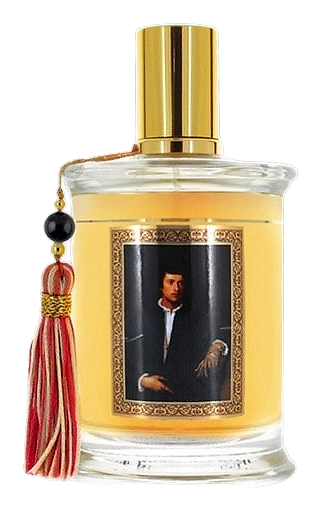
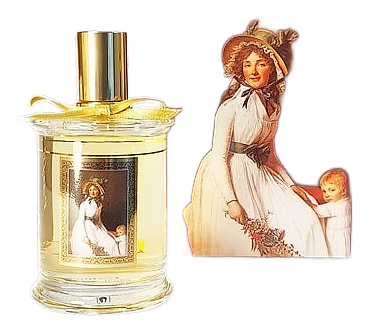
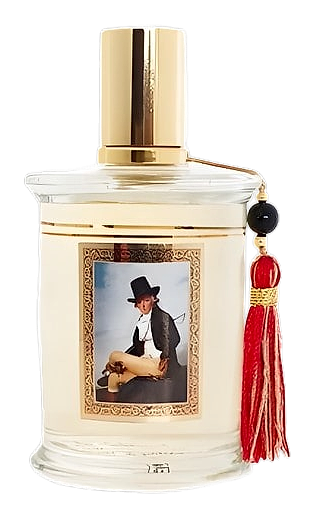
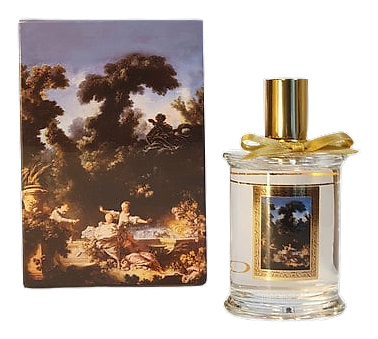
Parfums MDCI is a French niche house that treats fragrance as a form of fine art. Founded in Paris by Claude Marchal, the brand blends classical references with modern olfactory techniques. Its catalogue includes Chypre Palatin, Invasion Barbare and Cuir Cavalier, each designed to evoke a specific historical moment or cultural motif. MDCI’s bottles often feature sculptural lines and a restrained palette, reinforcing the house’s commitment to understated elegance.
Heritage
Claude Marchal launched Parfums MDCI in 2003 after a career in graphic design and a lifelong fascination with museum collections. The name MDCI expands to Marchal Dessins et Créations Indépendantes, reflecting his dual interests in visual art and independent creation. Early on, Marchal partnered with master perfumer Pierre Bourdon, whose first collaboration, Ambre Topkapi, appeared in 2007 and set a tone of rich, historically inspired compositions. Over the next decade the house released a series of fragrances that reference specific eras, such as Enlevement au Serail (2006) which nods to Ottoman court music, and La Belle Helene (2011) that draws on the mythic beauty of ancient Greece. In 2015, Les Indes Galantes arrived, celebrating the exoticism of 18th‑century French opera. The brand continued to expand its narrative scope with Cuir Cavalier (2019) and L’Aimée (2020), each exploring themes of chivalry and romantic devotion. Throughout its history MDCI has remained privately owned, allowing it to pursue projects without the pressure of mass‑market sales targets. The house’s archives show a steady output of limited‑edition releases, often accompanied by detailed scent‑charts that map the fragrance’s evolution over time. By 2022 the brand celebrated its 20th anniversary with a retrospective exhibition in Paris, showcasing original sketches, bottle prototypes and vintage fragrance samples, underscoring its commitment to preserving perfume as cultural heritage.
Craftsmanship
Production at MDCI follows a meticulous, small‑batch model. After the narrative brief is approved, the perfumer selects raw materials that align with the historical period being evoked. Natural extracts such as Turkish rose, Indian sandalwood and Moroccan ambergris substitutes are often sourced from suppliers with long‑standing trade relationships, ensuring consistency and ethical standards. The house works with independent laboratories in Grasse, where the blending process is monitored by both the perfumer and a quality‑control specialist. Each batch undergoes a series of stability tests, including temperature cycling and light exposure, to guarantee that the scent remains true over years of storage. Bottles are hand‑blown in France, and the caps are machined from brass or aluminum, then finished with a matte or polished coating depending on the fragrance’s aesthetic. Labels are printed on heavyweight paper using archival inks, a nod to the brand’s archival mindset. Before release, a small panel of scent historians and long‑term collectors evaluates the fragrance for authenticity to the intended era, providing feedback that may lead to minor adjustments in the formula. This collaborative loop between artistic research, material sourcing, and technical refinement defines MDCI’s commitment to quality.
Design Language
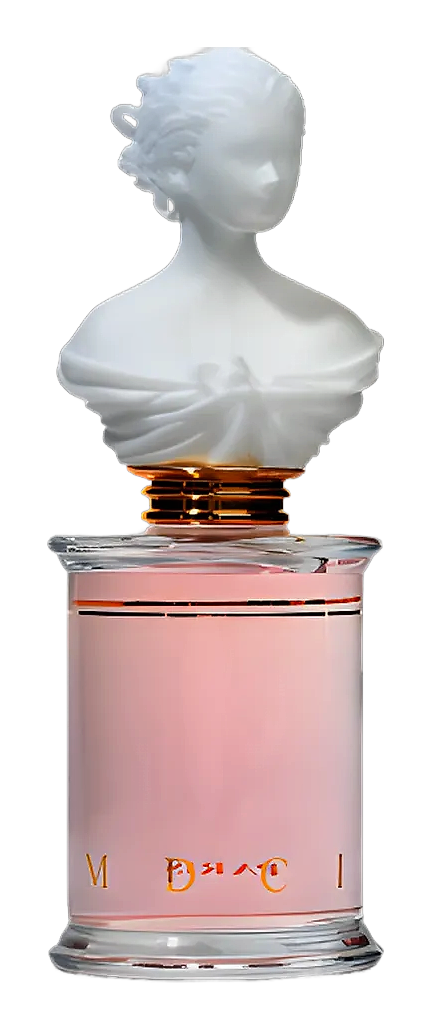
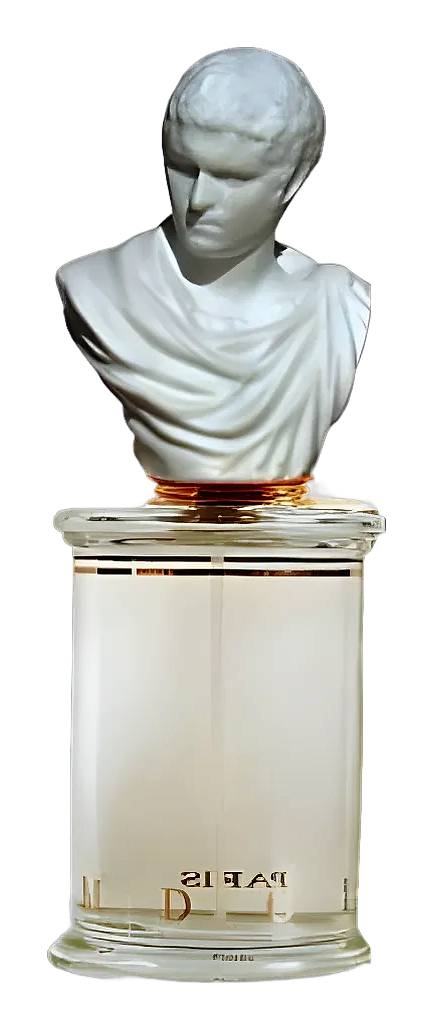
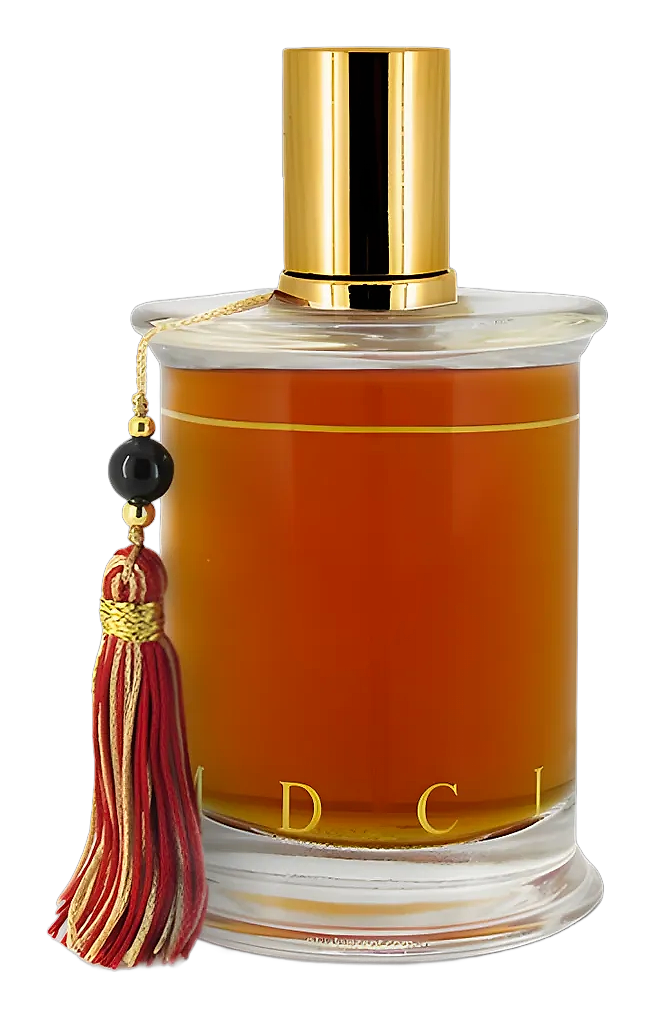
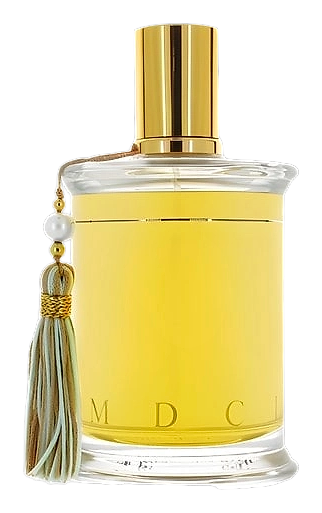
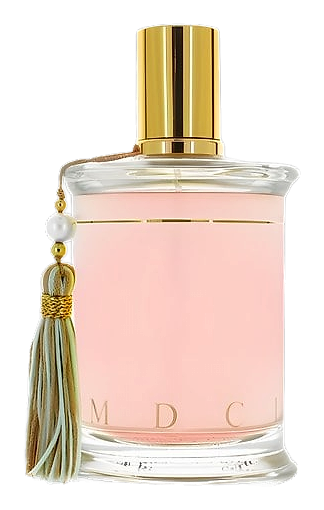
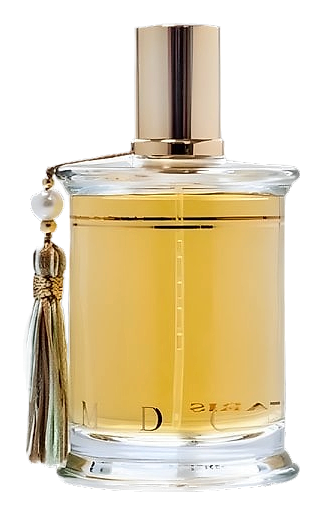
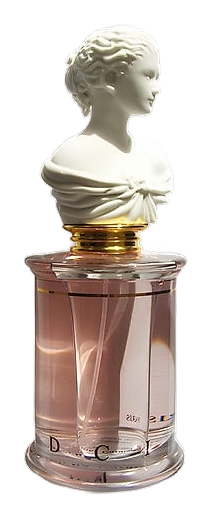
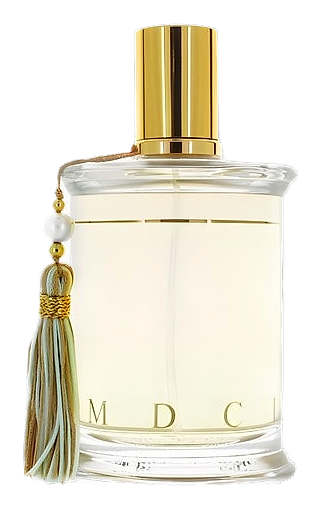
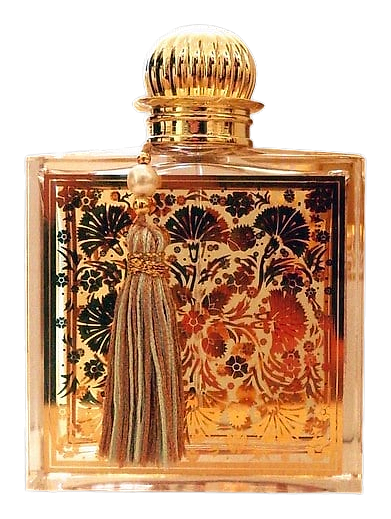
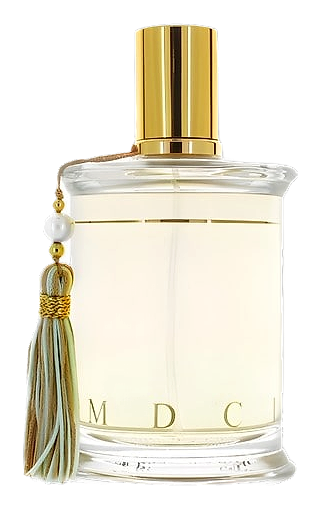
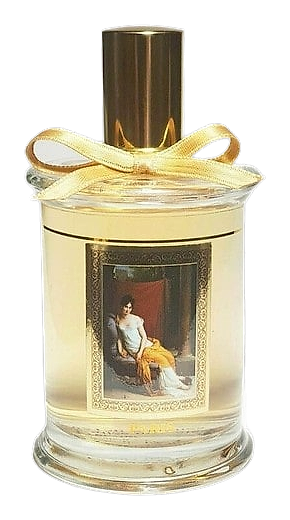
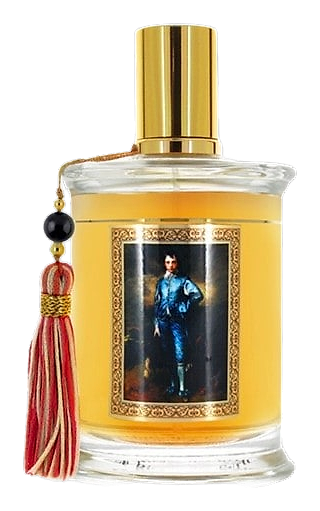
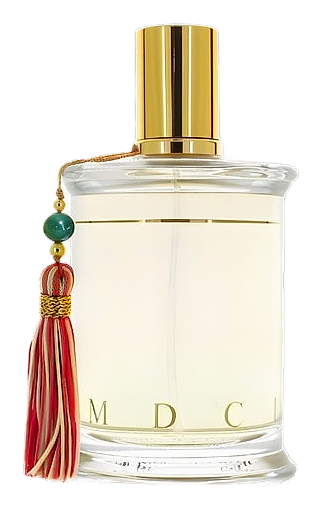
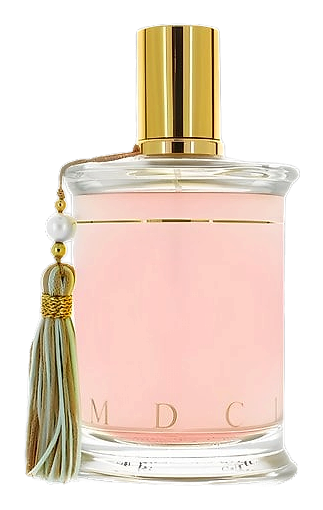
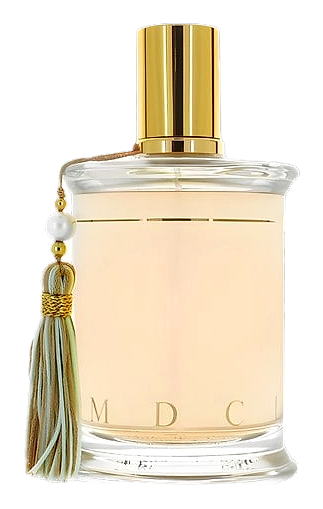
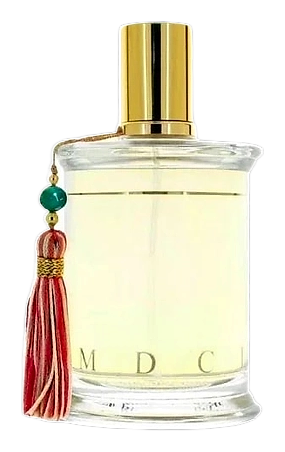
Visually, MDCI adopts a restrained, museum‑like presentation. Bottles are typically cylindrical or slightly tapered, crafted from clear or frosted glass that showcases the liquid’s hue. The design language favors subtle embossing, often echoing motifs from the fragrance’s narrative – for example, a faint laurel leaf on the cap of Cuir Cavalier or a delicate filigree pattern on the shoulder of Les Indes Galantes. Color palettes are muted: deep amber, soft ivory, or a muted teal, allowing the scent to speak rather than the packaging. Typography is clean, using a serif font that suggests a classic catalogue. Marketing materials feature black‑and‑white photography of historical artworks, architectural details or archival documents, reinforcing the house’s scholarly angle. The brand’s website mirrors this aesthetic, with ample white space, high‑resolution images of the bottles, and concise text blocks that read like exhibition labels. This visual restraint aligns with MDCI’s philosophy of letting the perfume’s story take center stage.
Philosophy
MDCI’s creative vision places history and visual culture at the core of scent design. The house believes that a perfume should tell a story as clearly as a painting or a piece of music, and it approaches each launch as a research project. Fragrances are built around a central narrative – a battle, a love affair, an artistic movement – and the olfactory structure is meant to echo that plot. The brand values craftsmanship, transparency and a respect for raw materials, insisting that each ingredient be sourced with an eye toward authenticity. MDCI also emphasizes education; many of its releases are accompanied by essays that explain the historical references and the role of each note. This approach aims to engage collectors who appreciate both the sensory experience and the intellectual context behind a fragrance. The house avoids trend‑driven releases, preferring instead to explore under‑represented periods and cultural motifs, thereby expanding the vocabulary of modern perfumery.
Key Milestones
2003
Claude Marchan establishes Parfums MDCI in Paris, naming the house after his design studio.
2007
Launch of Ambre Topkapi, the first fragrance created with master perfumer Pierre Bourdon.
2011
Release of La Belle Helene, a scent inspired by ancient Greek mythology.
2015
Les Indes Galantes arrives, celebrating the exoticism of 18th‑century French opera.
2019
Cuir Cavalier debuts, exploring themes of chivalry and equestrian heritage.
2022
MDCI marks its 20th anniversary with a retrospective exhibition in Paris showcasing original sketches and vintage bottles.
At a Glance
Brand profile snapshot
Origin
France
Founded
2003
Heritage
23
Years active
Collection
3
Fragrances released
Avg Rating
4.3
Community sentiment
Release Rhythm


