The Story
Why it exists.
The beginning
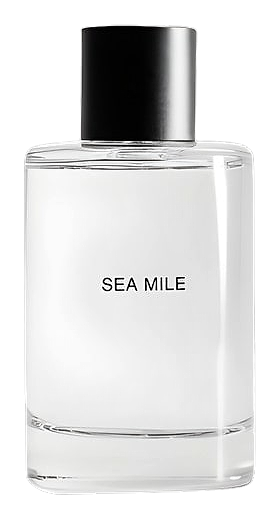
Sea Mile landed with the quiet confidence Massimo Dutti brings to everything: no announcement, no fanfare, just another carefully considered addition to a fragrance portfolio built over time. The name suggests distance covered over water, a journey measured in salt air and arriving at something clean. Fabrice Pellegrin composed it, and the work has the hallmarks of a perfumer who treats raw materials as architecture rather than decoration. For Massimo Dutti, a house that grew from clothing into a broader lifestyle, fragrance was always an extension of the same wardrobe philosophy: pieces that read as effortless, tailored, and designed to travel well. Sea Mile reads like a linen shirt worn half-unbuttoned on a warm afternoon. It's not trying to impress.
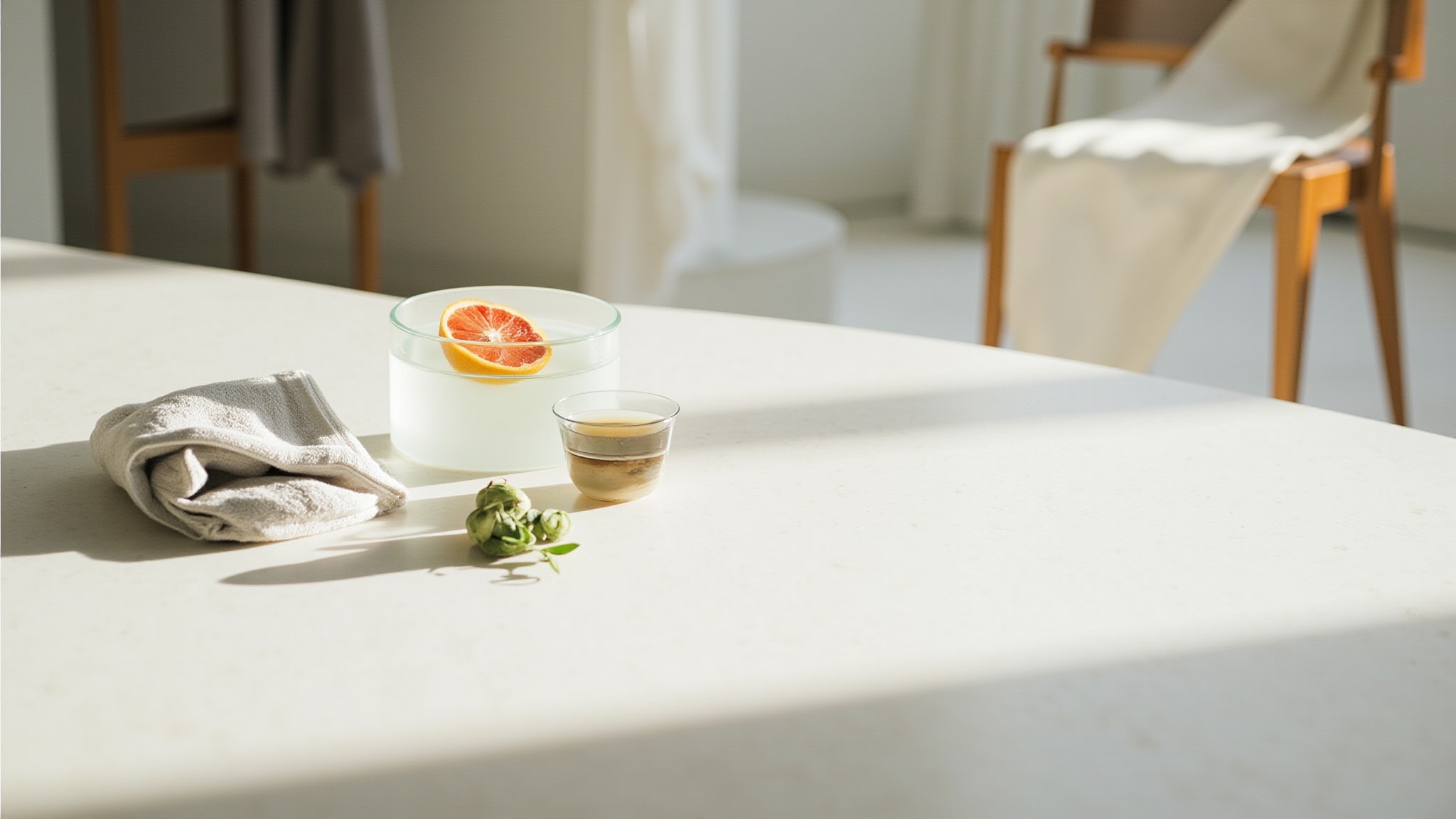
What makes this composition distinctive is the interplay between ice and warmth, a conversation between two temperatures that shouldn't work together but do. The opening pulls from bergamot, cardamom, and aquatic accords that read almost glacial, a deliberate frost that prickles at the back of the nose. Then white tea and freesia soften the chill into something more breathable, the way a cool morning gradually surrenders to midday sun.
The evolution
The opening is the coldest the fragrance will ever be, and that frozen clarity hits immediately. Bergamot cuts through with a fizzy, almost effervescent brightness, the kind of citrus that sparkles rather than shouts, while cardamom adds a peppery shimmer underneath, like light catching the edge of a blade. Aquatic notes give the composition that washed-clean quality, almost like rain on hot pavement, or the mineral scent of cold water evaporating off sun-warmed stone. The first breath is bracing, awake, the olfactory equivalent of stepping into a cool room. Then something shifts, almost imperceptibly, as the temperature begins to rise. White tea arrives, quiet and slightly green, and freesia brings a soft petal texture that rounds out the sharpness, replacing the opening's bite with something gentler and more diffuse.
Cultural impact
Sea Mile sits within a broader moment in perfumery where aquatic and marine-coded compositions have become some of the most widely explored families in modern fragrance. Clean, watery scents moved from niche curiosity to mainstream fixture over the past decade, and Sea Mile is part of that wave, though it approaches the category with a notably understated hand. Rather than leaning into overt synthetic calone or aggressive blue notes, the composition keeps its marine character subtle, more suggestion than declaration.