The Story
Why it exists.
The beginning
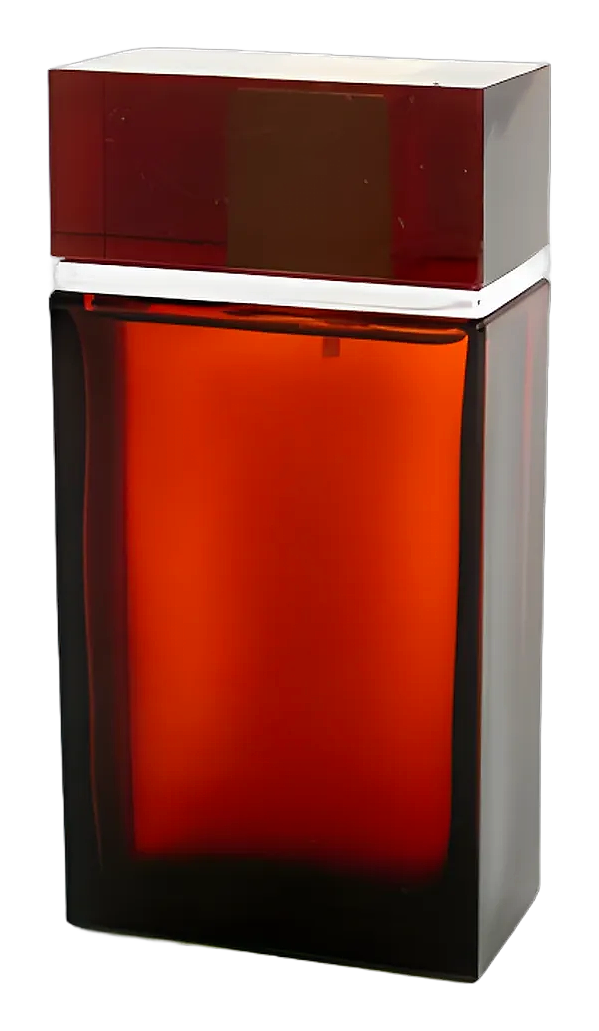
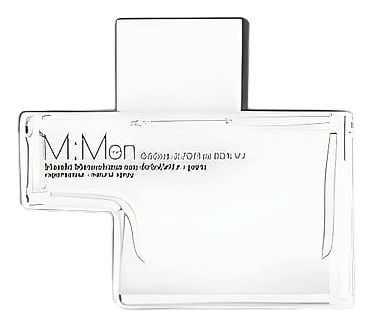
M; Men arrived in 2006 as part of Masaki Matsushima's ongoing conversation between Tokyo design culture and French perfumery. The brief was simple: create a masculine scent that doesn't announce itself. Perfumer Jean Jacques answered with something that opens bright and spends the rest of its life being quietly excellent. The name M; Men suggests ambiguity, not quite a statement, more like a marker. A reference point without a fixed address. This is a fragrance that exists in the space between things: between citrus and green, between fresh and woody, between the morning and whatever comes next.
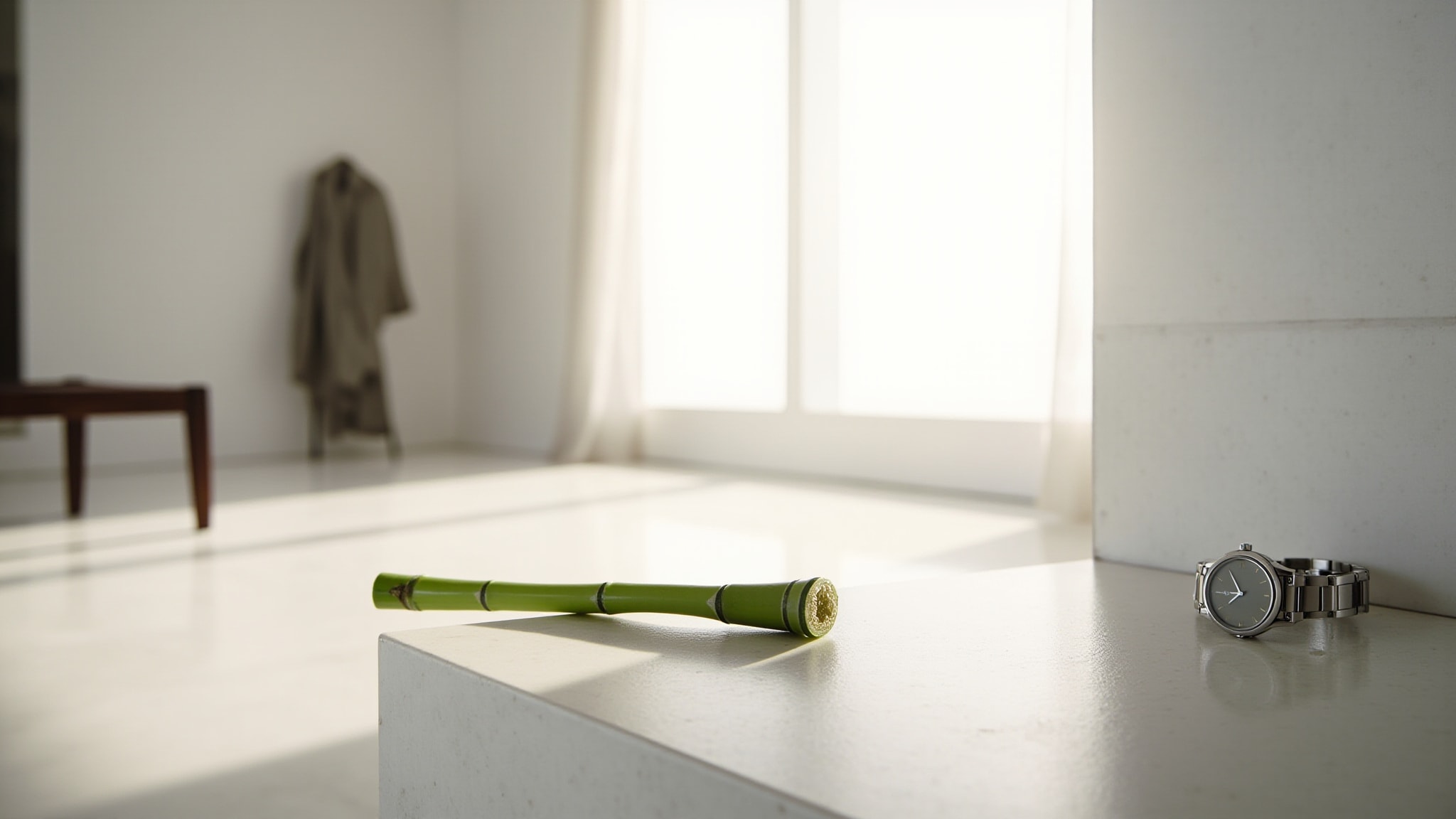
What makes M; Men unusual is the white tea. It sits in the heart alongside bamboo and vetiver, softening edges that sharper compositions would leave exposed. The citrus doesn't crackle, it rolls. Rosemary adds an herbal lift that keeps the lemon and grapefruit from going sweet. Down at the base, nutmeg provides warmth without weight, and musk keeps everything close to the skin where it belongs. The powdery quality that reviewers mention isn't baby powder, it's the scent of something clean and considered. This is what happens when restraint becomes the point.
The evolution
The opening is all clarity, citrus oils hitting the skin with rosemary's green herbal lift. For the first twenty minutes, this smells like a concept rather than a perfume. Then the heart takes over. Bamboo and white tea arrive together, their green-water quality diluting the brightness into something softer. Vetiver adds earthy depth without going heavy. The transition is smooth but noticeable, like a room getting quieter when someone leaves. By hour three, the base notes arrive: nutmeg's warm spice against clean musk. This is the longest phase, the one that earns the longevity rating. It stays close, intimate, a skin-warm quality rather than projected presence. By hour six, only the musk and a ghost of vetiver remain, enough for someone standing very close to notice.
Cultural impact
M; Men occupies a particular corner of masculine fragrance culture, the one reserved for compositions that whisper rather than shout. Released in 2006, it arrived during a period when men's fragrances leaned toward aquatic fougères and aggressive ambers. Its quiet confidence reads differently now: as a statement about what restraint can accomplish. Community reception centers on its powdery softness and its ability to smell expensive without trying. Some users note it lacks the projection expected of a daytime scent. Others find that its moderate sillage is exactly the point.