The Story
Why it exists.
The beginning
Tragedy Oil began as theater. Marissa Zappas created it in 2023 as a scent adaptation of Ruby McCollister's one-woman show, "Tragedy," an autobiographical performance about growing up inside a Los Angeles theater haunted by tragic actresses and the ghosts of the women who came before. McCollister performed the piece in Los Angeles, New York, and most recently Edinburgh, and the fragrance translates that haunted-house-in-a-playhouse feeling into something wearable. A collaboration rooted in shared reverence for the tragic archetype, it carries the emotional weight of that stage-lit longing, the kind that lingers in the wings long after the house lights come up.
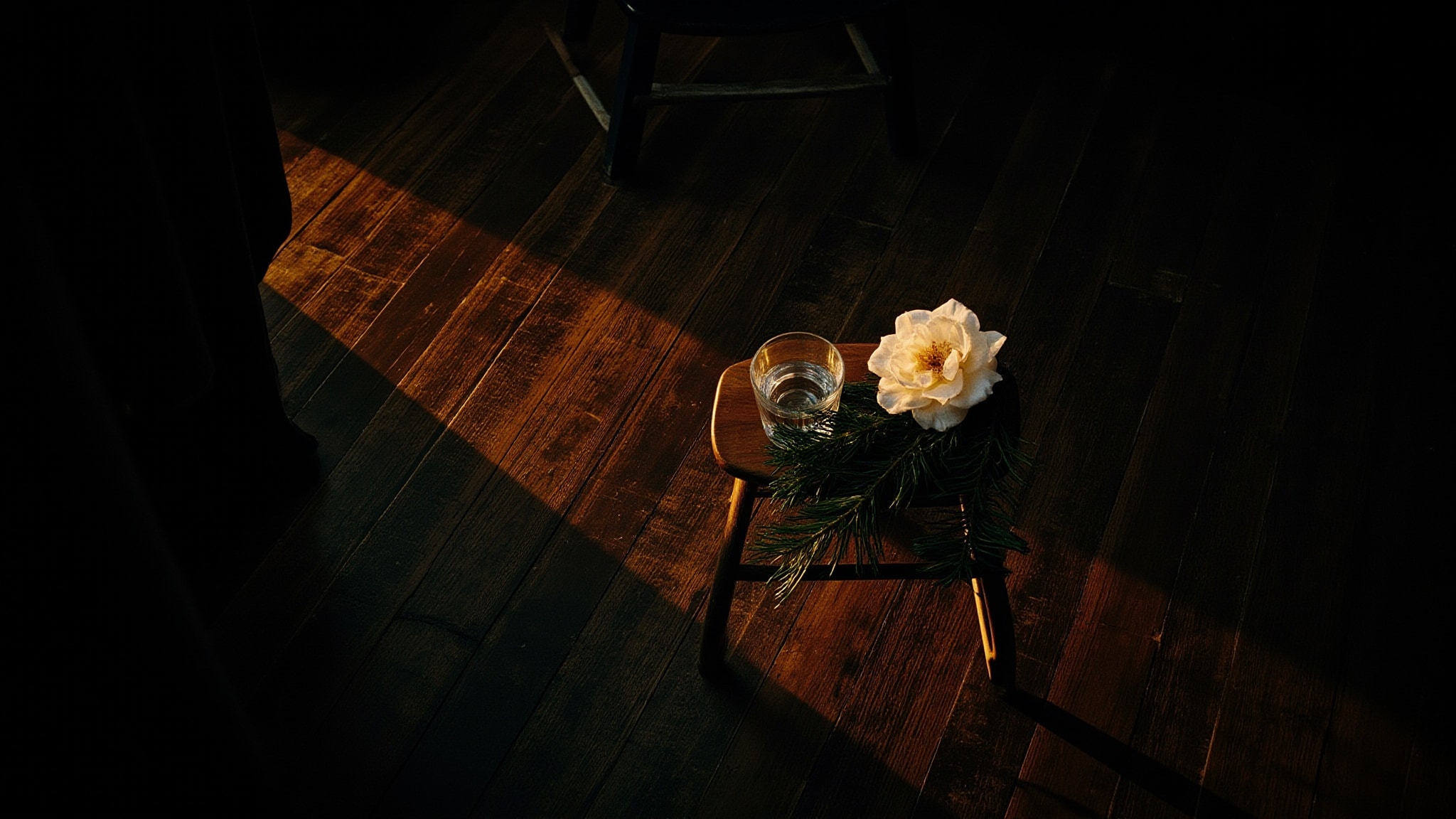
The composition is a deliberate tribute to hyper-feminine white floral perfumes of a bygone era, but it doesn't quote them so much as haunt them from one room over. Tuberose runs the whole show, dense and narcotic, but the unusual partner is fir balsam, that coniferous green snap that grounds the florals with something darker, woodier, more earthen. Orange blossom softens the edges. Oakmoss and sandalwood build a basement. The result is a white floral with a conifer spine, which is not how most white florals are built.
The evolution
Fir balsam arrives first, not as a Christmas tree but as the smell of resin seeping through old wood backstage. Cold, green, slightly bitter. The tuberose rises through it like smoke through a gap in the curtain, narcotic and almost waxy, and the fir starts to fold underneath rather than lead. Orange blossom appears next, quieter than expected, lending a sun-warmed edge to the bloom so it doesn't read as funereal. The oakmoss and sandalwood settle into a dry, mossy floor that grounds the whole composition and gives it gravity. After that, the tuberose never really leaves. It just changes clothes. The conifer note fades to a faint resin trace as the hours pass, but the oakmoss-sandalwood base stays put, and tuberose lingers on the skin like warmth left behind by a body that just left the room. It's an intimate scent overall.
Cultural impact
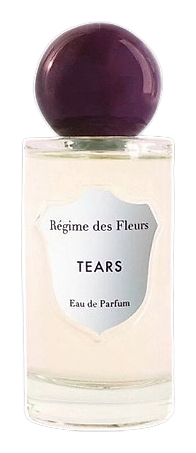
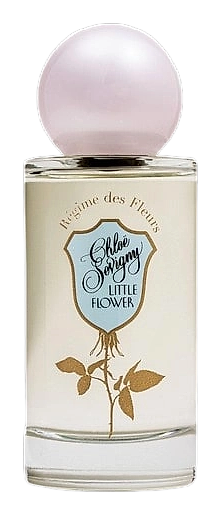
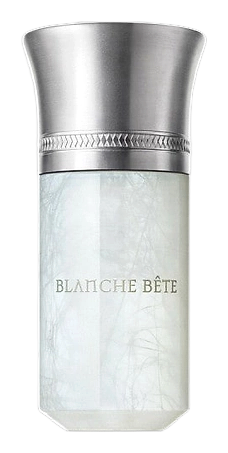
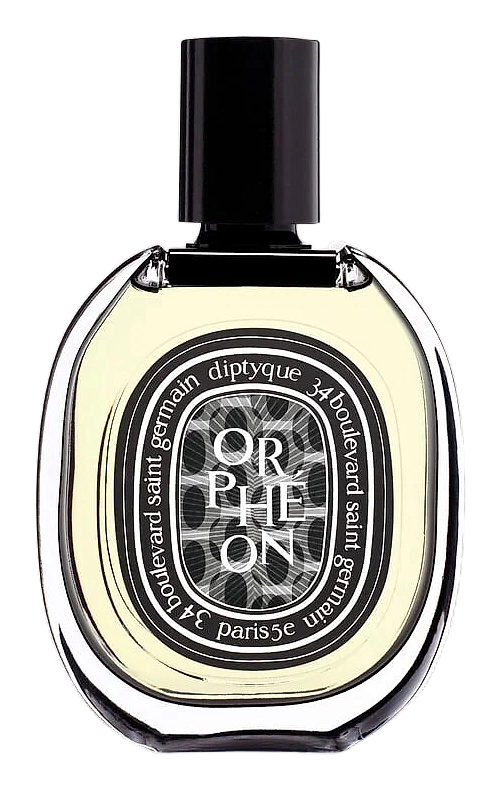
Tragedy Oil sits in conversation with white-floral heavyweights like Robert Piguet's Fracas and the melancholic mood pieces of houses like Regime des Fleurs and Etat Libre d'Orange. It enters that lineage not by replicating their sweetness or their volume, but by introducing something stranger, a coniferous green thread that winds through the narcotic florals and pulls them somewhere new. Where those older references lean into glamour and indulgence, Tragedy Oil brings a haunted, almost funereal quality that recalls the tragic heroines who inspired its source material.