The Story
Why it exists.
The beginning
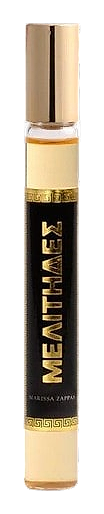
Marissa Zappas named Melitodes after Persephone's secret epithet, the honeyed one. An old nickname, passed down through ancient hymns, for the goddess suspended between light and shadow, sweetness and the underworld. Honey has always belonged to her: part portal, part lure. The name alone conjures a duality that lives at the heart of the composition itself. Sweetness that pulls you in, a shadow that keeps you honest. Zappas built the scent around that single thread, stretching it across the full arc of a mythological figure who never sits still. It's a 2025 release that asks the wearer to hold contradiction in their skin: the nectar and the dark, the blossom and the root, the moment Persephone eats the seed and the centuries that follow.
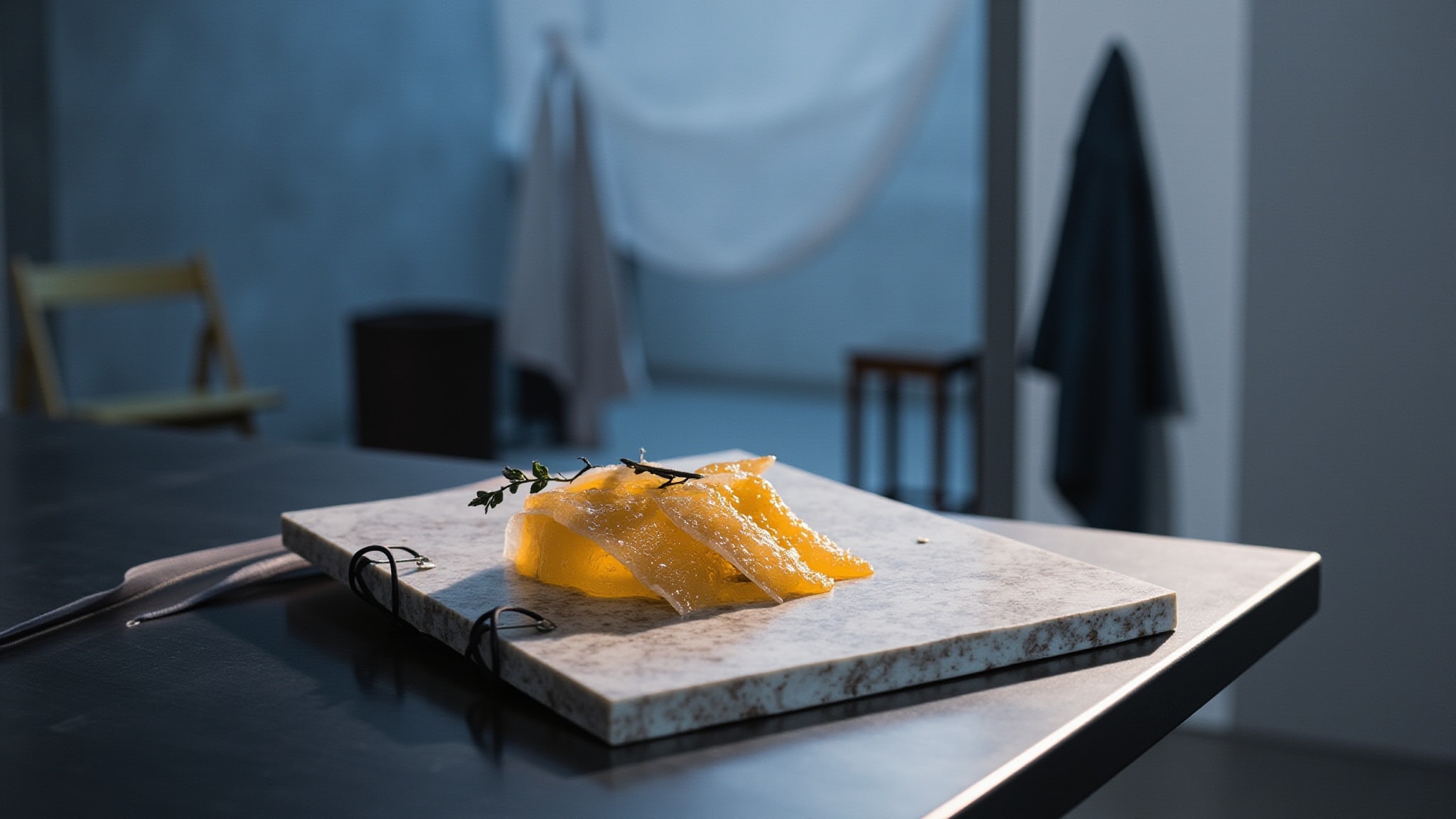
What makes Melitodes work is the refusal to let honey be honey. Most honeyed fragrances lean syrupy, candied, dessert-coded. Zappas pulls the note backward, toward the comb, toward the field, toward the wild herbs growing at the edges. Wild thyme does the heavy lifting. It's aromatic and a little austere, cutting sweetness open the way rosemary cuts through a heavy meal. The pairing isn't accidental. Thyme and honey belong together botanically. Zappas just let them speak in their own language instead of dressing them up.
The evolution
The opening is the loudest part. Honey arrives full, almost aggressive, with the green bite of wild thyme threading through it. Not candied honey. Comb honey, raw, with something living still in it. The thyme cuts through with sharp, herbal clarity, bright enough to make your nose twitch. Then the thyme begins to soften, its sharpness pulling back toward the skin while the honey rounds out into something warmer, deeper, less green. As the composition settles, orris begins its slow takeover. Powdery, rooty, slightly earthy, it wraps around the remaining sweetness like dust settling on warm wood. The transition feels less like a handoff and more like a slow dimming, one note becoming the ground for the next. What eventually remains is musk and orris: soft, intimate, close to the body. The musk carries a faint sweetness, but it's the skin-scent kind, not the sugar kind.
Cultural impact
Melitodes has the kind of literary weight that makes a fragrance feel less like a product and more like a reference point. The Persephone myth gives the composition an anchor without tipping into preciousness: everyone knows the story, but the honeyed epithet is a lesser-told corner of it, a secret kept in the hymns. That makes the scent feel discovered rather than marketed, like something you stumbled into rather than something pitched at you. It's the kind of composition someone finds quietly and then refuses to stop talking about, the kind that gets described in fragments to friends who may never wear it themselves.