Wild Thyme
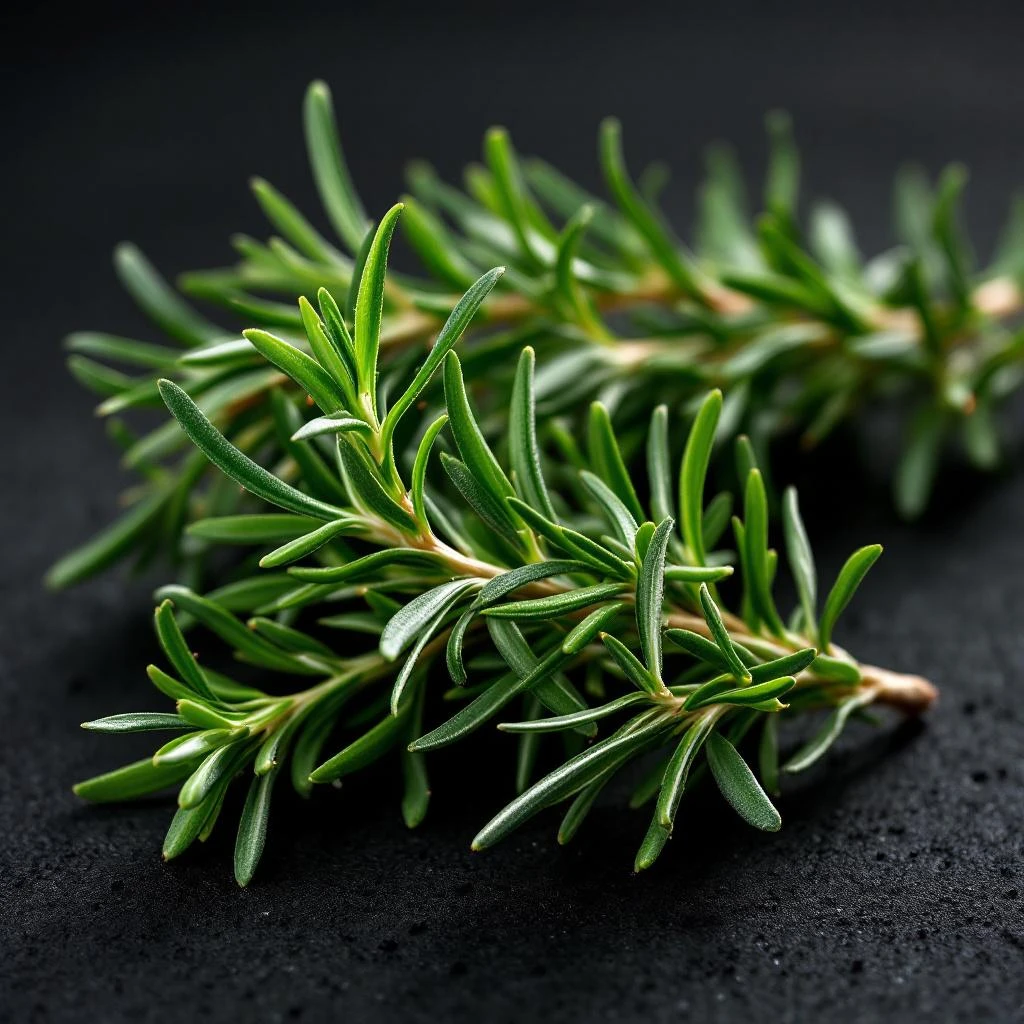
Wild Thyme delivers a distinctly herbaceous, slightly camphoraceous aroma with warm, earthy undertones and a faint honeyed sweetness. In perfumery, it functions as an evocative Mediterranean top note, lending fragrance compositions an aromatic freshness that bridges green and spiced dimensions. The oil blends particularly well with lavender, rosemary, and citrus materials.
Character
How it smells
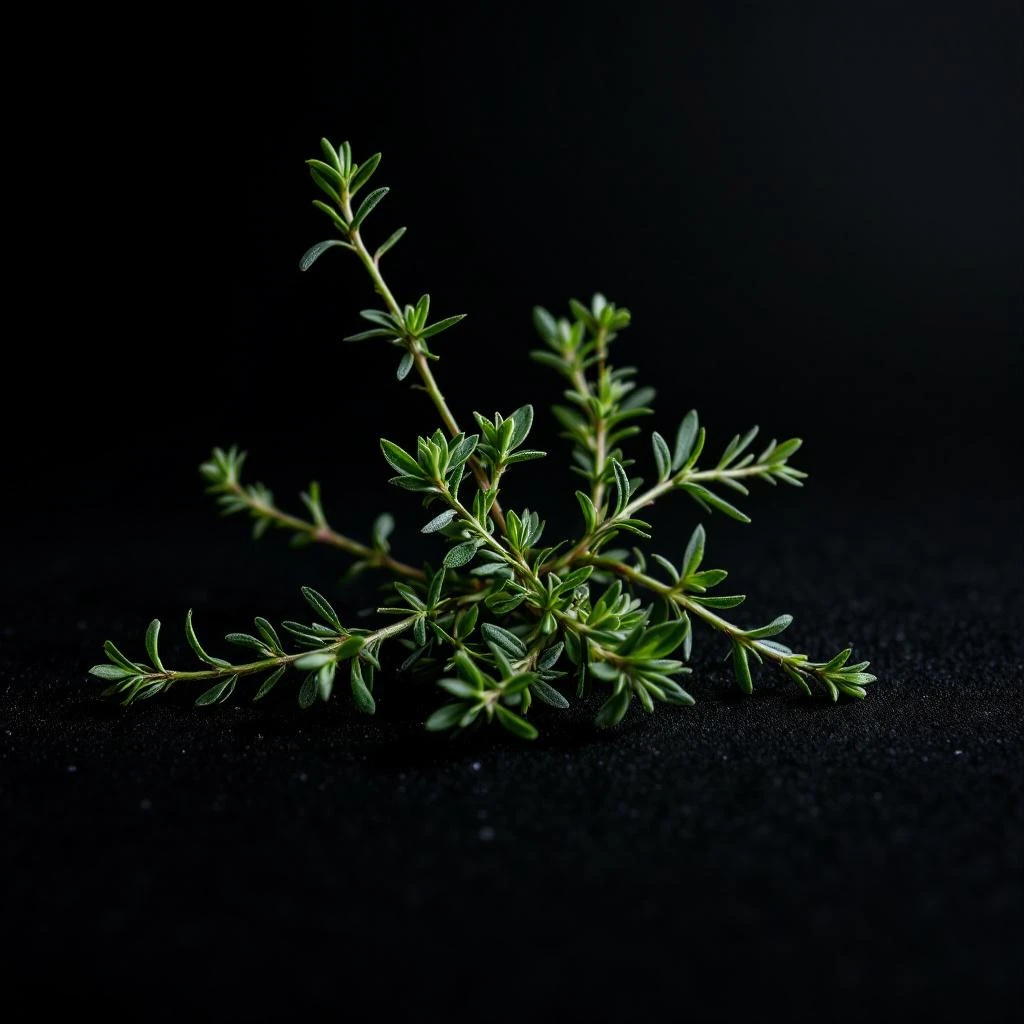
Sun-baked herbs from Mediterranean hillsides, captured in an ancient aroma.
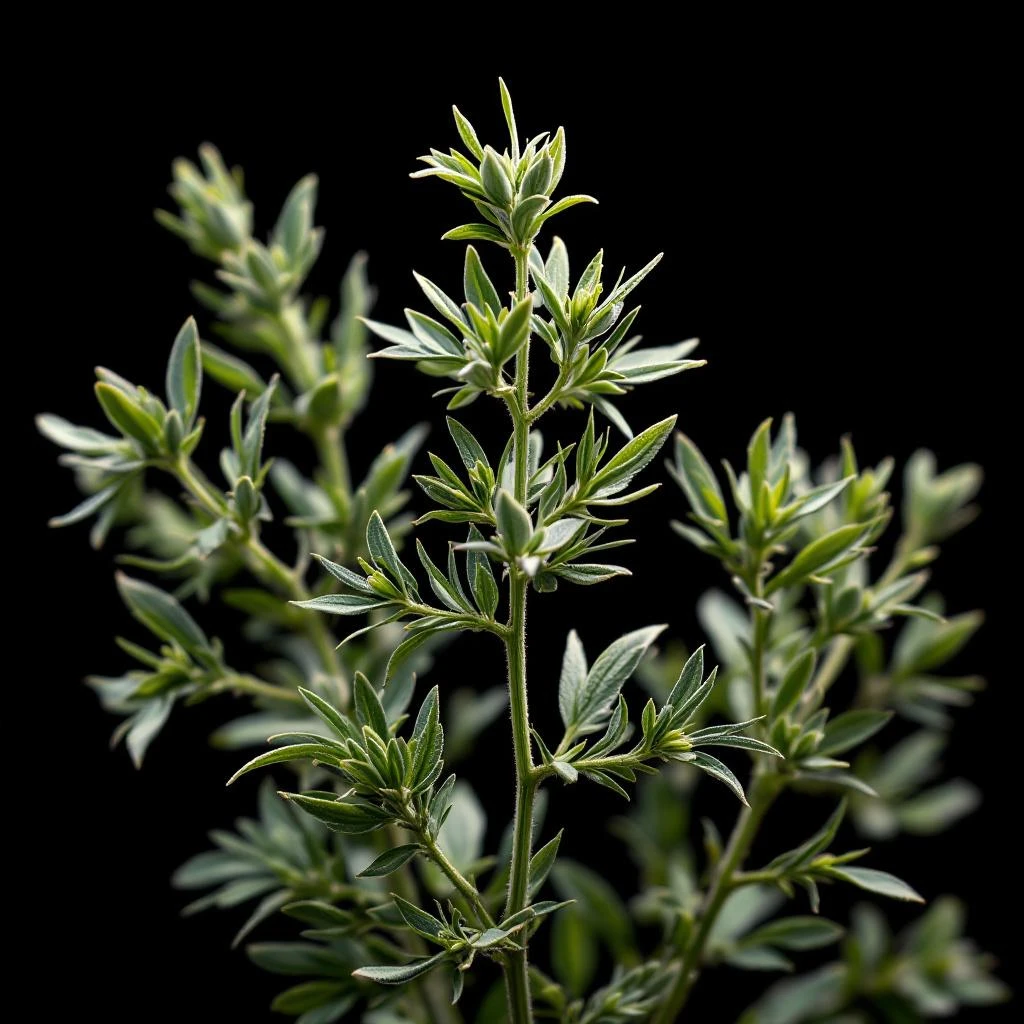
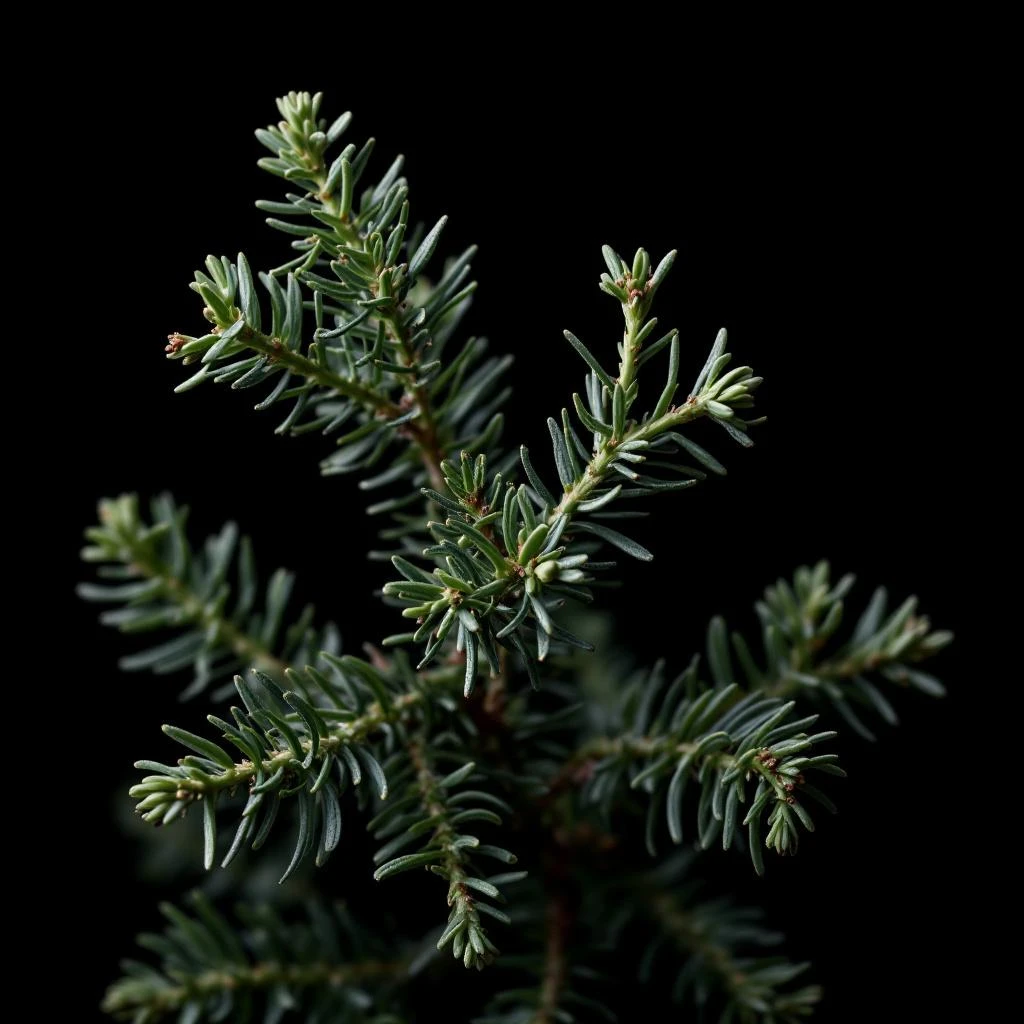
Thymus serpyllum spreads horizontally across rocky terrain rather than growing vertically, forming aromatic mats across alpine meadows that release fragrance when walked upon.


Origin
France
Wild Thyme has been woven into human tradition for thousands of years, with documented use dating to ancient Egyptian funeral ceremonies where it served ceremonial purposes. The Greek physician Hippocrates prescribed thyme preparations for respiratory and digestive ailments, while Roman soldiers associated the herb with courage, bathing in thyme-infused waters before battle.
Throughout medieval Europe, wild thyme gathered from meadow and hillside served as both culinary seasoning and protective talisman, hung above doorways to ward off illness. The plant's Latin epithet 'serpyllum' reflects its creeping growth habit, a naming convention that preserved traditional botanical knowledge across centuries of Mediterranean civilization.
Wears it best
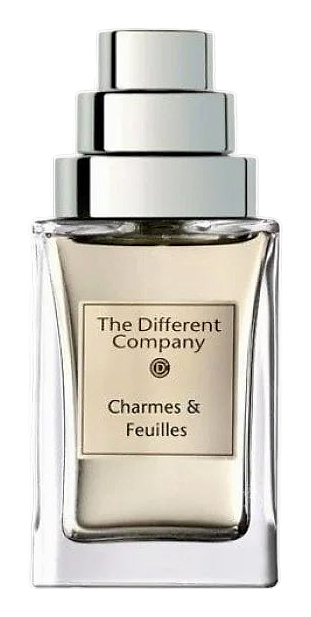
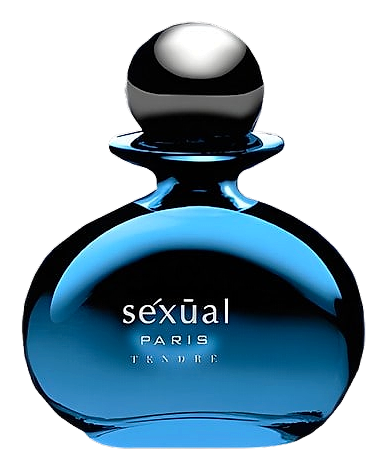
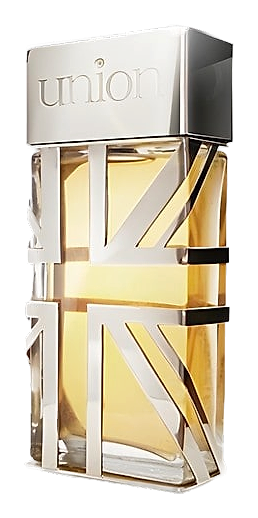
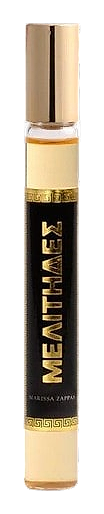
Fragrances featuring Wild Thyme

Brands
Brands known for Wild Thyme
Good to know
Questions, answered
The essentials on Wild Thyme in perfumery: how it smells, where it comes from, and how it behaves on skin.
What does Wild Thyme smell like in perfume?
Wild Thyme smells herbaceous and slightly camphoraceous, with warm earthy undertones and a subtle honeyed sweetness. It conveys Mediterranean summer, sun-warmed herbs, and a clean, slightly spiced mineral quality rarely found in other fragrance materials.
Why is Wild Thyme used in perfumery?
Wild Thyme adds aromatic freshness and Mediterranean authenticity to fragrance compositions. It serves as a natural bridge between green, herbal, and spiced scent families. The material also provides fragrance developers with a cost-effective means of introducing characteristic thyme character without relying solely on the more expensive Thymus vulgaris oil.
Is Wild Thyme in perfume natural or synthetic?
Wild Thyme available to fragrance manufacturers is primarily natural, extracted from Thymus serpyllum via steam distillation. Synthetically produced thymol or carvacrol may replicate certain aromatic facets, but these isolates lack the full complexity of the natural oil.
What famous perfumes contain Wild Thyme?
Wild Thyme appears in numerous aromatic and fougère fragrance structures, though it rarely dominates finished compositions. Major fragrance houses have incorporated it in formulations where herbal, sun-dried herb accords form part of the overall creative vision, particularly in masculine and unisex秋冬 releases.
Is Wild Thyme a top note, heart note, or base note?
Wild Thyme functions primarily as a top-to-heart note material in perfumery. Its aromatic molecules evaporate at a moderate rate, lasting two to four hours on a fragrance strip. This intermediate volatility makes it versatile for constructing both opening impressions and bridging herbal heart accords.
What notes pair well with Wild Thyme in perfume?
Wild Thyme pairs naturally with lavender, rosemary, clary sage, and other Mediterranean herbs. It complements citrus materials like bergamot and lemon, woody elements such as vetiver and cedar, and warm spiced notes including cardamom and black pepper. These pairings reinforce its natural habitat associations.
Where does Wild Thyme come from?
Wild Thyme (Thymus serpyllum) originates from the Palearctic realm spanning Eurasia and North Africa. Primary production regions include France, Spain, Albania, and Yugoslavia, where the plant grows wild in dry, rocky, sun-exposed Mediterranean landscapes at elevations between 300 and 2,500 meters.
Is Wild Thyme used in men's or women's fragrances?
Wild Thyme appears across masculine, feminine, and unisex fragrances without strong gender bias. The material reads as generally gender-neutral because it evokes shared experiences like Mediterranean summers and outdoor landscapes. Fragrance gendering typically depends more on surrounding materials than on herbal note selection.