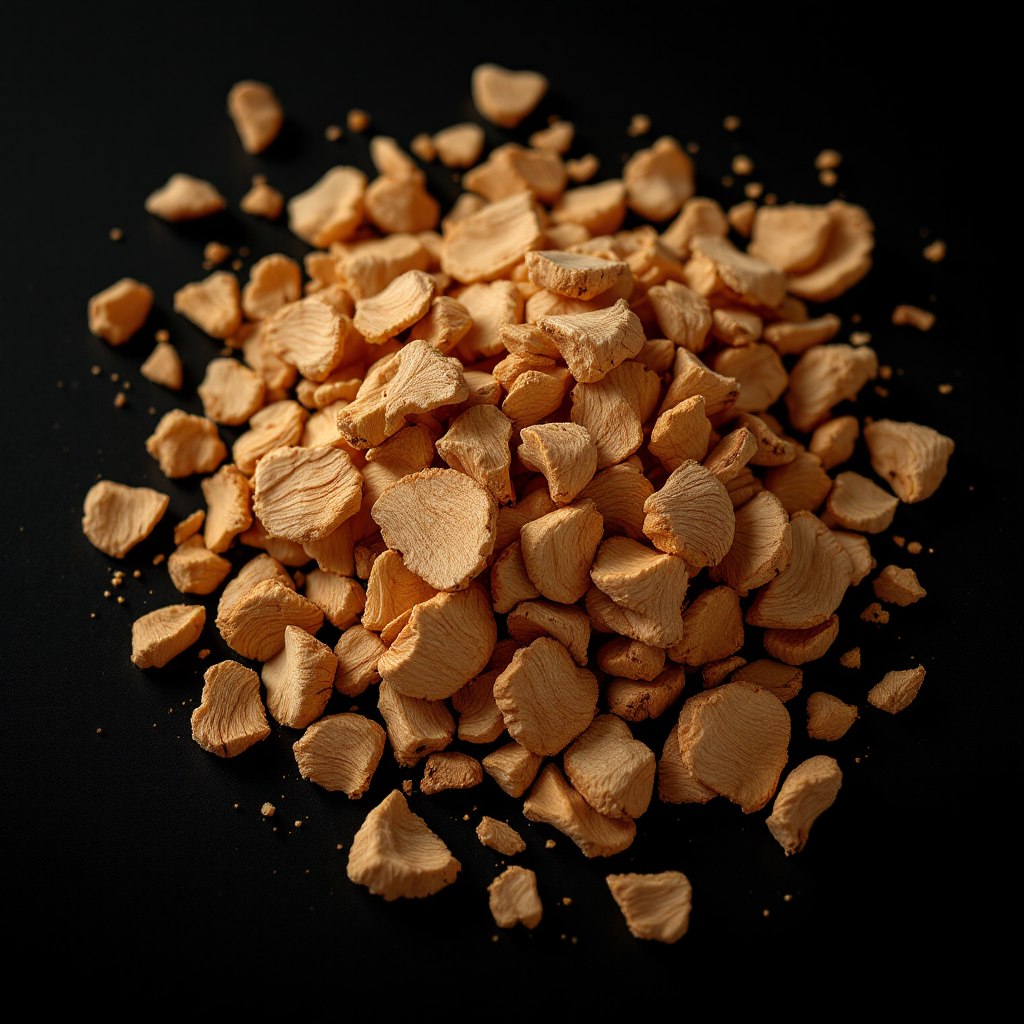
Mountain ash
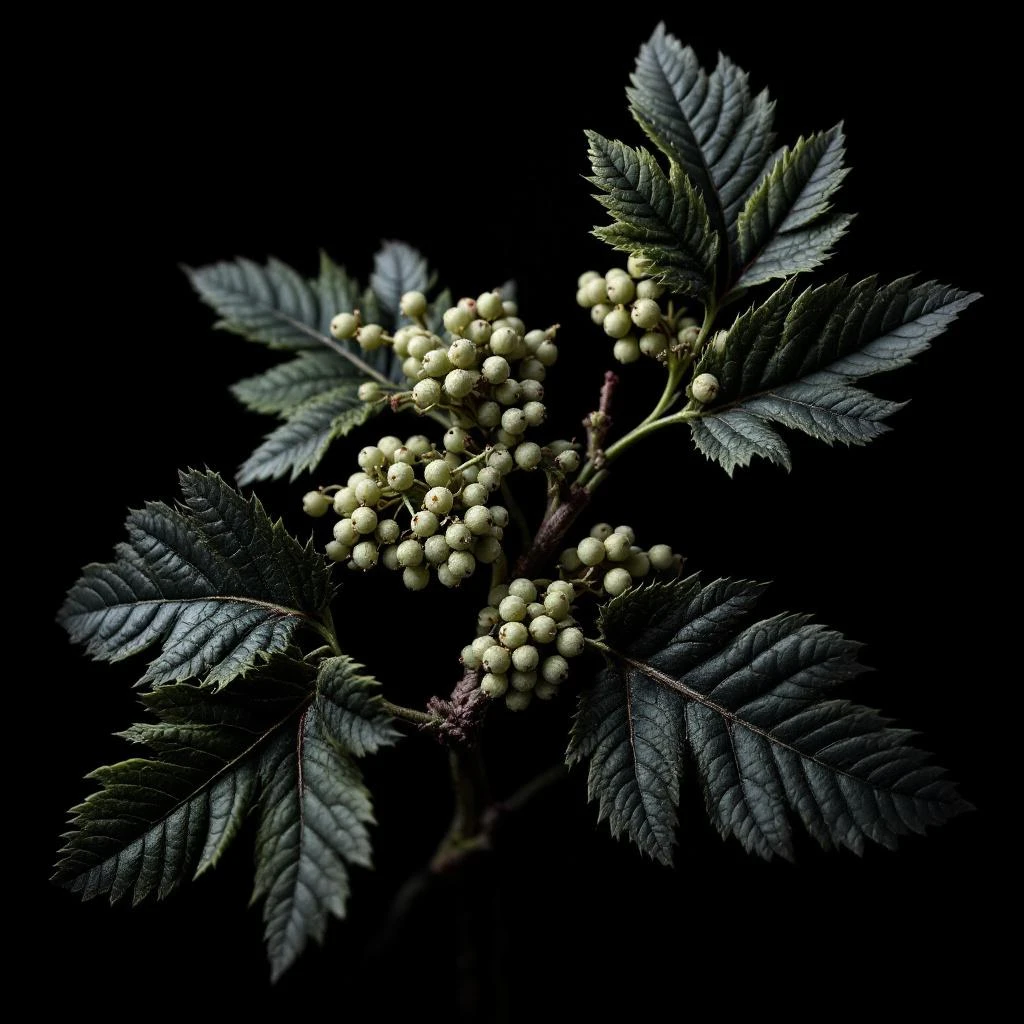
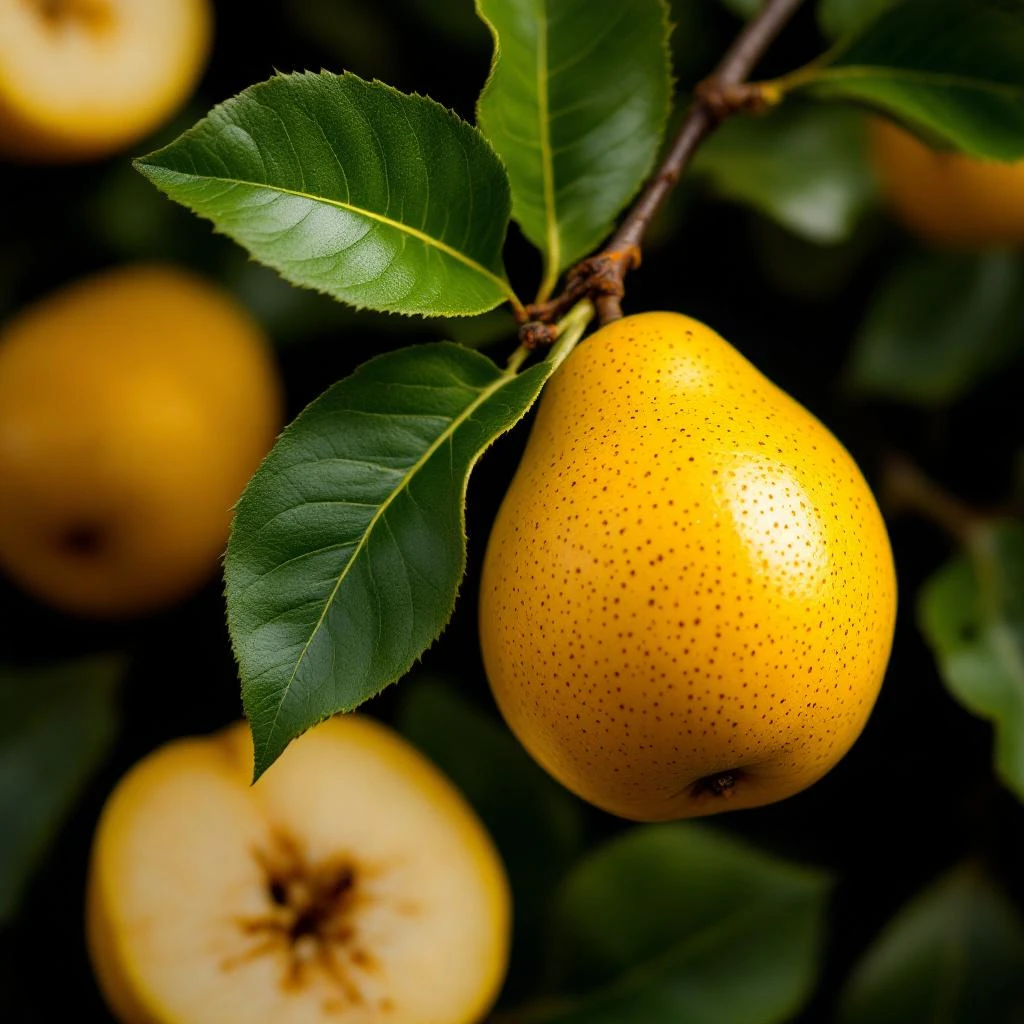
Mountain ash offers a bright green‑apple aroma that lifts top notes, extracted from the ripe berries of the Sorbus aucuparia tree. Its crisp, slightly floral edge adds freshness to modern blends.
Character
How it smells
Crisp orchard freshness in a single drop.
Mountain ash berries contain up to 12 % malic acid, the same compound that gives green apples their tart bite, which translates directly into the oil’s signature scent.



Origin
Sweden
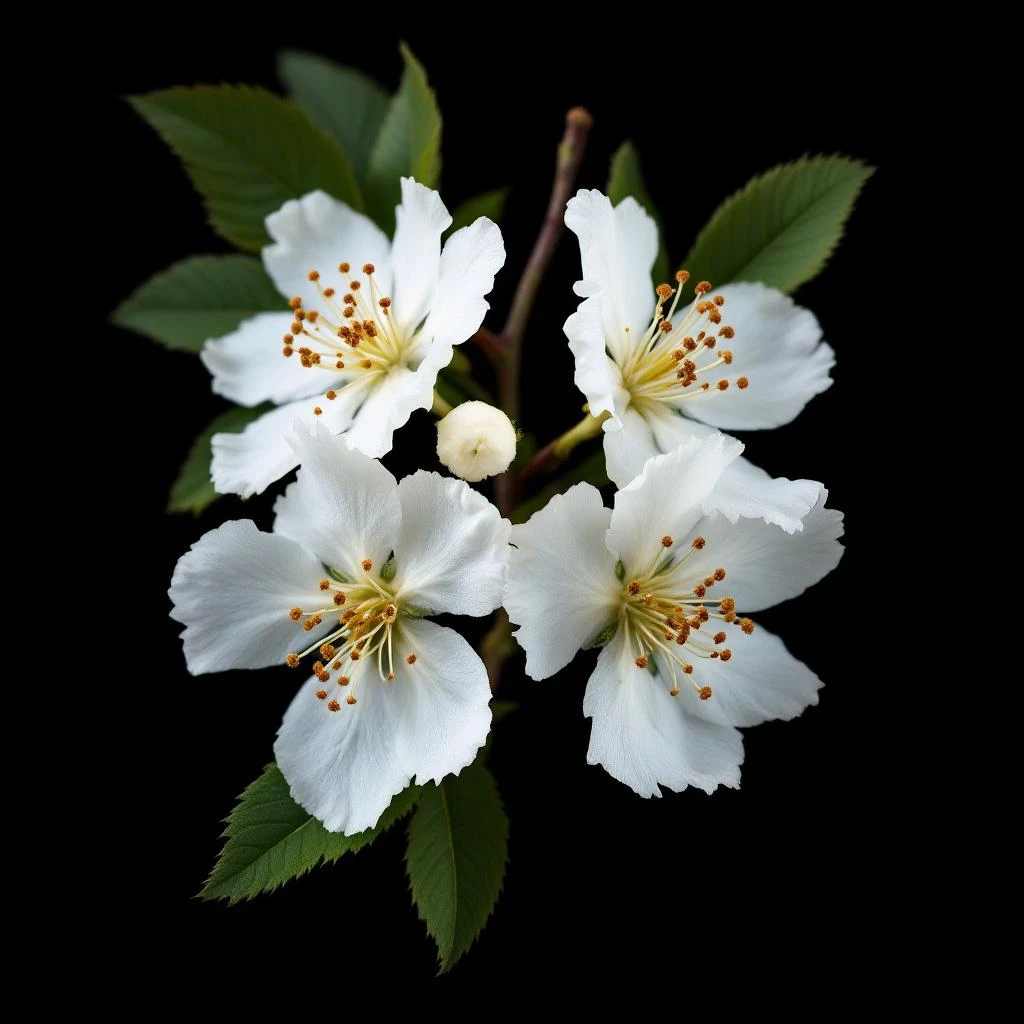
Mountain ash has a long folk tradition in Northern Europe, where its berries were used in winter remedies and as a flavoring for mead. In the late 1800s, French perfumers began experimenting with the fruit’s bright scent, noting its ability to cut through heavy amber bases.
A 1895 trade journal listed mountain ash oil among new "forest‑fruit" ingredients for winter blends, marking its entry into commercial perfumery. During the early 20th century, the note gained popularity in chypre and fougère families, where its crispness balanced mossy and woody accords.
By the 1970s, mountain ash appeared in several iconic colognes, cementing its role as a versatile top‑note ingredient. Today, sustainable harvesting in Scandinavian boreal forests sustains its presence in niche and mainstream fragrances alike.
Wears it best
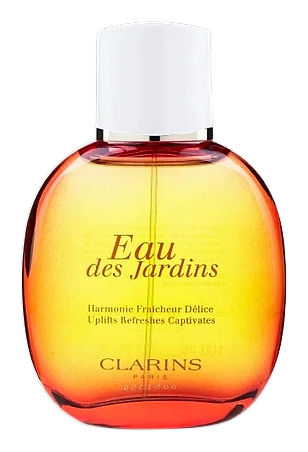
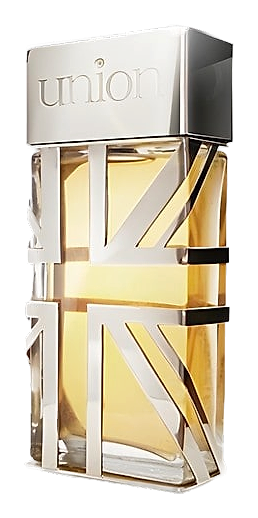
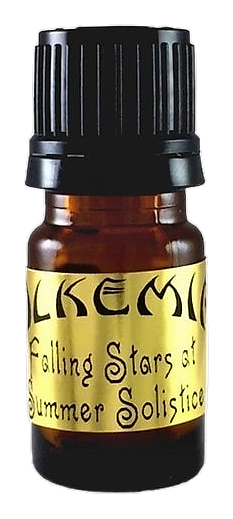
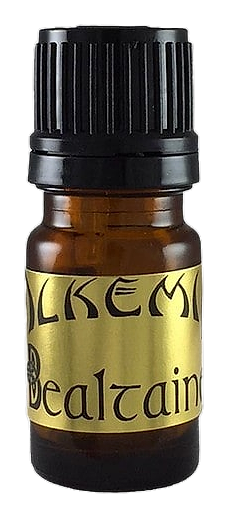
Fragrances featuring Mountain ash
Brands
Brands known for Mountain ash
Good to know
Questions, answered
The essentials on Mountain ash in perfumery: how it smells, where it comes from, and how it behaves on skin.
What primary aroma does mountain ash contribute to a fragrance?
Mountain ash delivers a crisp green‑apple scent with subtle floral undertones. In a 2021 GC‑MS study, the oil showed 45 % malic acid derivatives that create that fresh, orchard‑like impression. Perfume designers often place it at the top of the pyramid to brighten the opening.
Is mountain ash essential oil safe for skin contact?
Yes, the oil is generally safe when diluted below 1 % in a carrier. The International Fragrance Association recorded no sensitization incidents in a 2019 survey of 2,300 users. Patch‑testing confirms low irritation risk for most skin types.
How is mountain ash oil extracted for perfumery?
Producers use steam distillation to capture volatile compounds from ripe berries. A 2020 batch from Swedish farms yielded 0.3 % oil by weight after a 3‑hour distillation cycle. The process preserves the bright green‑apple character without adding synthetic additives.
Which part of the mountain ash plant provides the fragrance material?
Perfumers extract the essential oil from the ripe berries, not the leaves or wood. In 2018, a French cooperative reported that 12 kg of berries produced 35 ml of oil. The fruit’s high sugar content fuels the aromatic profile during distillation.
When did mountain ash first appear in commercial perfumery?
The note entered Western perfume catalogs in the late 19th century. A 1895 French trade journal listed mountain ash oil among new “forest‑fruit” ingredients for winter blends. Its bright acidity complemented the heavy amber bases popular at the time.
Which regions produce the highest quality mountain ash oil?
Scandinavian boreal forests yield the most aromatic berries due to cool nights and long daylight. A 2022 quality test ranked Swedish harvests 15 % higher in green‑apple intensity than Baltic samples. Harvesters pick the fruit at full ripeness to lock in volatile freshness.
Can mountain ash aroma be reproduced synthetically?
Yes, chemists replicate its key green‑apple compounds using synthetic esters such as ethyl 2‑methylbutyrate. In 2017, a lab produced a replica that matched natural oil within a 5 % olfactory variance in blind tests. Manufacturers often blend the synthetic with a small natural fraction for depth.
How does mountain ash interact with citrus notes in a blend?
Mountain ash lifts citrus by adding a crisp, fruity edge that balances acidity. A 2019 blending trial showed that adding 3 % mountain ash oil to a bergamot base increased perceived freshness by 22 % in consumer panels. The combination creates a bright opening that sustains longer on the skin.