St. John's Wort
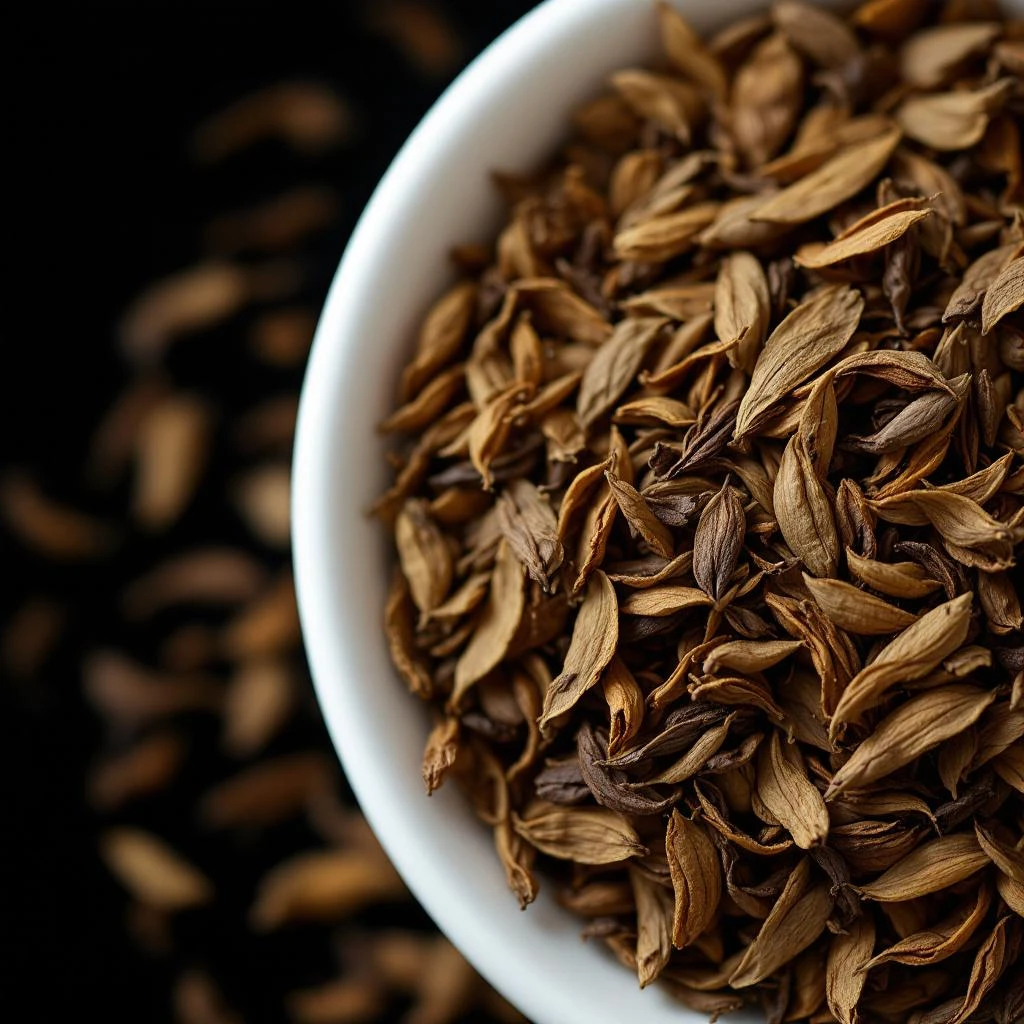
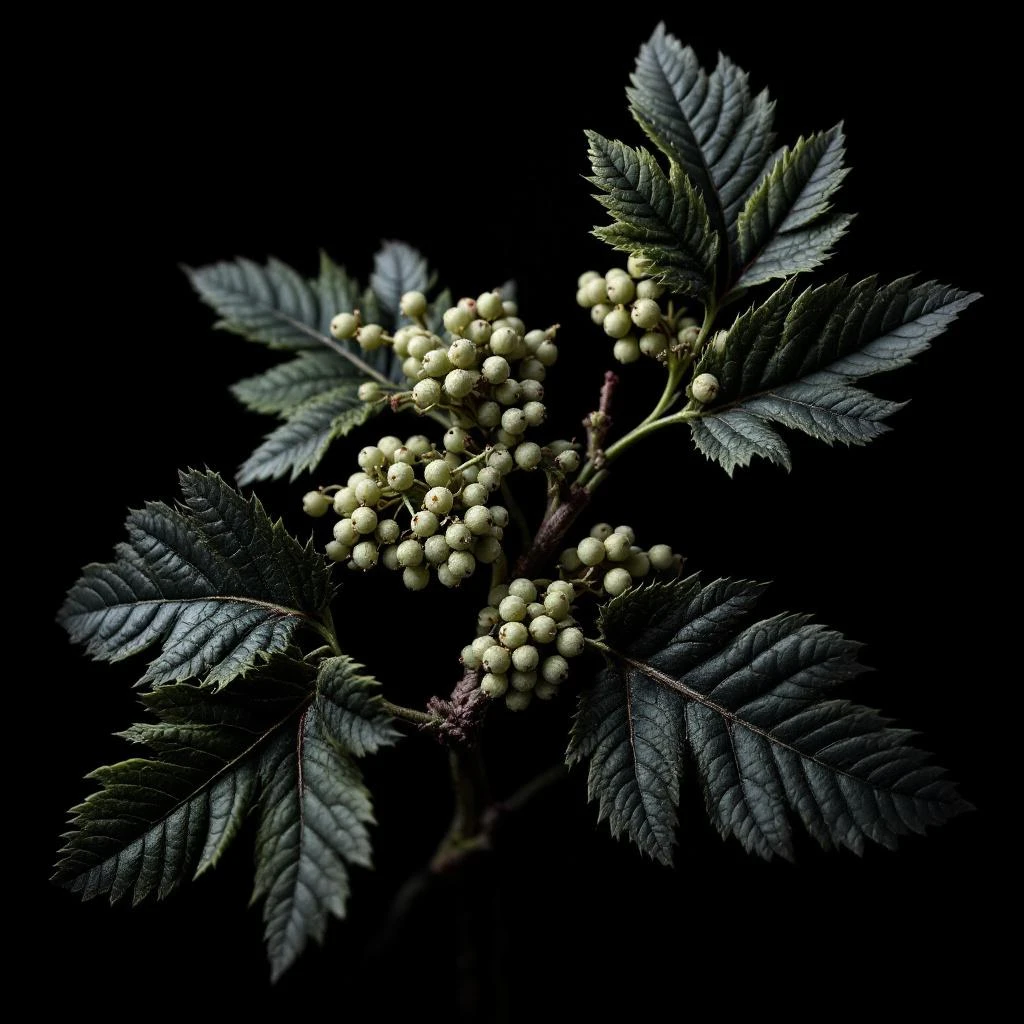
St. John's Wort (Hypericum perforatum) delivers a warm, herbaceous essence with subtle honeyed and hay-like facets. This storied flowering plant bridges traditional medicine and fine perfumery, offering a uniquely grounding aromatic profile that evokes sun-drenched meadows and centuries of botanical wisdom.
Character
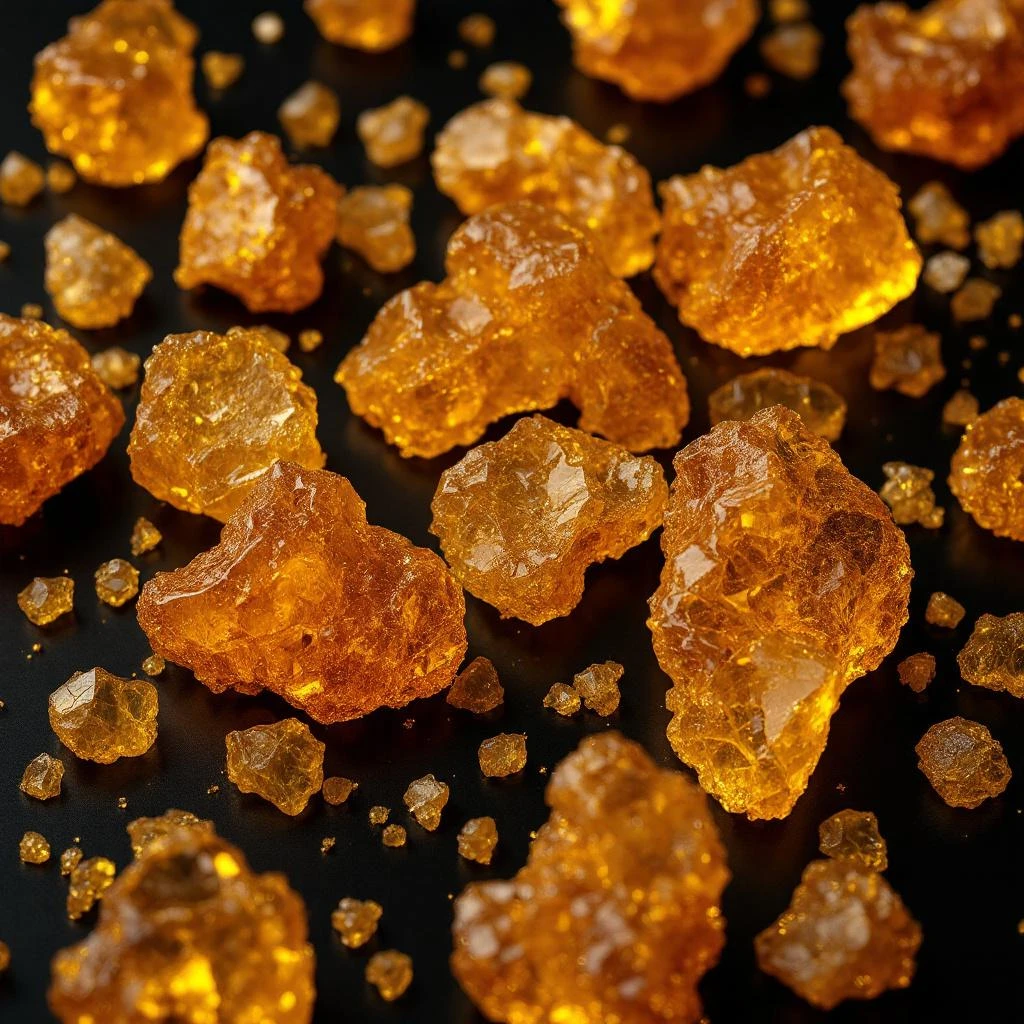
How it smells
A sun-warmed meadow in botanical form.
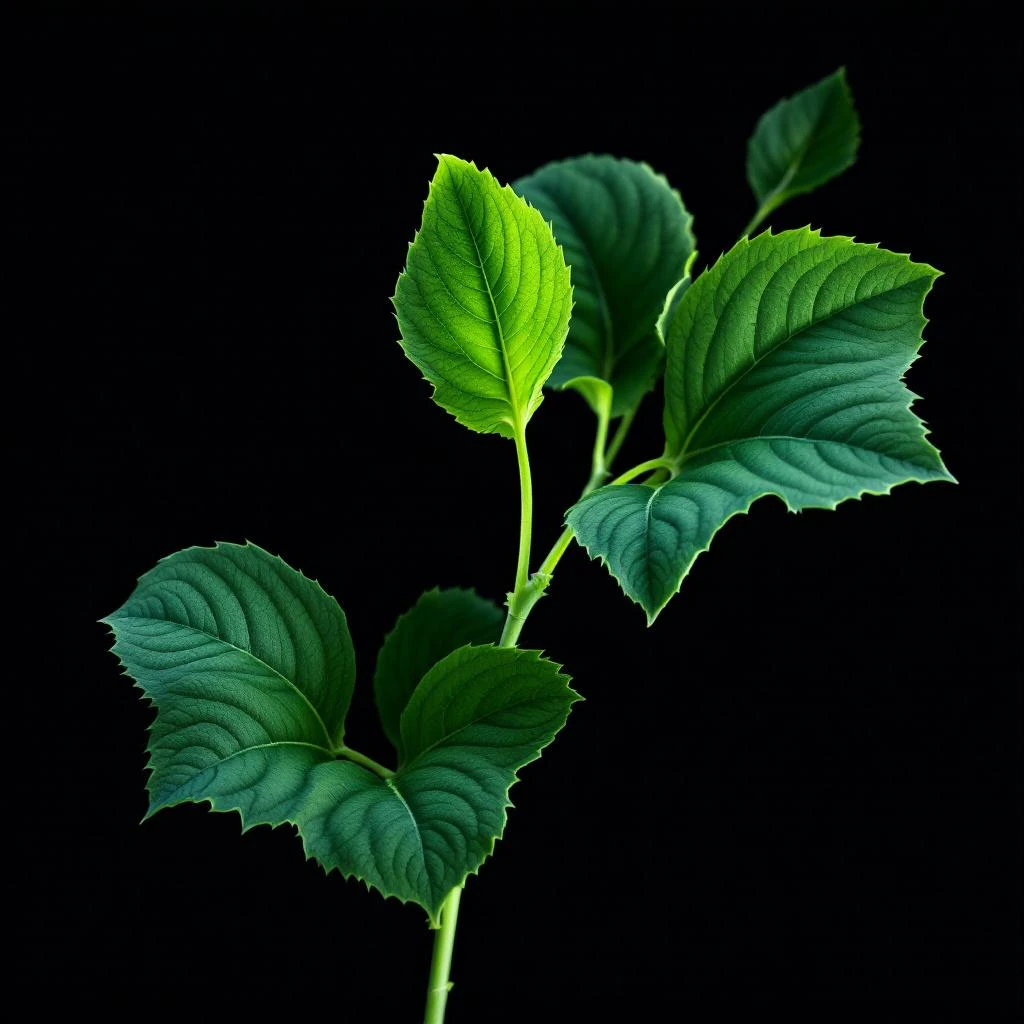
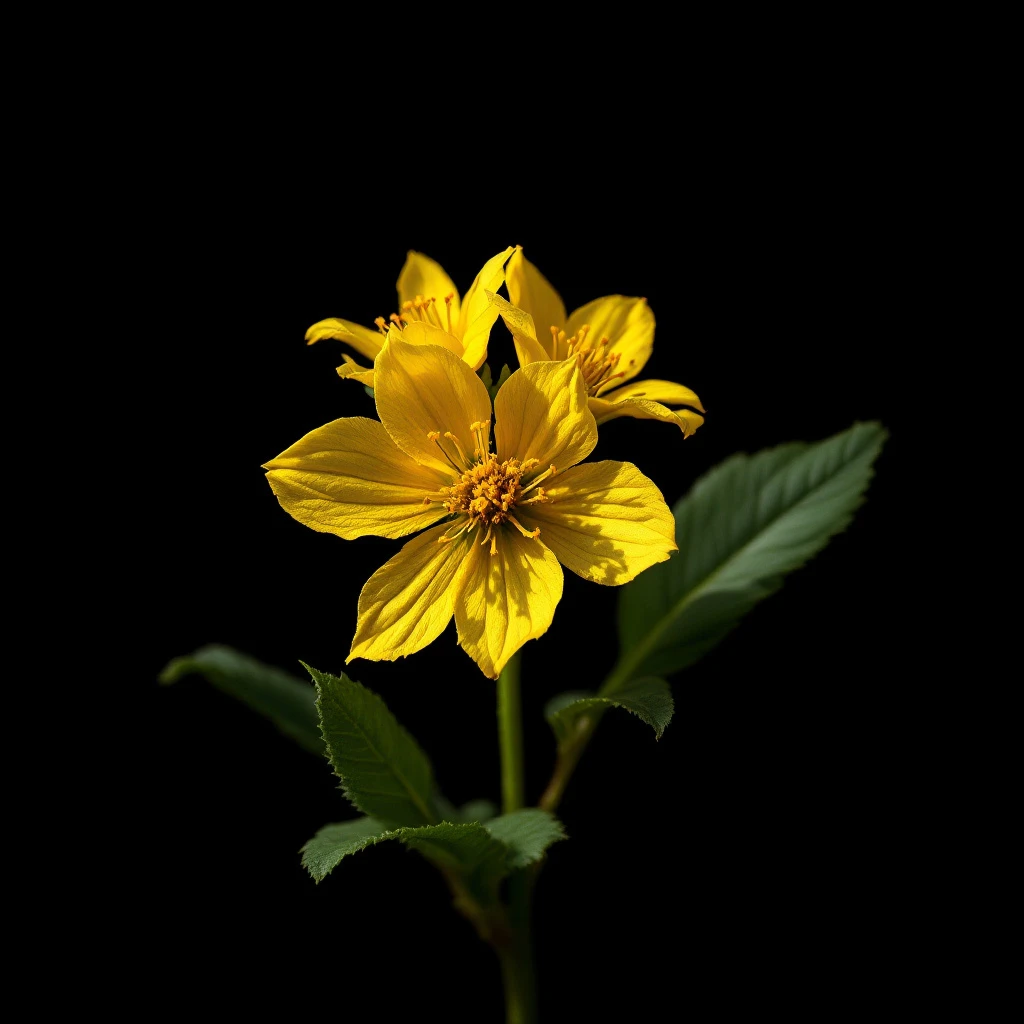
The plant earns its name from ancient traditions linking it to St. John the Baptist, with red spots on leaves said to represent his martyrdom.

Origin
Bulgaria
Hypericum perforatumcarries a name rooted in ancient Greek, with 'hyperikon' meaning 'over an apparition' referencing beliefs in its supernatural protective powers. The 'perforatum' descriptor comes from the distinctive translucent dots visible when holding leaves to light, which folk tradition interpreted as holes pierced by the devil. European folk medicine prescribed the plant for wound healing, nervous conditions, and digestive complaints for centuries.
The name 'St. John's Wort' emerged from Christian tradition, as the plant traditionally blooms around June 24th, St. John the Baptist's feast day.
Native to Europe, West Asia, and North Africa, the species likely hybridized in Siberia before spreading globally, now naturalized across North America and other regions. Its journey from sacred herb to perfumery ingredient reflects a broader rediscovery of botanical materials that served humanity across millennia.
Wears it best
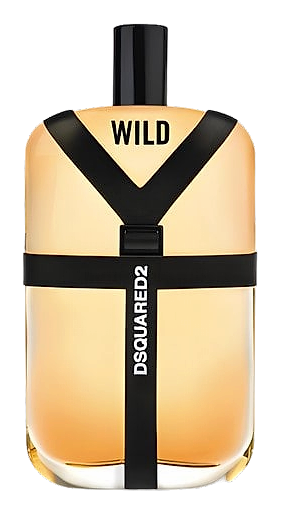
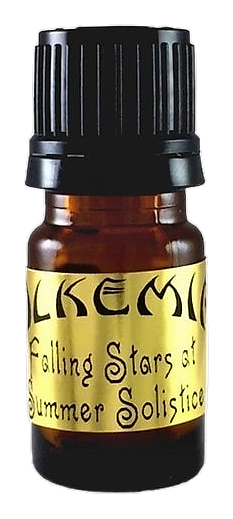
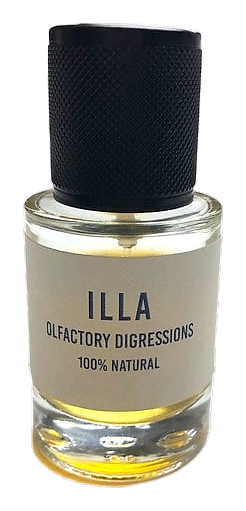
Fragrances featuring St. John's Wort
Brands
Brands known for St. John's Wort
Good to know
Questions, answered
The essentials on St. John's Wort in perfumery: how it smells, where it comes from, and how it behaves on skin.
What does St. John's Wort smell like in fragrance?
St. John's Wort delivers warm, herbaceous notes with green undertones and subtle honeyed sweetness. The scent evokes sun-dried hay and a faint medicinal quality reminiscent of its traditional applications.
Is St. John's Wort commonly used in perfumery?
It remains a relatively rare perfumery ingredient, valued for its distinctive character. Extracts appear primarily in niche and artisanal fragrances seeking botanical authenticity over synthetic substitutes.
Where does commercial St. John's Wort extract originate?
Bulgaria leads production, where optimal continental climate conditions produce high-qualityHypericum perforatum. Eastern Europe and Germany also cultivate the plant on an agricultural scale.
Does St. John's Wort oil come from the flowers?
Yes, perfumery extracts use the flowering tops, where aromatic compounds concentrate. The plant's characteristic perforated leaves contribute less to the fragrance profile.
How is St. John's Wort extracted for fragrance use?
Supercritical CO2 extraction and steam distillation are the primary methods. CO2 extraction preserves delicate molecules without heat, producing a more complex aromatic profile.
Is St. John's Wort related to the herbal supplement?
Same plant (Hypericum perforatum), but perfumery extracts differ from medicinal preparations. Fragrance extracts focus on aromatic compounds rather than the hypericin and hyperforin constituents targeted in herbal supplements.
Is St. John's Wort sustainable to source?
Cultivated sources in Bulgaria and Eastern Europe ensure sustainable supply. The plant adapts readily to various climates, making reliable agricultural production feasible.
What fragrance families pair well with St. John's Wort?
It complements herbal, green, and fougere compositions beautifully. Pairings with lavender, clary sage, and warm base materials like labdanum create cohesive botanical narratives.