The Story
Why it exists.
The beginning
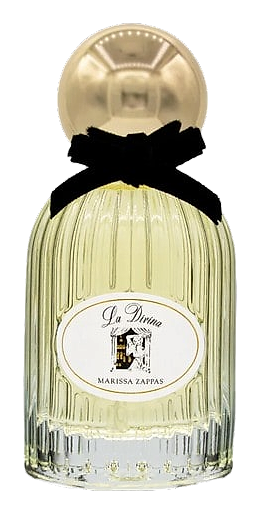
Imperia La Divina takes its name from a real woman. The first Roman courtesan to achieve celebrity status, she built her reputation not on beauty alone but on wit, charm, and a refusal to offer her company to anyone who couldn't match her conversation. She was known for standing in her window and charging onlookers just to walk past. Marissa Zappas, the independent perfumer behind the 2022 release, treats La Divina as an olfactory portrait of that posture: inviting, expensive, entirely on her own terms. The scent carries the same cool confidence, a fragrance composed for someone who knows exactly what she's offering and to whom. There's a self-possession in the blend, a refusal to soften itself for approval.
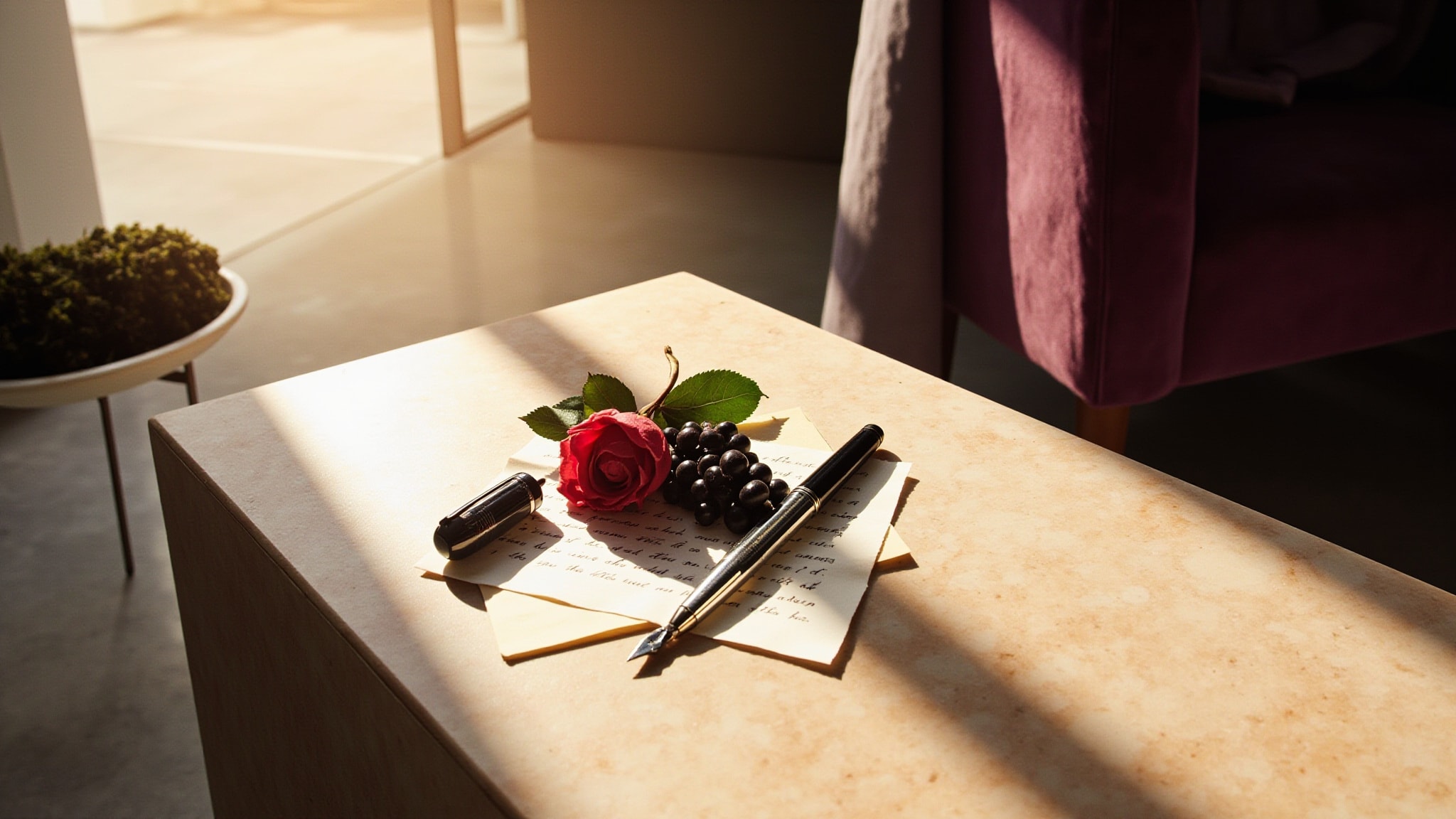
The composition is small and deliberate. Rose sits at the center, but the materials framing it are unusual for a floral. Cassis cuts through with a sharp, almost bitter fruitiness, dark and unsweetened, the kind of note that would read as green and tart on the palate. Poplar buds contribute a balsamic, almost smoky green sweetness that adds depth without weight, lending the composition a slightly resinous shadow behind the petals. Oakmoss settles into the base, damp and earthy, rooting the rose in something older and more grounded. Together they build a rose that doesn't behave like a rose.
The evolution
The first ten minutes belong to cassis. It's tart, almost mineral, the dark sweetness of blackcurrant liqueur poured over ice. The rose enters slowly, not blooming so much as arriving in a doorway. Powdery, slightly soapy, unmistakably floral but with a greenish edge that keeps it from going soft. Around the 30-minute mark, the poplar buds surface, bringing a sticky-balsamic warmth, the smell of resin warming on skin. This is where the composition shifts from cold to quietly sensual. By hour two, the oakmoss has settled into its role, grounding everything in that earthy, forest-floor depth. The musk arrives last, washing over the drydown in a soft, skin-like veil. What remains at hour six is a whisper: powdery rose over warm moss, still composed, still boundaried. It doesn't grow louder with time. It just gets more itself.
Cultural impact
La Divina has drawn comparisons to Frédéric Malle's Portrait of a Lady and Parfums de Marley's Delina, but it leans cooler and more boundaried than either. Where those compositions emphasize the lush, generous facets of rose, La Divina holds its rose at arm's length, allowing the greener, sharper, more austere qualities of the flower to take precedence. It's a study in restraint rather than abundance, a fragrance that treats the rose as a subject to be observed rather than embraced. The effect is a floral that feels intellectual, even slightly guarded, more interested in tension than comfort.