The Story
Why it exists.
The beginning
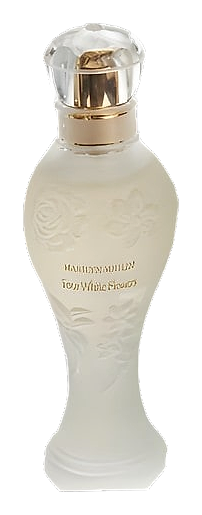
Four White Flowers arrived during the 1990s, built around a single, almost stubborn idea: what happens when four notoriously heady white blossoms share the same garden? The name is literal about it. Tuberose, jasmine, gardenia, lily, nothing more, nothing dressed up. There's no citrus spark to cut through the opening, no woody anchor to ground the drydown, just the four flowers standing shoulder to shoulder in their full, natural weight. The composition pushes straight into a sensual register, the kind that lingers on warm skin and makes a room feel slightly closer than it actually is. What gives the fragrance its pull is the way the blossoms interact rather than simply coexist.
The composition's restraint is what makes it work. Four flowers, no distraction, no citrus spark to cut through, no woody anchor to ground the drydown. That decision lets the blossoms speak in their natural register, which means the lactonic creaminess of gardenia and the almost-indolic heat of tuberose get to do their slow negotiation without interference. The result is a fragrance that stays in character from the first spritz to the last faded trace hours later.
The evolution
The first thirty minutes are deceptively cool. Lily and gardenia lead, giving the opening a waxy, almost-cucumbery freshness that reads cleaner than expected for something this floral-dense. The gardenia's green-creamy edge keeps the bouquet from collapsing into sweetness right away, and the lily's dewy lift adds a kind of translucent shimmer at the very top. Then the tuberose arrives, and the temperature shifts. It brings that characteristic carnal sweetness, the one perfume people mean when they say a floral smells like skin. The density builds, the creaminess thickens, and the fragrance settles into its true register. Jasmine threads through the middle, adding a slightly soapy, indolic edge that keeps the bouquet from going soft or cloying.
Cultural impact
Within the white-floral category, Four White Flowers sits firmly on the full-bodied end of the spectrum. The composition makes no attempt to lighten itself with green openings or transparent musks, and the result is a fragrance that feels closer to the weighty, indolic florals of decades past than to anything currently riding the trend toward airy, sheer launches. The jasmine carries that slightly soapy, almost-animalic edge that defined the genre before clean beauty reshaped expectations, and the tuberose brings its full, carnal sweetness without any modern restraint.