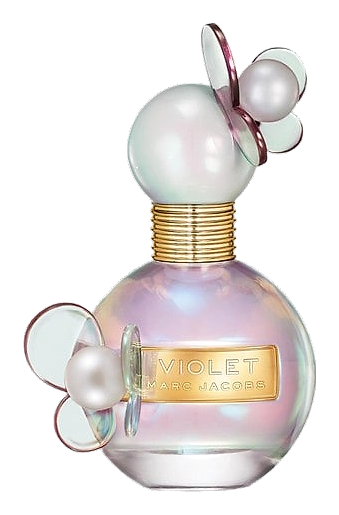

The Story
Why it exists.
The beginning
Max Philip treats each launch as a story waiting to be worn. Violet is the house distilled to its essence, abstraction as a practice, not a gimmick. The concept was simple: take the quietest flower in the garden and give it enough space to finally speak. What emerged wasn't a statement fragrance. It was something softer. More considered. The kind of scent that asks you to slow down and notice.
The osmanthus-white tea opening is unusual, osmanthus brings apricot and faint leather, white tea brings green and slightly bitter clarity. Together they create a space that is floral but mineral, soft but textured. It's the kind of combination that rewards attention. Vanilla and orange blossom then warm the composition without pushing it toward sweetness. The structure is deliberate: nothing arrives too early, nothing lingers past its welcome.
The evolution
First hour: osmanthus and white tea create a translucent opening. The violet note sits underneath, powdery and present but never loud. Second hour: orange blossom and vanilla take over, waxy, sweet, intimate. The green quality of the tea fades but leaves a quiet clarity behind. Hours three through five: musk and cedarwood arrive slowly, wrapping the floral heart in something warmer, woodier. Not heavy. Just present. The drydown on fabric reads as soft skin, warm cotton, the ghost of flowers after the petals are gone. By morning, there's still a trace, close enough to smell, far enough to have to lean in.
Cultural impact
Violet enters a niche market that rewards restraint and narrative. Max Philip's catalog, spanning color names and abstract concepts, positions the house as a home for collectors who treat fragrance as identity work. The osmanthus-white tea opening is an unusual choice for a 2024 release, leaning into quietude rather than the bold, performative accords that dominate the market. It is a fragrance for those who already know what they like.