The Story
Why it exists.
The beginning
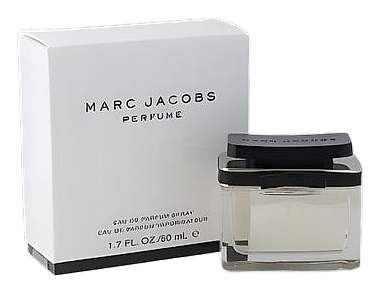
Marc Jacobs Perfume Essence arrived in 2003, with a focus on clarity and restraint that would come to define the brand's approach to fragrance. The fashion house had launched its first women's scent just two years prior, establishing a foundation built on personal expression and understated confidence. The composition prioritizes simplicity, allowing each element to earn its place within the blend rather than competing for attention. The name Essence itself speaks to a philosophy of distillation, a belief that fragrance should capture what truly matters most, stripping away excess to reveal something essential and lasting.
What makes Essence structurally interesting is the way it layers white florals against a warm resinous base. Gardenia and orange blossom are both heady materials on their own, tropical, almost tropical in their density. Iris brings the powdery counterweight, which could tip the composition into something heavy. The benzoin and tolu balsam base is where the trick lives: these are sweet resins, but they behave more like a skin-warm accord than a sticky one. Sandalwood anchors the whole thing without pushing it into the creamy lane. The spicy notes in the opening, a small amount of warmth in the top, serve mainly to lift the citrus and freesia so the transition to the heart doesn't feel abrupt.
The evolution
The opening arrives crisp. Bergamot and freesia share the stage for the first few minutes, with a hint of spice warming the edges. Then the white florals take over, gardenia first, assertive and full, followed by the orange blossom. The rose arrives quietly, not leading but softening. This is where Essence earns its name: it sits close to the skin but announces itself in movement, its presence felt without being overwhelming. The drydown is the quiet part. Benzoin and tolu balsam release their warmth slowly, sandalwood keeping everything grounded. On fabric, this fragrance outlasts itself, it stays in a scarf or a collar long after the wearer has forgotten it was there.
Cultural impact
Marc Jacobs Perfume Essence sits in an interesting position within the brand's fragrance lineup. It represents a creative chapter that precedes the Daisy franchise, offering something different in tone and intention. For those who discovered it, it became a quiet staple, the kind of fragrance that rewards attention rather than demanding it. The scent carries a confident self-assurance without shouting it from the rooftops, and that balance is what makes it linger in memory long after the bottle is closed.
The House
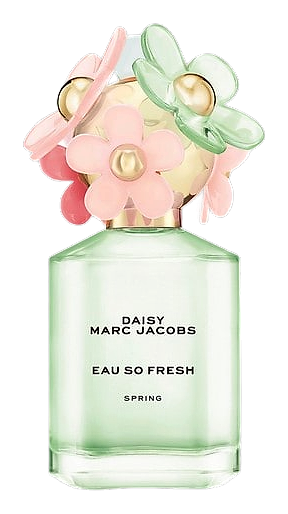
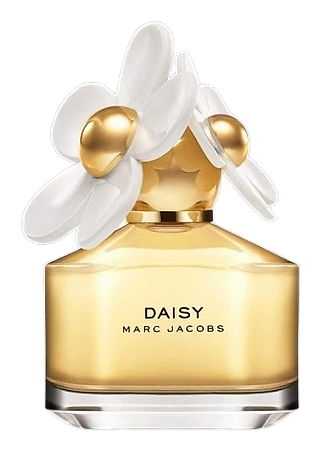
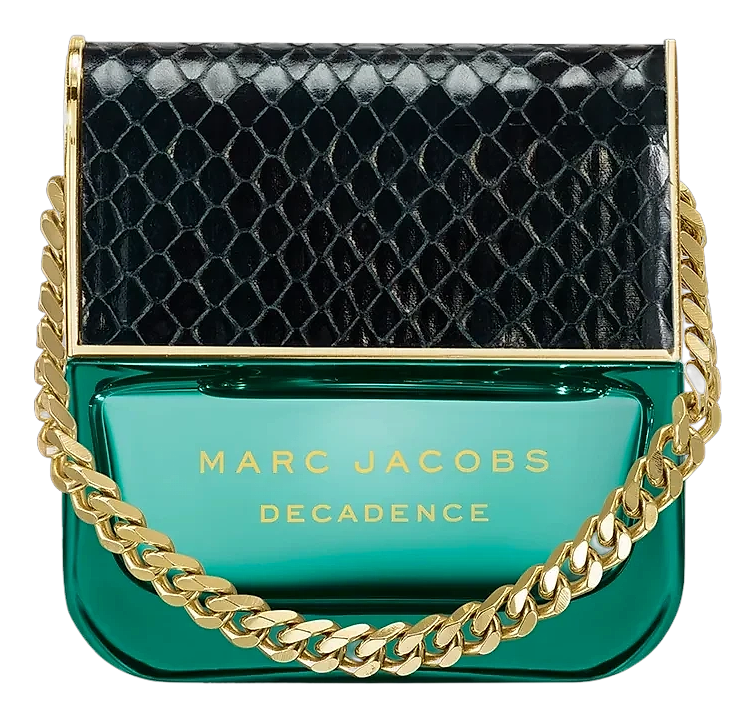
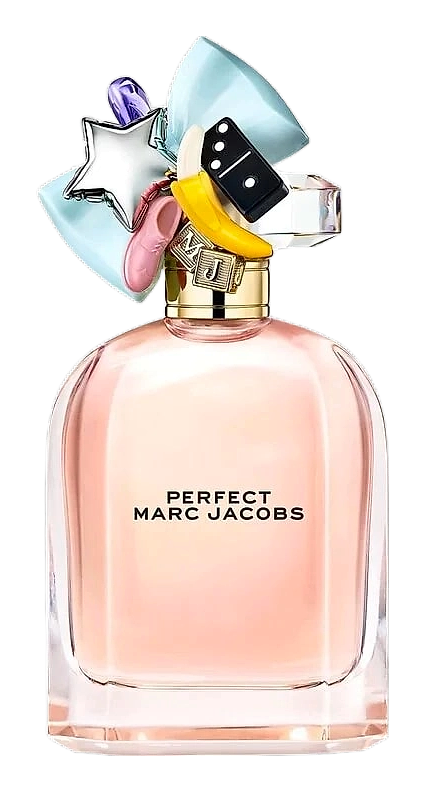
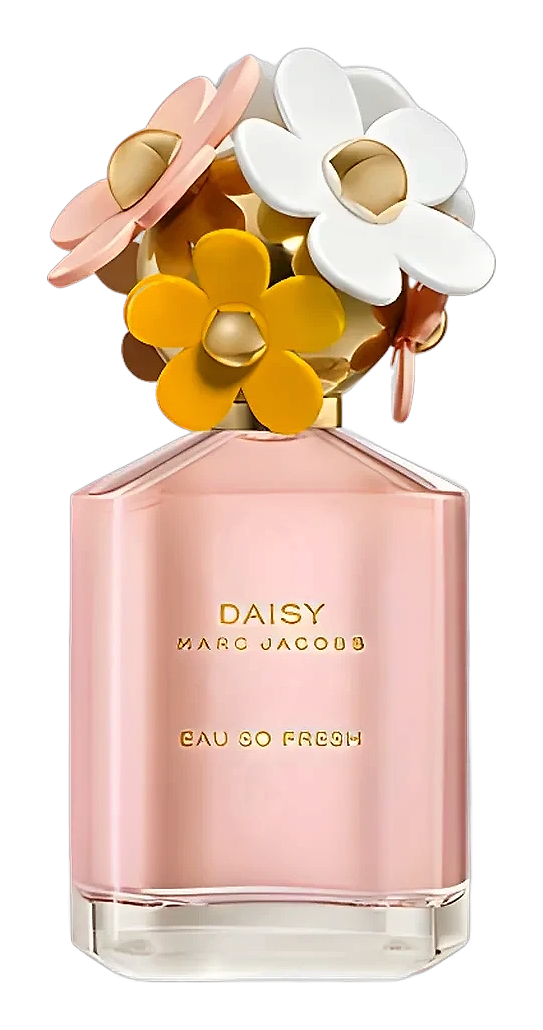
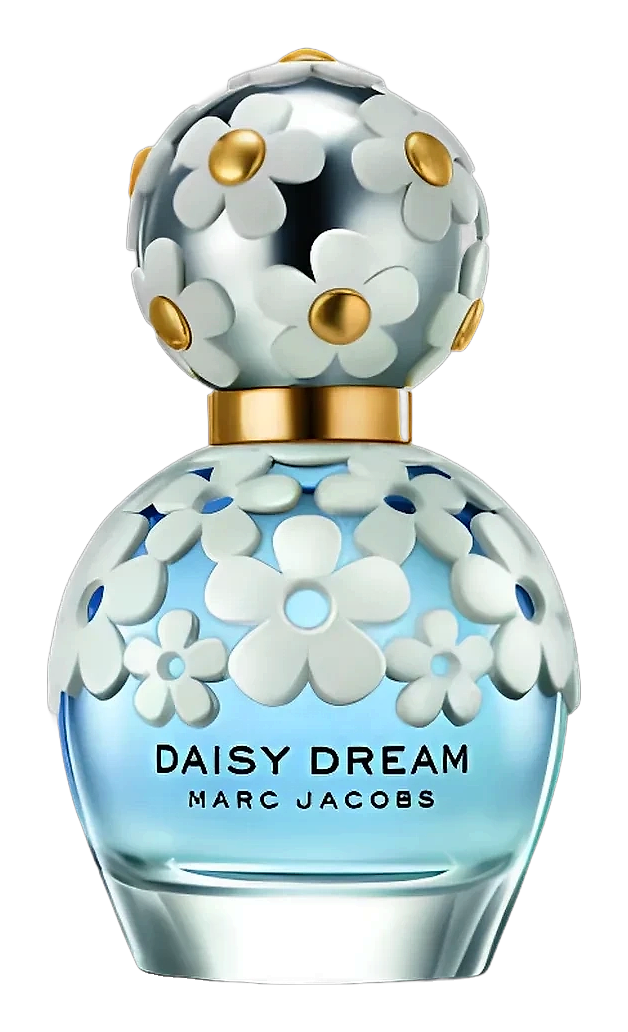
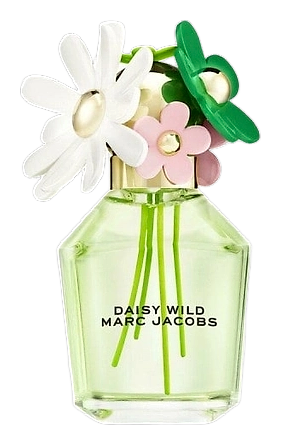
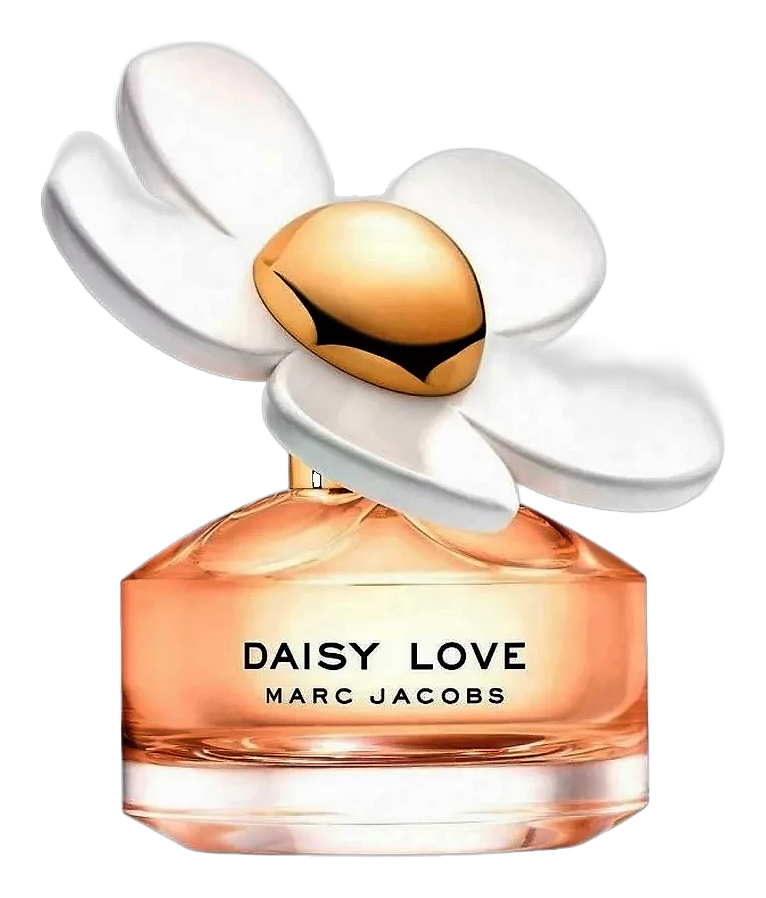
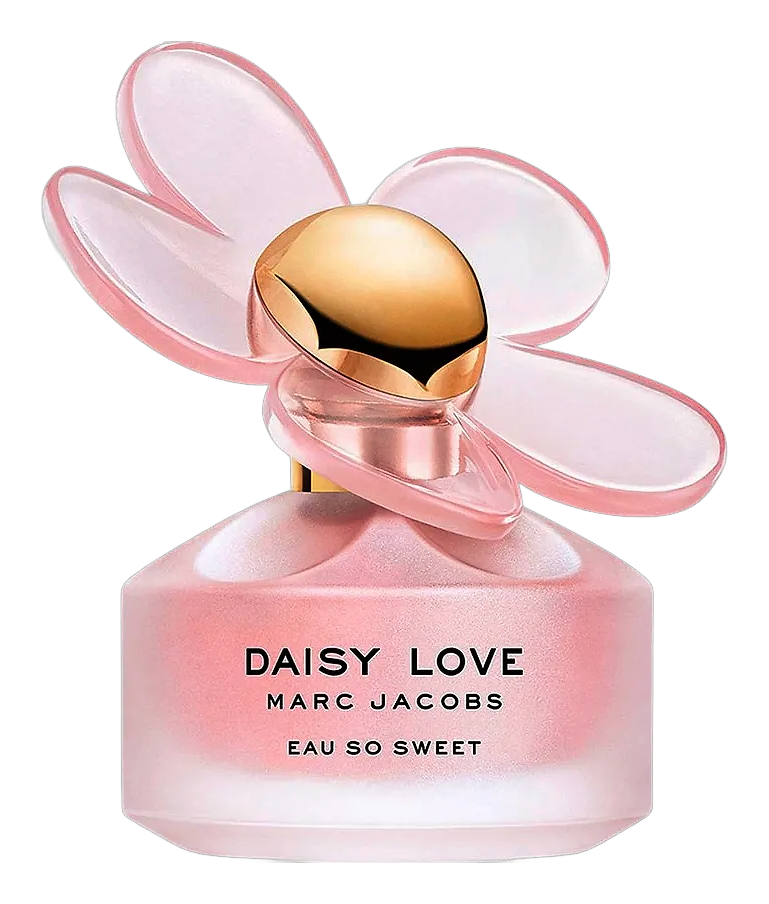
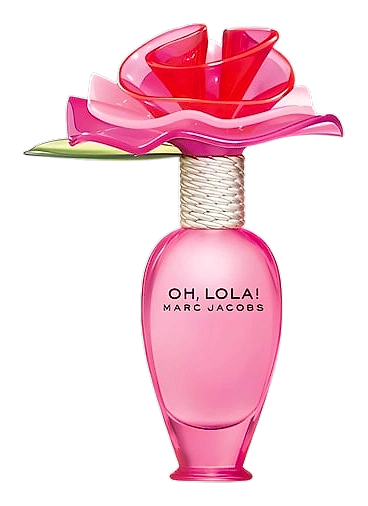
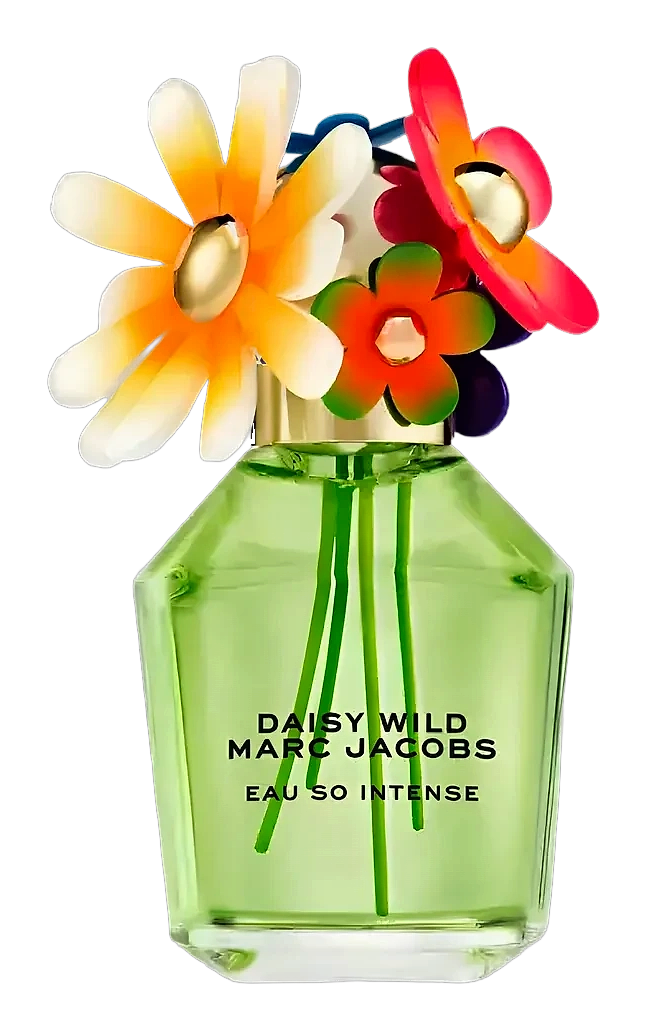
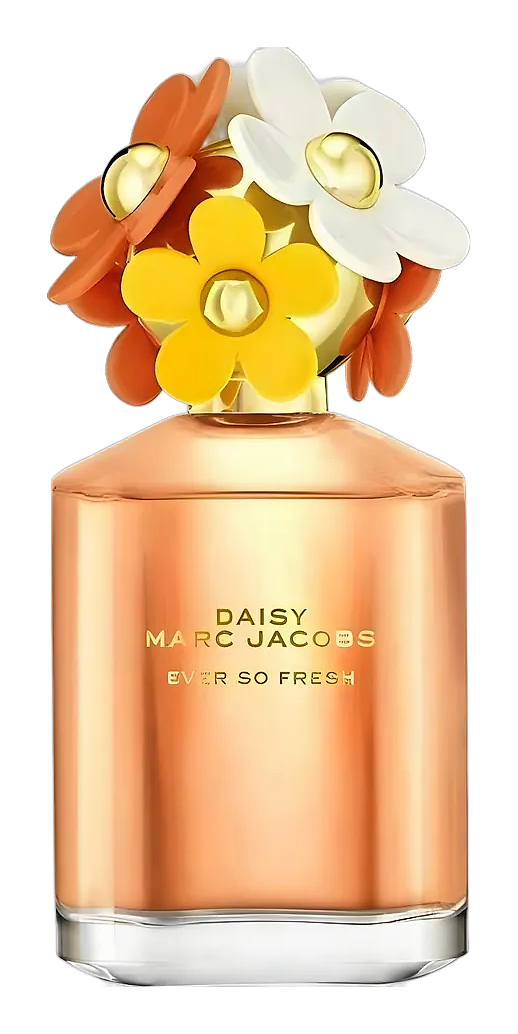
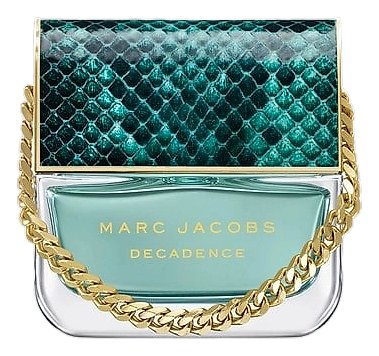
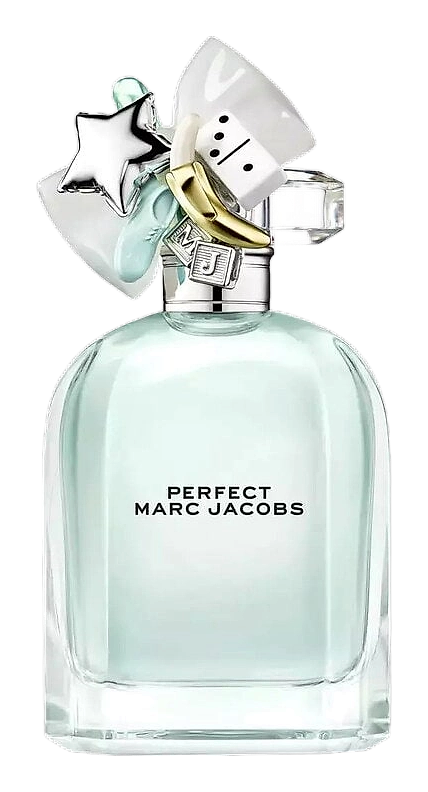
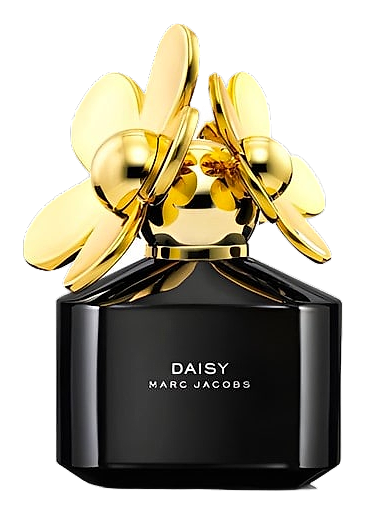
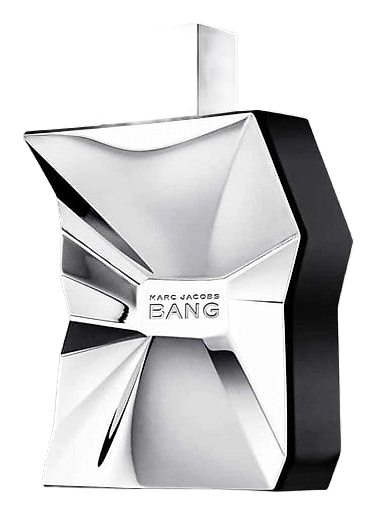
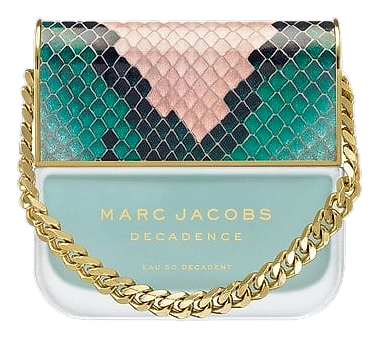
Marc JacobsMarc Jacobs fragrances, produced under license by Coty, launched in 2001 with Marc Jacobs for Women, followed by a companion men's scent in 2002. The brand has since built an extensive portfolio of fragrances anchored by signature lines including Daisy (2007), Lola (2009), Decadence (2015), and Perfect (2020). Daisy, named after Daisy Buchanan from F. Scott Fitzgerald's The Great Gatsby, quickly became a defining success for the brand, spawning numerous flankers and variations across multiple collections. The line's visual identity, with its oversized daisy cap atop a clean bottle, became one of the most recognizable silhouettes in contemporary perfumery. Decadence introduced a handbag-shaped bottle on a gold tasselled chain, a notably unconventional vessel for fragrance at the time of its launch. The brand has collaborated with a broad roster of perfumers over the years, including Annie Buzantian, Ann Gottlieb, Steve DeMercado, Loc Dong, Alberto Morillas, and Calice Becker, among many others. Marc Jacobs fragrances are available at major department stores worldwide and online.
The Creator
SherapopSherapop's signature leans toward transparent, luminous florals with clean structural support. Their work with violet (Les Fleurs Violette) demonstrates comfort with powdery, romantic florality, while the peony-freesia pairing in Chiffon Peony Freesia shows affinity for fresh,…