
The Story
Why it exists.
The beginning
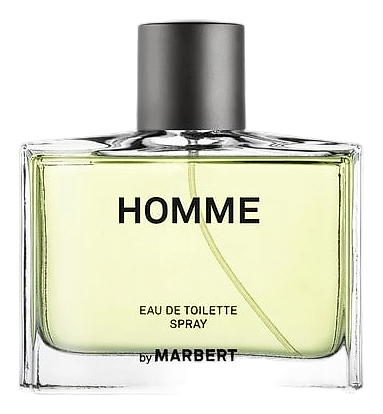
Marbert Homme arrived in 1988 as a darker counterpoint within the Marbert Man line. Where Marbert Man had been bold and aromatic, Homme shifted toward something more Gothic, drier, earthier, leaning into the woody chypre structure that was receding from masculine fragrance fashion. The perfumers built it around oakmoss as a central element, giving it prominence throughout the composition. Vetiver and cedar held up the middle. No sweet woods, no vanilla cushion. Above-average longevity came standard, and the composition maintained its dry, assertive character throughout wear, no matter what the skin underneath did to it. Those who have tested it repeatedly report that it holds for six hours or more without significant fade.
Oakmoss plays a significant role in the composition. In most masculine fragrances, oakmoss waits in the base, a quiet anchor. In Marbert Homme, it arrives early and drives the heart of the composition, giving the fragrance its mossy, green-earth character from the first hour rather than as a payoff at the end. Vetiver and cedar amplify that dryness. Sandalwood adds a brief creamy counterweight before the whole structure tightens again. Patchouli brings the darkness, but it is the oakmoss that shapes the scent's identity.
The evolution
The opening hits bright and then immediately turns. Bergamot and lime arrive for a moment, citrus clean, briefly promising, before the galbanum takes over and everything goes crisp, almost bitter. Green that bites. That sharp opening is the tell: this is not a fragrance that eases you in. The heart takes over within fifteen minutes. Patchouli and sandalwood build warmth against the cedar and vetiver, which push back with their dry, earthy weight. The combination is woody without softness. The drydown settles into oakmoss and amber, close to the skin, mossy and warm, lasting well into the next few hours. This is the part people come back for. Not the opening, the endurance.
Cultural impact
Marbert Homme earned a loyal following in the decades after 1988 for outlasting expectations. Community reviewers frequently describe it as the kind of scent that carries through extended wear without reapplication. The galbanum opening can be intense, but the drydown is what keeps people returning. For those exploring masculine fragrances from this era, this one holds up as a reference point for what focused construction could build: woody, dry, and designed to persist.