The Story
Why it exists.
The beginning
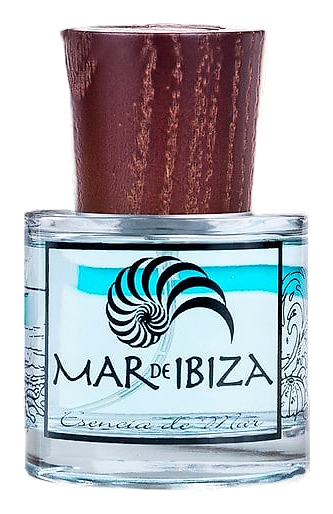
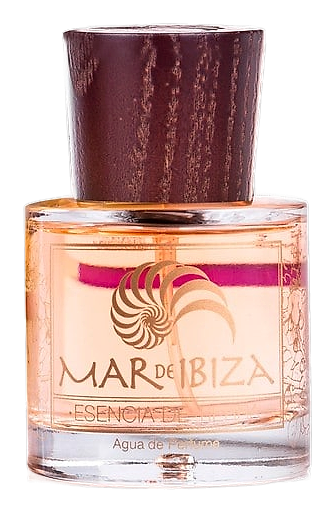
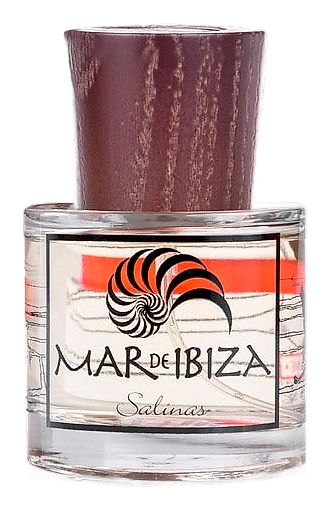
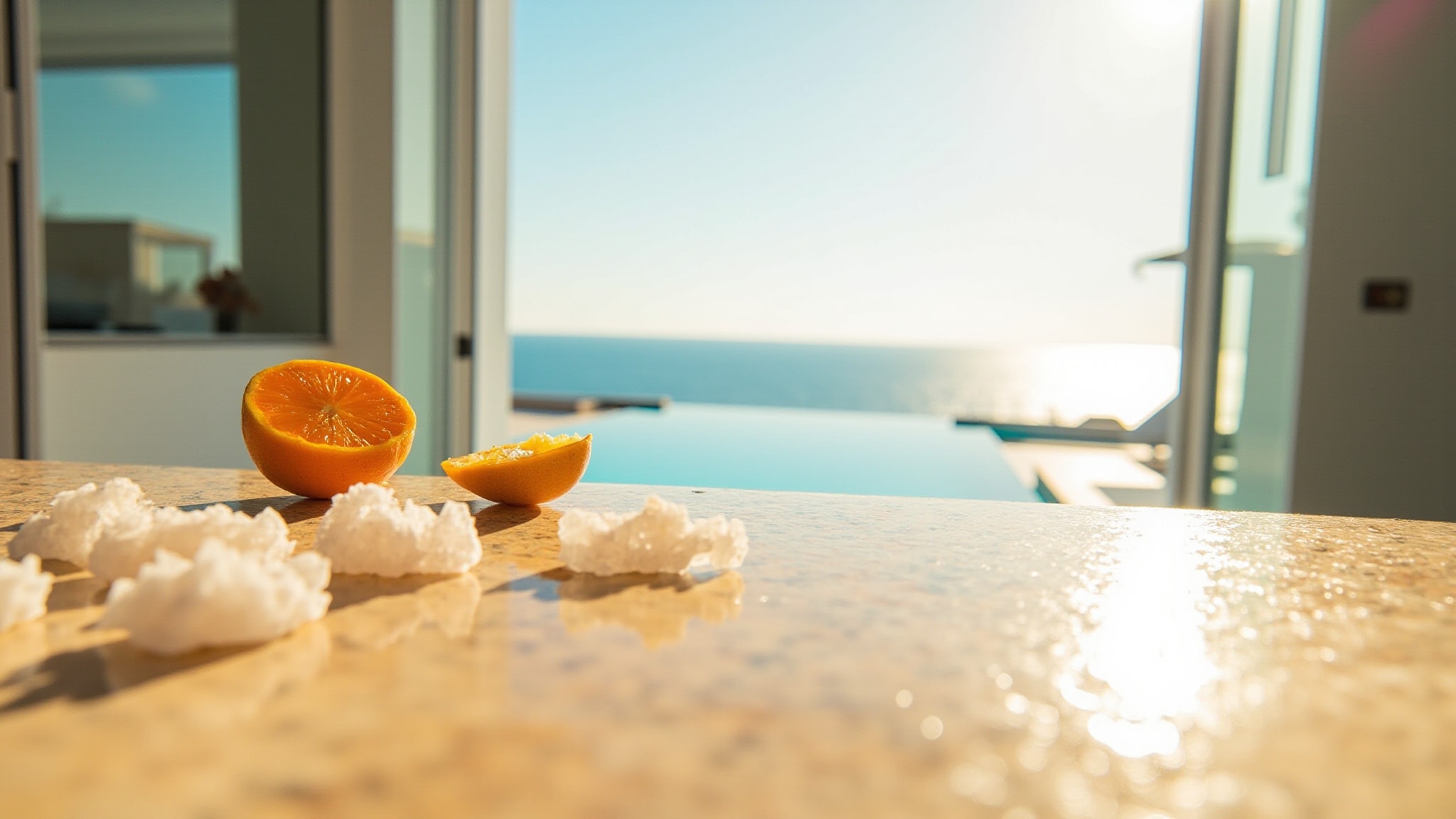
Salinas draws its name from the salt lagoons of Ibiza, those bright, shallow flats where seawater collects and evaporates under the Mediterranean sun. Launched in 2016 as part of Mar de Ibiza's work with coastal environments, the fragrance translates that particular shoreline into scent: the place where sea surrenders to land, where water thins out and leaves a saline residue behind. The composition treats salt as a material you can almost taste rather than an abstract idea, pairing it with seaweed and herbal notes that pull the whole thing into island botany. There's a groundedness to the result that keeps it from drifting off into generic marine territory.
What's worth noticing here is the structural choice. The fragrance begins with salt as a literal top note rather than as a background effect, then lets seaweed carry the marine character through the heart. That sequencing keeps the composition tethered to something tactile and almost edible, like something you might encounter on an actual shoreline rather than in a laboratory approximation of one. The herbal and rose elements in the middle don't ornament the structure; they complicate it, introducing green and floral threads that keep the composition from collapsing into pure aquatics.
The evolution
The first fifteen minutes are all texture and lift. Salt arrives immediately, sharp and bright, layered with the citric warmth of mandarin and a green cut from violet leaf that keeps the opening from feeling one-dimensional. Then the herbs settle in, reading more dried than fresh, almost sun-warmed. Rose joins them with a quiet thread of jasmine overhead, and the seaweed makes itself known through the middle, giving the heart a saline backbone that feels rooted rather than synthetic. By the second hour, the composition has dried down into something warmer: amber, a generic woody note, white musk. The salt doesn't vanish; it just moves deeper, hanging on in a way that feels integrated with the skin rather than floating above it. The final stretch is a close, warm trace of musk and amber, with enough saline memory to keep the opening present in spirit long after the top notes have faded.
Cultural impact
Salinas sits in the company of fragrances that treated the marine category with a degree of seriousness, reaching for actual salt as a note rather than relying solely on synthetic stand-ins for sea air. It's part of a wave of coastal compositions that took shape as independent perfumers and smaller houses began exploring more literal interpretations of place, working with materials like seaweed, salt, and shore-side herbs rather than the cleaner aquatics that dominated department-store shelves for years.