The Story
Why it exists.
The beginning
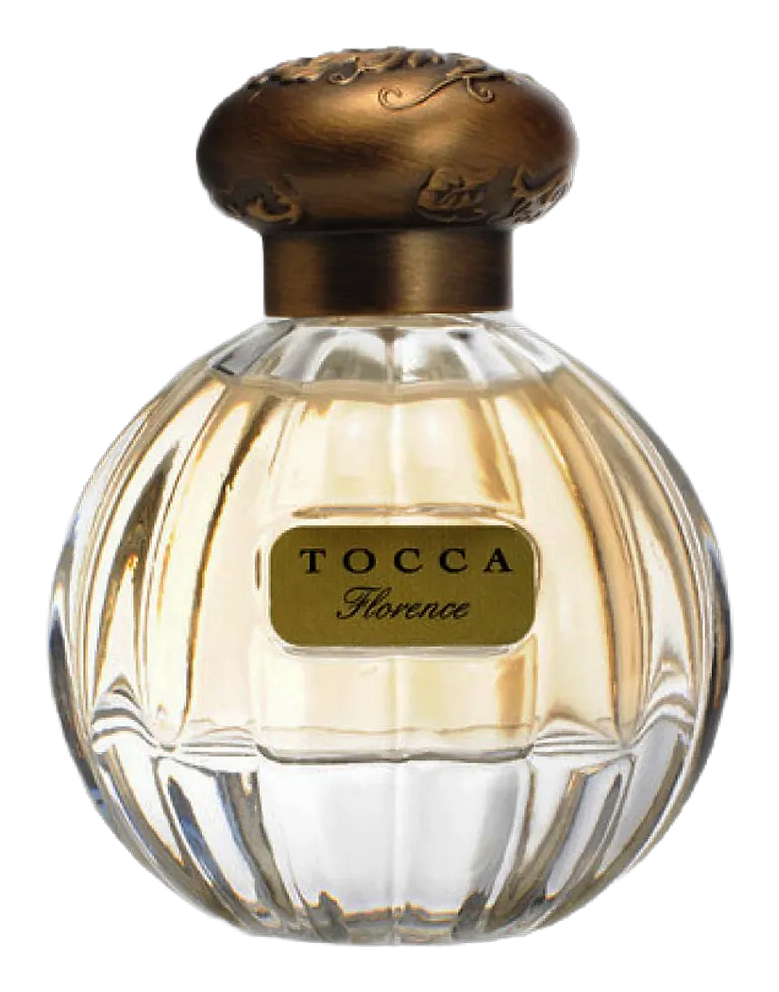
Jasmine stands as one of perfumery's most revisited materials, a note that has been explored, reinterpreted, and occasionally overworked across countless releases. The challenge with jasmine is well known: the temptation to pile on supporting elements that dilute rather than honor the flower's true character. This interpretation takes a different approach, stripping away the excess that often accompanies the note. The opening delivers citrus clarity that illuminates rather than overwhelms, creating space for the white floral heart to emerge with intention. The jasmine asserts itself at the center, surrounded by supporting florals that deepen rather than compete, all anchored by a base of beeswax and tolu balsam that grounds the composition without pushing it toward sweetness or heaviness.
The structural choice here is the restraint at the base. Beeswax and tolu balsam don't behave like typical fixatives, they're slightly animalic, faintly honeyed, and they give the white florals something to lean against rather than float above. Compare this to jasmine fragrances built on sandalwood or vanilla, and the difference is audible: this version keeps its brightness longer, refuses to go soft too early, and settles into warmth without ever becoming gourmand. The tol u balsam in particular adds a resinous quality that most mass-market jasmine scents skip entirely. It's the kind of material that requires commitment, too much and it turns syrupy, too little and it disappears.
The evolution
The opening arrives with citrus brightness, bergamot and neroli arriving together, sharp and clean. The lemon adds a brief acidity that recedes as the florals begin to announce themselves, and the transition happens smoothly as jasmine and orange blossom assert themselves. The tuberose and ylang-ylang do not compete for attention, instead deepening the heart into something creamier without pushing it toward indolic territory. The beeswax emerges to give the composition a slightly waxy, warm undertone that distinguishes it from the typical white floral trajectory. The drydown settles into a quiet woody warmth threaded with tonka bean, sweet enough to register, restrained enough to stay in the background.
Cultural impact
Jasmine carries centuries of cultural weight across Mediterranean and Asian traditions, where it has long symbolized purity, sensuality, and spiritual connection. In Hindu tradition, jasmine garlands honor deities and mark ceremonies, while in Chinese culture the flower represents grace and the intimate bonds between lovers. The scent's association with weddings, religious rituals, and personal adornment spans continents and centuries. This interpretation draws from that deep well of meaning, acknowledging jasmine's heritage through a composed white floral that respects the flower's storied past.