




Heritage
A house, in its own words
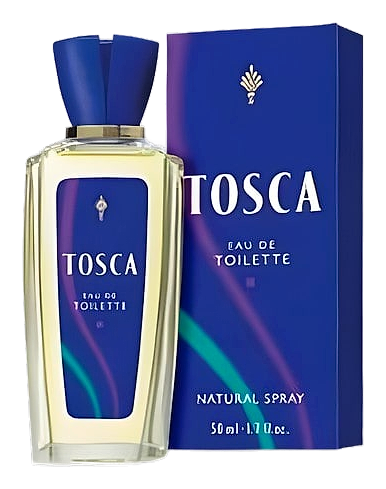
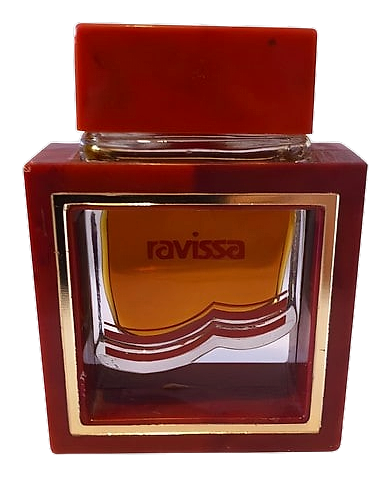
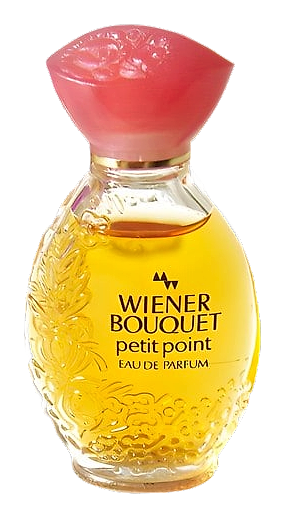
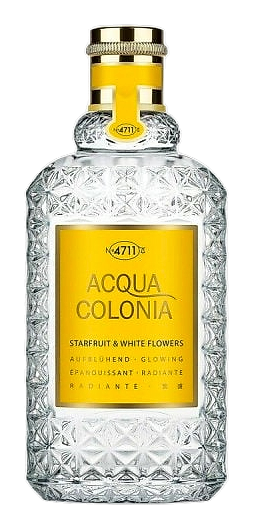
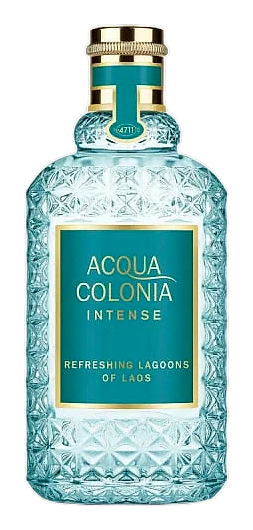
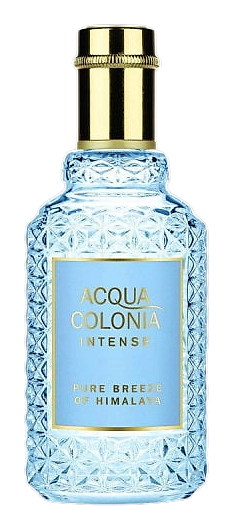
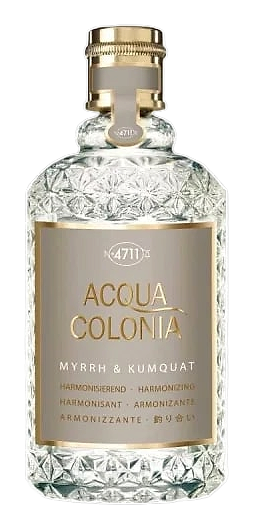
The story of Mäurer & Wirtz begins in 1845 when Michael Mäurer and Andreas August Wirtz established a soap manufacturing operation in the town of Stolberg, located near Aachen in what was then the Rhineland region of Prussia. From these modest beginnings serving a local market, the company gradually expanded its scope to encompass fragrance production. The founders built their reputation on quality soaps and toiletries before venturing into perfumery, a natural evolution for a company already working with aromatic raw materials and fragrance compounds. Over the following decades, Mäurer & Wirtz developed its own fragrance lines while maintaining its manufacturing expertise. The company remained a family-controlled enterprise for generations, navigating through Germany's industrial transformation and the challenges of two world wars. A pivotal moment arrived in 2006 when Mäurer & Wirtz acquired the House of Fragrances 4711, one of Cologne's most storied perfume houses, which had been producing the legendary Eau de Cologne since the late 18th century. This acquisition brought the 4711 brand under German ownership after years of foreign stewardship and allowed Mäurer & Wirtz to restore and expand the collection. The company has continued expanding through acquisitions, reportedly adding Classic Parfums and The Nose Behind to its portfolio, bringing houses such as Casamorati and Pana Dora under its management. The company reports a workforce of approximately 160 employees and operates from its historic Stolberg facility, representing nearly two centuries of continuous family ownership and operation. Mäurer & Wirtz approaches fragrance creation with what might be called grounded tradition, a philosophy that values heritage and continuity while remaining responsive to evolving tastes. The house does not position itself as an innovator in the conceptual sense of chasing trends, but rather as a keeper of fragrance traditions, particularly those rooted in German and broader European perfumery. This orientation shows in how the company handles its acquired brands, particularly the 4711 collection, where the stated goal has been to preserve tradition while creating new 4711 interpretations that honor the original spirit. The house maintains a broad portfolio that spans multiple fragrance families and target demographics, from the Austrian-inspired Wiener Bouquet collection to the Western-themed Mustang line launched in 2006. This diversity suggests a philosophy of offering fragrance for every occasion and personality rather than concentrating on a narrow aesthetic. The company operates with a long-term perspective appropriate to its heritage, building and managing brands over decades rather than pursuing short-term market cycles. This patient approach extends to acquisitions, where the company has sought to revive and develop heritage fragrance houses rather than simply absorbing their catalog into a homogenized portfolio.