
The Story
Why it exists.
The beginning
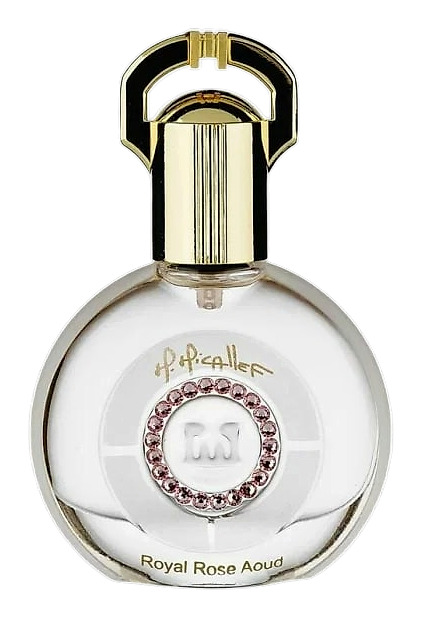
Royal Rose Aoud arrived in 2012, the product of a collaboration between perfumer Geoffrey Nejman and perfumer Jean-Claude Astier. Micallef had spent years developing its catalog of oud-leaning compositions, and this release marks a notable point in that catalog where the materials meet a more wearable, rose-led expression. The brief was simple enough: take oud, take rose, make the combination feel current rather than ceremonial. Astier brought an external perspective on how much restraint to apply to a pairing most brands overcook, and Nejman, working as the in-house perfumer, contributed an intimate familiarity with the raw materials the house tends to favor.
What separates this from other rose-oud releases is what happens at the top. Royal Rose Aoud flips the entry: blackcurrant and saffron hit first, with a tart, almost wine-like sharpness, before the oud and rose arrive together in the heart. The blackcurrant adds a sharp, slightly bitter edge that prevents the saffron from tipping into sweetness, and it primes the skin for the oud to register as something mineral and cool rather than barnyard.
The evolution
The first 15 minutes belong entirely to the fruit and spice. Blackcurrant arrives sharp and almost jammy, lifted by saffron that reads more like the spice itself than like the metallic edge saffron sometimes carries. The combination smells like something spiced and pulpy, the kind of opening that draws a follow-up sniff before the heart has even settled in. Around the 20-minute mark the rose enters, not as a solo but alongside the oud. The rose here is dark, slightly honeyed, and the oud underneath reads clean and almost papery rather than medicinal or animalic. There is no sharp barnyard note, no leathery bite, just a smooth cool woodiness that makes the rose feel grounded rather than soapy. By the second hour the composition has shifted toward its base: white musk softens the edges, sandalwood adds a creamy warmth, and patchouli quietly anchors everything from below. The patchouli is dry and dusty rather than dank, more of a shadow than a presence.
Cultural impact
Royal Rose Aoud holds a reputation as the more accessible, rose-led option in the broader oud conversation, less ceremonial than heavier oud releases from the same era and friendlier to wearers who are curious about the material without wanting to commit to something thick or smoky. Its fruit-forward opening has made it a reference point for anyone who wants oud without the usual incense weight, and it has carved out a place as an entry point rather than a final destination.