
The Story
Why it exists.
The beginning
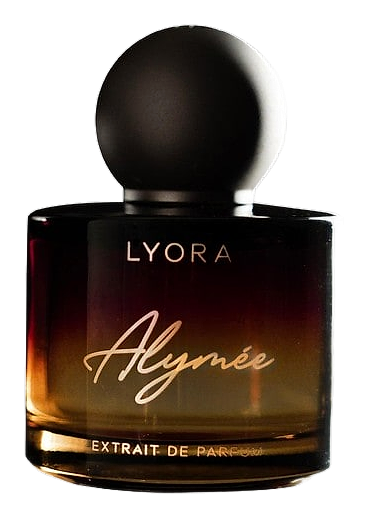
Alymée arrived in 2025 as LYORA's elegant fragrance for women, built around a striking exchange of magnolia and saffron. The official description calls it würzig, cremig, and sinnlich, which captures the idea neatly: spicy, creamy, and sensual. Nothing suggests a literal origin story or a named creative muse. Instead, the composition itself sets the direction. Magnolia gives the opening polish, while saffron introduces heat before the softer floral heart arrives. Osmanthus and pink pepper join the opening accord, adding their listed floral and spicy elements before tuberose becomes more prominent. As the composition develops, oud, passion fruit, and patchouli bring wood, fruit, and earthy depth to the floral heart.
The composition becomes more compelling when its contrasting materials meet. Tuberose brings an intense floral depth, but oud, passion fruit, and patchouli keep it from behaving like a conventional floral perfume. That sweet fruit note adds a bright edge, while patchouli gives the heart weight and earth. Together, the materials create a layered progression from the floral opening to a heart shaped by creamy flowers, fruit, wood, and patchouli.
The evolution
The first impression combines magnolia, osmanthus, pink pepper, and saffron, with the floral notes meeting a warm, spicy accent. As the heart develops, tuberose becomes the main character. It brings creamy white flowers, while oud, passion fruit, and patchouli add depth, sweetness, and a dusky green shadow. The drydown changes the temperature again. Cedarwood gives the composition a polished woody grain; frankincense brings smoke, myrrh adds a resinous edge, and musk softens the structure without erasing its sharper notes. Vanilla leaves the final trace creamy rather than overtly sweet. Across its listed notes, the fragrance moves from a floral opening toward a warmer heart and a resinous, woody base as the brighter materials recede.
Cultural impact
Alymée can be understood through its listed fragrance materials rather than through a documented reception or cultural movement. The composition combines magnolia, osmanthus, pink pepper, saffron, tuberose, oud, passion fruit, patchouli, cedarwood, frankincense, myrrh, musk, and vanilla. That range gives the fragrance a varied character, moving between floral, spicy, fruity, woody, earthy, smoky, and resinous elements. The available information does not document a specific reception or cultural impact. Its name and note list offer the clearest basis for exploring how Alymée is positioned within LYORA's wider perfume and home-fragrance world.