
Heritage
A house, in its own words
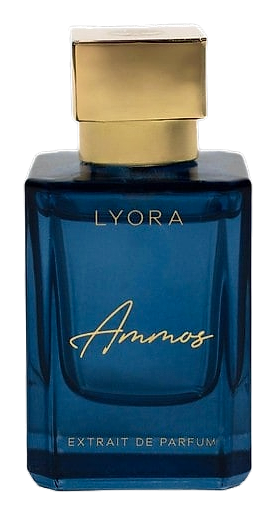
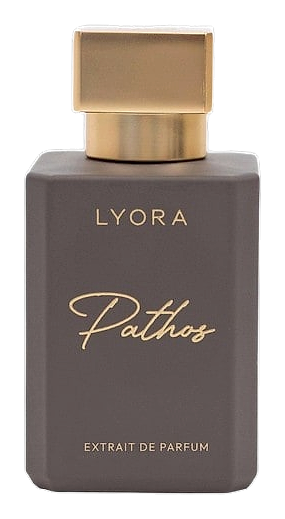
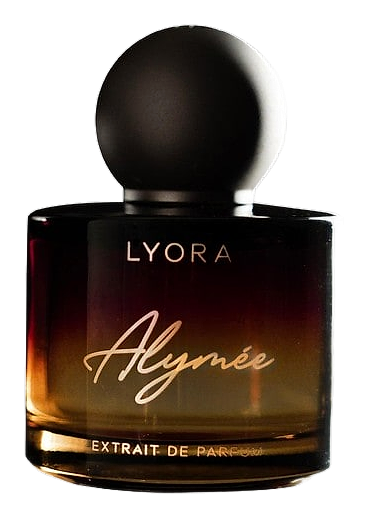
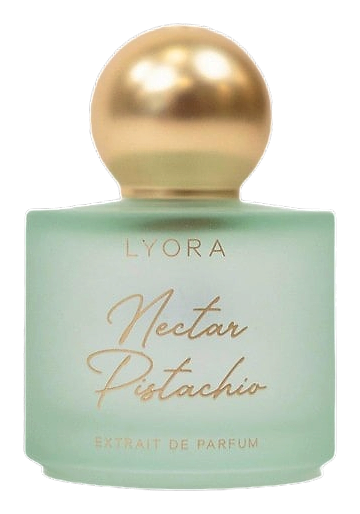
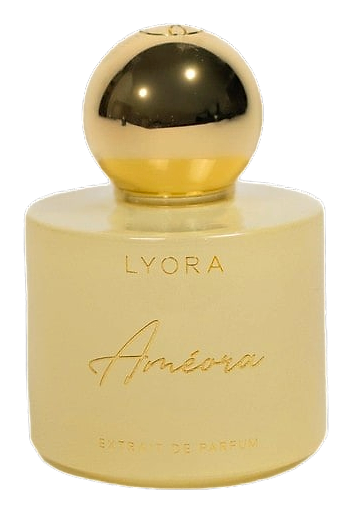
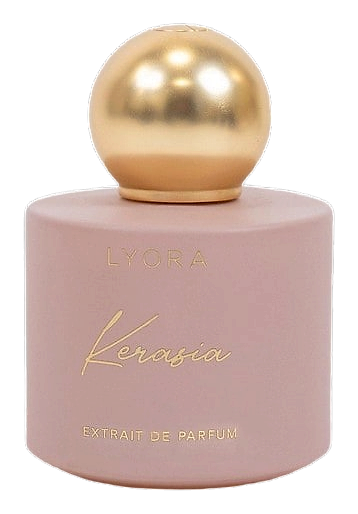
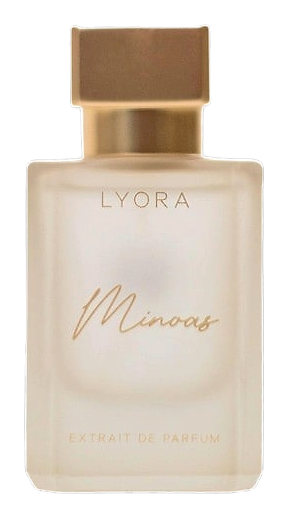
LYORA's history is publicly documented with limited precision, so the brand's origin story is best treated as reported rather than established fact. A LYORA profile published through RABONA describes the label as a joint project founded by two creators who wanted to make distinctive products with an emotional pull. Another profile, published by Fragsi, traces the idea to a desire to bring German precision and quality into conversation with Mediterranean legends. That combination helps explain the collection's character: names such as Minoas and Ammos carry associations with antiquity and the Mediterranean, while Kerasia, Pathos and Alymée give the range a more lyrical, story-led vocabulary. The available sources do not consistently identify the founders by name, nor do they establish a definitive founding year. LYORA's Instagram account presents the brand as a perfume and home-fragrance house, offering a clear indication of its current category. In short, the house appears to have developed from a shared creative concept rather than a documented lineage tied to an old perfumery family. Its history is less a chronology of dates than an origin story built around two influences, German standards and Mediterranean narrative. LYORA's creative idea appears to begin with atmosphere. Its fragrances are named as if they were chapters, moods or remembered places, which gives the collection a narrative frame without requiring every scent to imitate a literal flower, food or landscape. The name Nectar Pistachio is an especially direct example, pairing sweetness with the sensory image of a pistachio. Pathos brings the language of emotion into the name, while Minoas, Alymée and Ammos evoke classical or geographic references. The result is a wardrobe of olfactory stories rather than a visibly narrow family resemblance. The brand's public materials also connect fragrance with inner happiness and the emotional character of the home, extending perfume beyond a personal application into domestic ritual. That approach makes scent feel architectural. It can define a room, alter a mood or create a sense of arrival. LYORA does not publicly provide a detailed statement about ingredients, formulation ethics or perfumery training in the sources reviewed here, so the safest reading is thematic: the house organises fragrance around ideas, cultural references and the desire to make an ordinary moment feel more memorable.