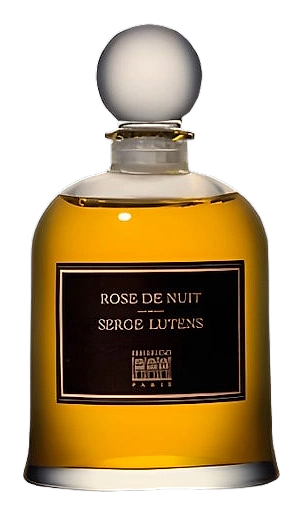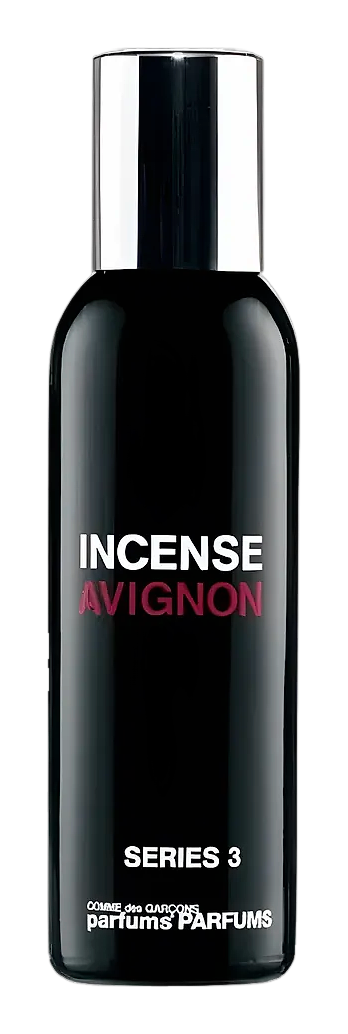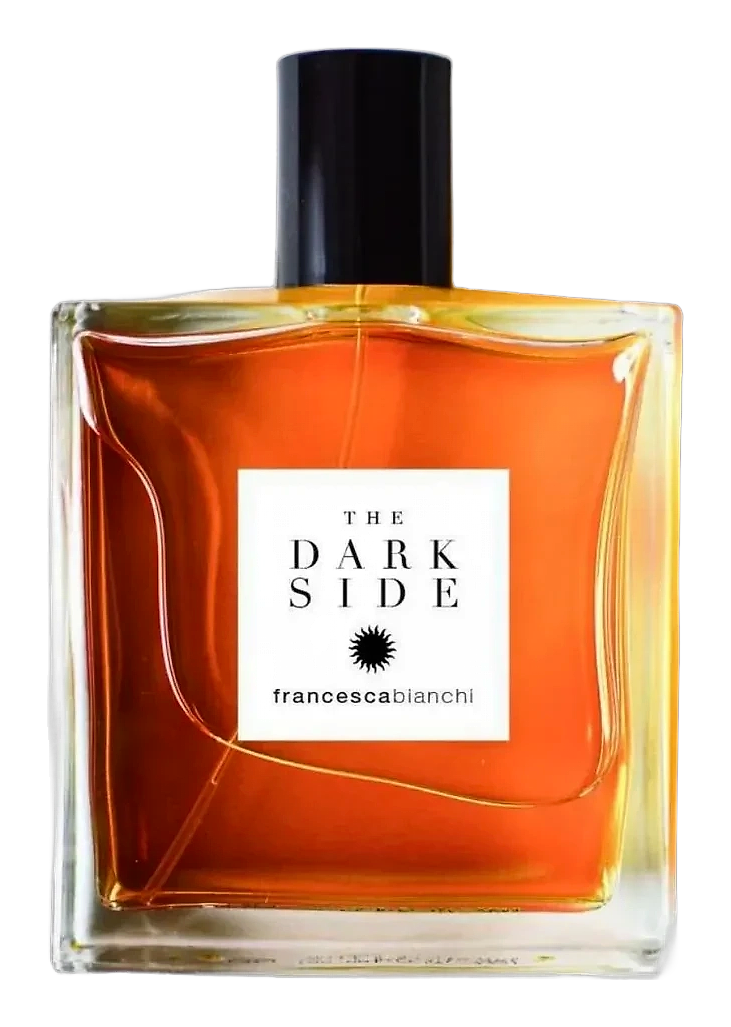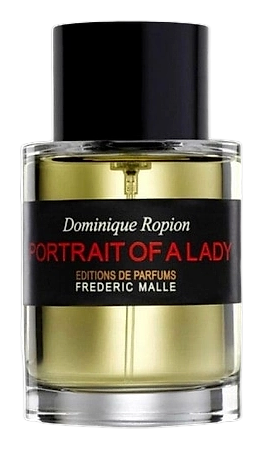
The Story
Why it exists.
The beginning
April Engloner built Eau du Diable around a single idea: the Faustian bargain. The sweet opening isn't a lie, it's the temptation. The promise. The florals are genuinely beautiful. Then the leather arrives, and you realize the florals were never the point. They were the bait. This is a fragrance about seduction and consequence, about the moment you realize the deal was struck long before you thought to sign. The name means exactly what it says.
What makes this composition unusual is how the jasmine doesn't stay polite. In the heart, it takes on an animalic quality, the indolic edge that gives it presence. The leather doesn't arrive to fight the florals. It arrives to claim them. Rose and jasmine become conspirators rather than victims, the sweetness tipping toward something with actual weight. The base is patient: musk, benzoin, incense that lingers close to skin. Not a fragrance that announces. One that stays.
The evolution
The orange blossom opens creamy. Ylang-ylang warms immediately, sandalwood holding the edge. It smells sweet, approachable. Almost innocent. Almost. The leather arrives like an answer to a question nobody asked. The florals don't disappear, they change. Jasmine loses its politeness. Rose keeps things grounded while smoke curls through the composition. By the drydown, the florals are a memory. Incense and amber hold. Musk and benzoin warm with body heat. Four to six hours on skin. Close. Intimate. The kind of fragrance you notice when someone leans in.
Cultural impact
Eau du Diable occupies a specific niche within the brand's dark botanical world, an entry point into Lvnea's signature sensibility. The sweet-to-dark arc represents the house's core tension: beauty that knows exactly what it's doing. For those who find mainstream florals too polite and niche orientals too heavy, this occupies different territory entirely.