The Story
Why it exists.
The beginning
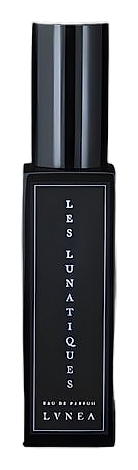
Les Lunatiques translates as 'the lunatics', and that tells you everything. April Lea turned to the moon for this one, specifically the old idea that lunar phases could affect the mind. Rather than leaning into chaos, she made something ritualistic. The opalescent surface of the moon became the creative brief: cold, luminous, slightly otherworldly. This is Lvnea's olfactory interpretation of lunar lunacy, not madness for madness sake, but the beauty of surrendering to something larger than yourself.
What makes Les Lunatiques unusual is how it holds two temperatures at once. The opening is cold, almost clinical, camphor and black pepper do the work of frost on glass. Then the opoponax shifts everything. It's a resin that behaves like a cream, bridging the sharp and the soft. The jasmine heart doesn't arrive immediately. It waits. And when it comes, it comes quiet, blending into the powdery iris and musk rather than announcing itself. This isn't a fragrance that rushes to comfort you.
The evolution
The opening is the statement. Camphor hits cold and sharp, there's no apology for it. Black pepper follows, adding a mineral crackle that catches the senses with each breath. If you've been scared off by the camphor, this is where you leave. If you stay, the opoponax begins its work, softening the edges into something almost creamy. The jasmine doesn't arrive like a rescue. It slips in quietly, blending with the camphor's tail end rather than overwhelming it. As the scent evolves, the base notes emerge, sandalwood, musk, copal resin, and orris root settling into something powdery and warm. What remains is a quiet resinous warmth, closer than a sillage but present enough to catch yourself in it. This is not a fragrance that announces itself throughout the day. It makes its case, then settles.
Cultural impact
Les Lunatiques occupies a specific corner of indie perfumery, the person who wants a fragrance to feel like a ritual, not an accessory. It's not for everyone, and that's the point. The camphor opening has become something of a dividing line in community discussions: some find it remarkable, others find it medicinal. What nobody argues with is the drydown. Those who stay with it describe something that lingers quietly, close to the skin, long after the cold opening has passed.