
The Story
Why it exists.
The beginning
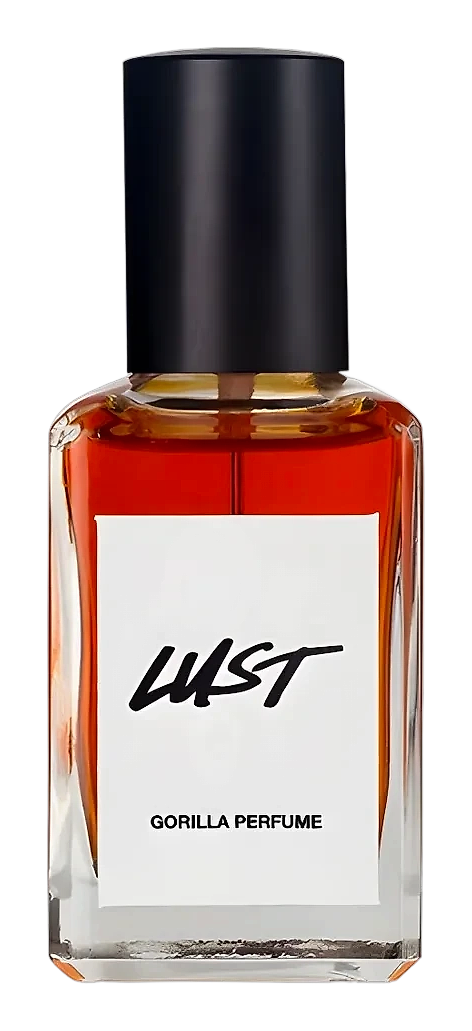
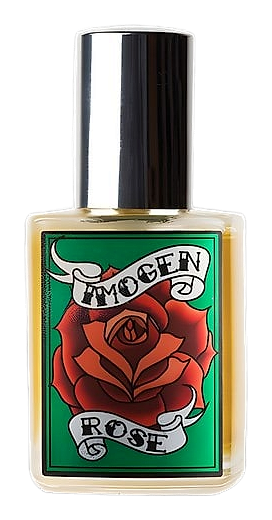
Imogen Rose wears its family history on the label. The fragrance is named after Simon Constantine's daughter, a private gesture made public through scent. Constantine, one of Lush's contributing perfumers, composed the scent in 2010 as part of the Gorilla Perfume collection. There's something quietly deliberate about that choice. A father's name for a daughter pressed into a bottle and offered to strangers. The composition itself refuses the usual polish. Where most rose fragrances reach for honeyed sweetness or the syrupy depth of indolic blooms, Imogen Rose aims for something wilder. Bergamot and basil crack open the top with a green, almost aggressive brightness, like stepping into a garden after rain.
What's unusual here is the restraint. The composition leads with rose but refuses to amplify the bloom through sweetness or jammy excess. Bergamot and basil open with green, almost kitchen-garden sharpness, the kind of brightness that cuts through any expectation of softness. Then rose absolute and orris root pull the heart into a cooler, powdered territory, the way iris does in vintage perfumery. The orris acts almost like a filter, taking the lushness of the rose and pressing it through something dry and mineral.
The evolution
The opening is the greenest part of the wear. Basil and bergamot cut through with a peppery brightness that catches you off guard if you expected a soft floral. It smells like torn leaves, the sharp green sap still clinging to the stems. That green phase holds longer than you'd think, anchoring the composition before the florals arrive. Then the rose shows up, not as a single note but layered, with rose absolute giving depth and orris root pulling everything into a cool, powdery haze. The orris behaves almost like dust motes caught in a shaft of light, settling over the rose and softening its contours. The heart is where the composition finds its center of gravity, dry, floral, almost meditative. The rose absolute carries weight here, while the orris keeps it from ever reading as syrupy.
Cultural impact
Imogen Rose has earned a quiet following among wearers drawn to rose compositions that resist the usual sweetness. The vintage iris-powdered construction, warmed by ambrette and softened with tonka, offers a different kind of floral statement. It's often reached for by people who find traditional rose fragrances too syrupy, too pink, or too wrapped up in old-fashioned glamour.