
The Story
Why it exists.
The beginning
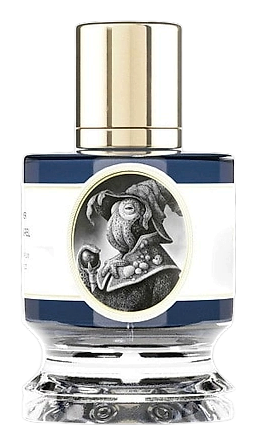
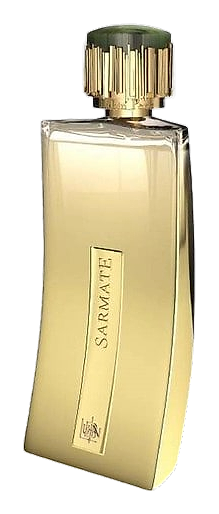
Lubin's Les Aristia collection reaches back to the Sarmatians, a warrior people the Roman Empire could never quite defeat. These nomadic horsemen roamed the steppes of Eastern Europe, fierce and unconquerable, and it is this spirit that the fragrance captures. The davana arrives first, an unusual aromatic warmth that announces itself with quiet authority. Angelica and nutmeg follow, herb and root with a wild edge, the scent of someone who has not yet decided whether to introduce themselves. There is an herbal quality here, green and slightly sweet, undercut by earthy depth that grounds the composition before it can become delicate. This is the cavalry before the charge, a controlled tension that promises intensity without yet delivering it.
What makes Sarmate unusual is the way its materials resist easy categorization. Davana occupies a space unlike almost any other note in perfumery, bringing an aromatic character that is simultaneously herbal and something harder to name. Combined with angelica root's earthy depth and nutmeg's warm spice, the top accord establishes a foundation that most fragrances of this type would simply not attempt. The davana does not smell like lavender, despite having some herbal character in common, nor does it conform to any familiar category.
The evolution
The opening arrives with davana's unusual aromatic character, herbal and complex, softened immediately by angelica root's earthy depth. Nutmeg arrives next, turning the composition warm and spiced without becoming sweet. This initial phase establishes the composition's character: someone approaching, present but not yet fully revealed. The heart is where Sarmate earns its name. Myrrh unfolds in thick, balsamic waves while saffron brings an opulent richness, resinous and warm, a phase that reviewers have described with color terminology, noting how the scent seems to glow with amber warmth that feels almost tangible. The styrax adds a resinous, slightly smoky layer, and something in this combination reads as animalic without ever crossing into unpleasant territory. There is a sense of warmth here, of depth that suggests the living body beneath any scent. The drydown belongs to the oud.
Cultural impact
Sarmate occupies a distinctive position among warm, resinous fragrances with animalic leather character, enough restraint to wear regularly but enough presence to be remembered. The Les Aristia collection positions it alongside other historical-conceptual releases, but Sarmate stands apart through its uncompromising approach to its chosen territory. The davana opening brings something genuinely unusual to the composition, an aromatic quality that does not conform to familiar categories. The saffron-myrrh heart reads as simultaneously opulent and earthy, rich and grounded, a combination that is difficult to achieve and rare to encounter.