The Story
Why it exists.
The beginning
Thomas Fontaine built Bluff in 2009 with a reference point most perfumers wouldn't touch: the medicinal tonics emigrant physicians packed westward during the American gold rush. Those remedies, bitter, restorative, made from kola and botanicals, eventually became part of American culture. Fontaine translated that lineage into a fragrance. Not literally. But the carbonation and the bite, the medicinal edge that gives way to something warmer and woodier, it maps to the arc of that history. Bluff doesn't smell like the Wild West. It smells like the idea of it: tonic, then comfort, then something that stays.
What makes this composition unusual is the transition. Most fragrances that open bright stay bright, or crash into sweetness. Bluff does neither. The citrus fizz at the opening is genuine, almost effervescent, like a opened bottle of something carbonated. Then it gives way to Brazil nut, iris, and clary sage, a heart that reads as dry, slightly bitter, and powdery all at once. It's the kind of structural move that rewards wearing the fragrance fully rather than testing it on paper. The vetiver-heavy base is where the payoff lives.
The evolution
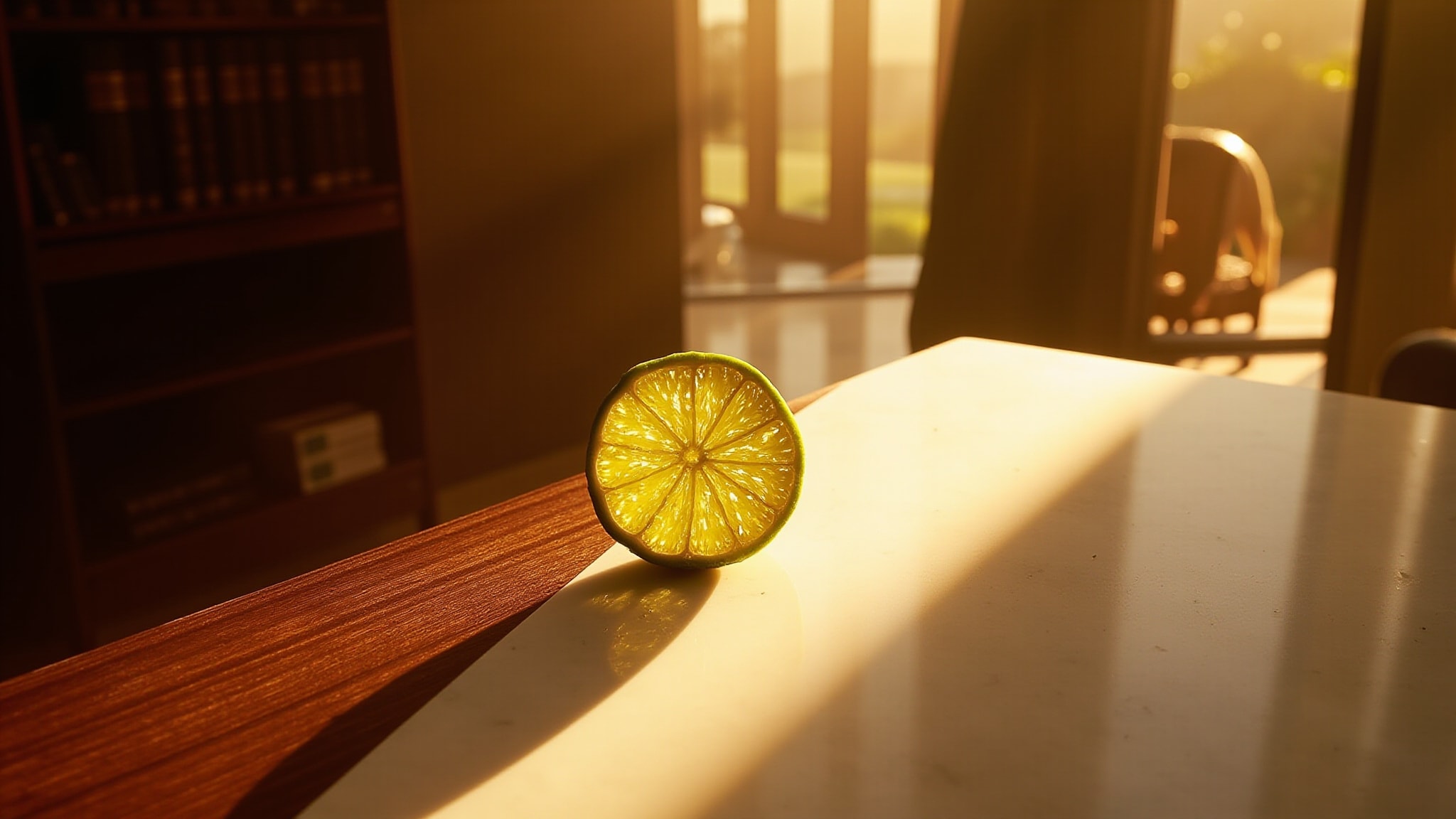
The opening hits sharp and bright. Lime and bergamot lead with a citrus bite that reads almost effervescent, a nod to the tonic origins that inspired the composition. Nutmeg and cinnamon sit underneath, warm and slightly medicinal. The first thirty minutes are all about that carbonated spark. The carbonation fades. Lime steps back. What's left is the interesting part, Brazil nut, iris, and clary sage arrive together, a trio that doesn't announce itself. It's dry, slightly bitter, almost medicinal in the best way. The iris adds a powdery edge that softens the nuttiness without sweetening it. This is the heart's job: a slow reveal, nothing sudden. The vetiver takes over. Around it gathers sandalwood's cream, cedar's warmth, vanilla's quiet sweetness, and patchouli's earth. The opening fizz is gone. The heart lingers, dry, powdery, a little animal. This is where Bluff earns its name.
Cultural impact
Bluff arrived as a vetiver-forward composition structured around three movements: bright citrus at the opening, dry nutty heart, woody base. Fontaine's approach frames vetiver not as a single-note feature but as a structure, building the composition around its mineral-earth core. The fragrance found its audience among people who wanted something that revealed itself gradually rather than simply announcing its presence from the start. What emerged was a scent that invited close attention, something to be discovered rather than declared.