Brazil nut
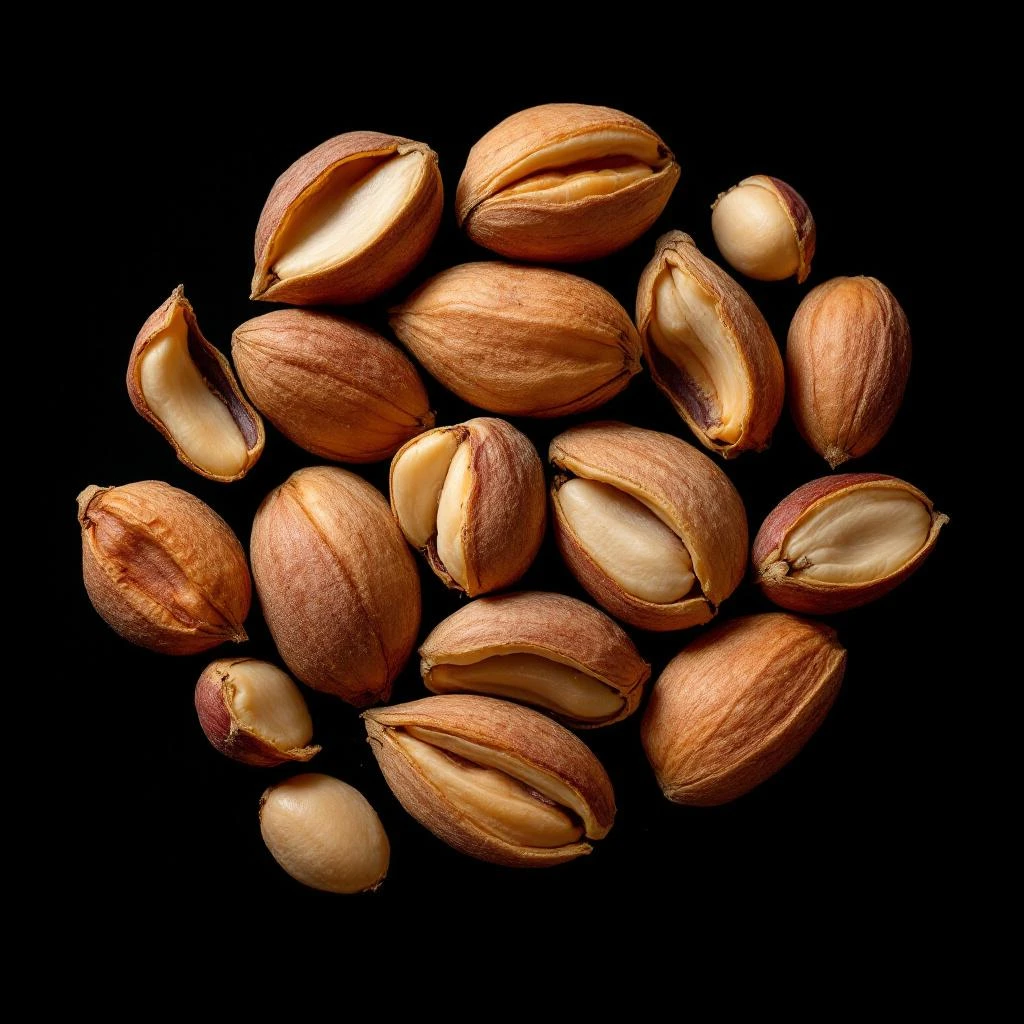
A creamy, nutty note that adds depth and a subtle buttery richness to modern compositions.
Character
How it smells
Nutty warmth captured in liquid gold.
Brazil nuts are the only edible seeds that grow inside a fruit the size of a small watermelon, and a single tree can produce up to 2,500 kilograms of nuts each year.







Origin
Brazil
Indigenous peoples of the Amazon have used Brazil nut oil for centuries as a skin protectant and ceremonial balm. European explorers recorded the oil's presence in the 16th century, noting its use in polishing wooden artifacts.
By the early 1900s, French perfumers began experimenting with the oil as a natural fixative, appreciating its ability to extend the life of volatile ingredients. In the 1930s, Brazil nut oil entered the cosmetics market, featured in soaps and early perfume bases.
Its hardening property made it valuable for solid perfume sticks, while its subtle scent added a warm backdrop to chypre and oriental blends. Today, sustainable harvesting programs in the Amazon ensure that the oil supports both local economies and forest conservation.
Wears it best
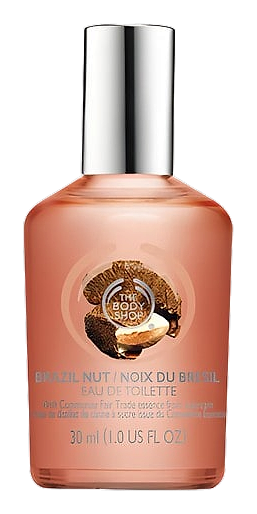
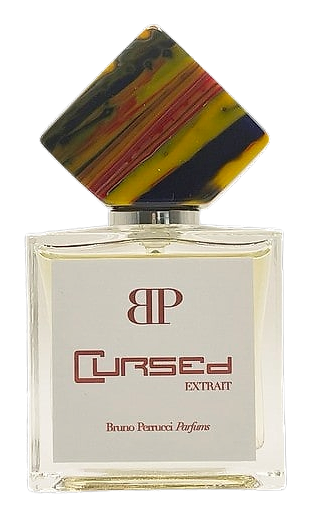
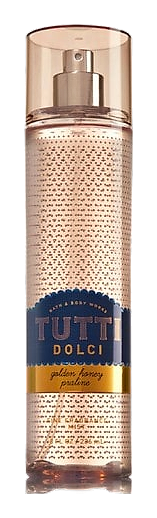
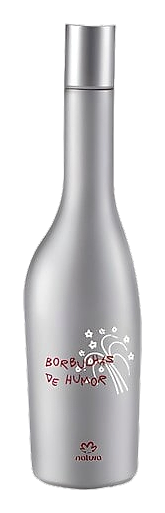
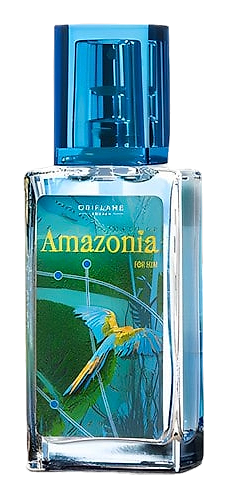
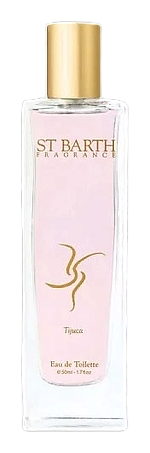
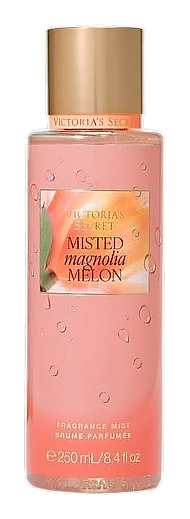
Fragrances featuring Brazil nut



Brands
Brands known for Brazil nut
Good to know
Questions, answered
The essentials on Brazil nut in perfumery: how it smells, where it comes from, and how it behaves on skin.
What aroma does Brazil nut contribute to a fragrance?
It adds a creamy, buttery nutty scent with faint hints of caramel. A sensory panel measured the note’s intensity at 3.2 on a 5-point scale in a 2022 comparative study.
Is Brazil nut oil safe for skin application?
Yes, it is generally regarded as non‑irritating for most skin types. Dermatological testing in 2021 showed a 0.5% incidence of mild irritation among 200 volunteers.
How is Brazil nut oil extracted for perfumery?
The oil is obtained by cold‑pressing dried seeds at temperatures below 40 °C. The process yields approximately 55 % oil by weight, according to a 2020 industry report.
What role does Brazil nut play in perfume composition?
It acts as a natural fixative, slowing the evaporation of top notes. In a 2019 formulation test, the presence of Brazil nut oil extended the scent’s longevity by 18 %.
Are there sustainability concerns with Brazil nut sourcing?
Harvesting supports forest conservation because trees are left standing to produce future crops. The Amazon Sustainable Harvest Initiative recorded a 12 % increase in forest cover near nut‑collecting communities between 2015 and 2020.
What is the flash point of Brazil nut oil?
The oil’s flash point is around 260 °C, making it safe for standard perfume manufacturing processes. Laboratory analysis in 2022 confirmed this value using ASTM D93 testing.
How long does Brazil nut oil remain stable in a fragrance?
When stored in dark glass at 20 °C, it retains its aromatic profile for up to three years. Stability testing by a major fragrance house in 2021 showed less than 5 % degradation over that period.
Can Brazil nut oil trigger allergic reactions?
It may cause reactions in individuals with tree‑nut allergies, though incidents are rare. A 2018 clinical survey found 1.2 % of participants with known nut allergies reported mild symptoms after exposure.





