
The Story
Why it exists.
The beginning
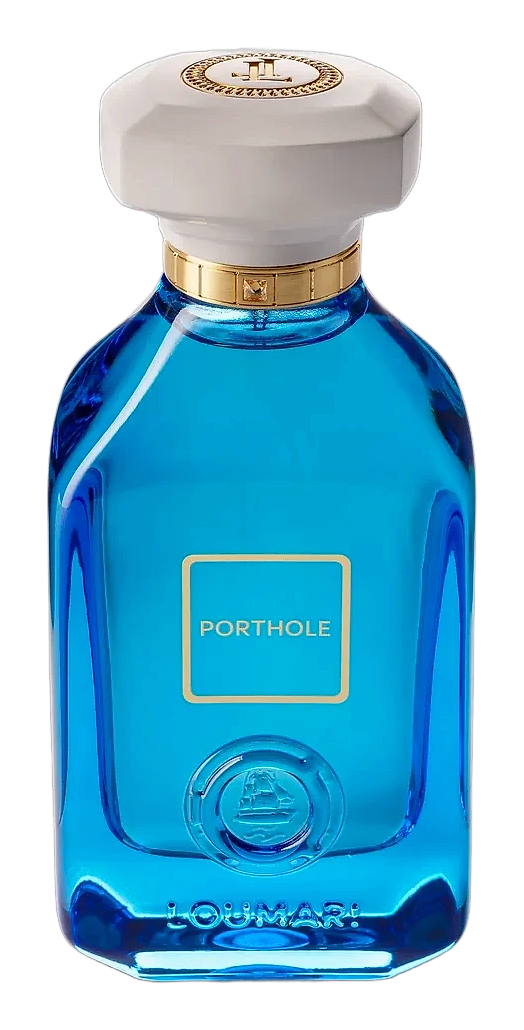
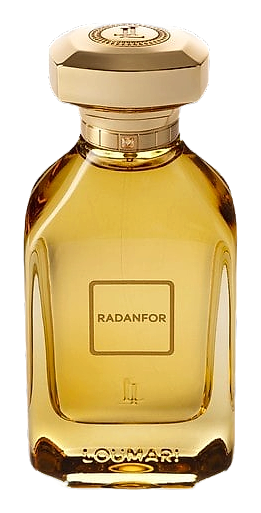
Radanfor arrived in 2026 as part of Loumari's Costumes de l'Âme collection, a series that treats each fragrance as a garment the soul might wear. The composition came from Julien Rasquinet, a perfumer whose work has appeared across a range of contemporary releases. Radanfor sits firmly in the resinous-pepper territory the collection has been exploring, a place where frankincense, myrrh, and oud meet the sharper, more mineral edges of spice. Loumari's material vocabulary is broad and deliberately so, pulling oud, myrrh, and frankincense alongside pepper, iris, and the soft whites of orange blossom. The house composes with an eye toward density and texture, treating resinous materials not as accents but as load-bearing elements.
What's interesting here is the structural tension between the top and the heart. Black pepper, pink pepper, and cardamom hit fast, bringing a cold, almost metallic edge that tightens the skin on contact. Most wearers expect the composition to stay in that territory, to keep its distance and its sharpness, and for the first few minutes it does. Then the frankincense arrives, and the temperature shifts entirely. The iris and orange blossom move through the resin at the same time, softening what the smoke might have become if it were left alone.
The evolution
The opening belongs entirely to the peppers. Cardamom leads, but the black and pink peppers underneath it give the first contact a cold, sharp edge, the kind of clarity that tightens the skin. Then the frankincense enters, and the whole composition seems to tilt on a hinge. The cold doesn't disappear; it sinks beneath a warm, resinous wave that builds steadily over the next stretch of wear. Iris powder settles in, softening what the peppers started, and the orange blossom appears in the background like light through a curtain, distant but present. By the time the composition settles into its middle phase it has become something quieter, warmer, more intimate. Myrrh takes over from the frankincense, and the vanilla underneath it stops smelling sweet and starts smelling structural, almost architectural in how it holds the base together.
Cultural impact
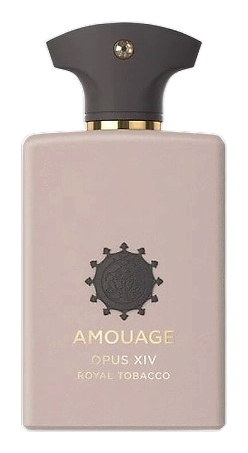
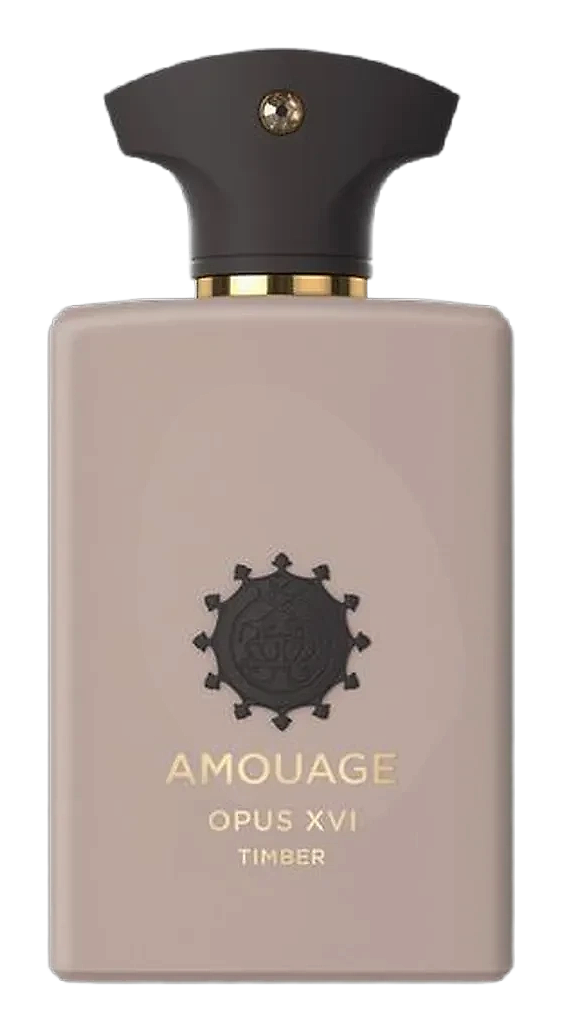
Radanfor has drawn comparisons to other resinous compositions in the contemporary niche landscape, with Amouage's work appearing frequently in similar-fragrance lists alongside it. The composition reads as a serious, church-adjacent spicy oriental, the kind of scent that wears closer to incense than to mainstream perfumery's brighter territory. The frankincense-led structure places it firmly in conversation with other resinous releases, and the cold, sharp opening gives it a recognizable signature. Wearers who connect with the composition tend to respond to its textural complexity, the way the smoke never fully settles into one register.