
The Story
Why it exists.
The beginning
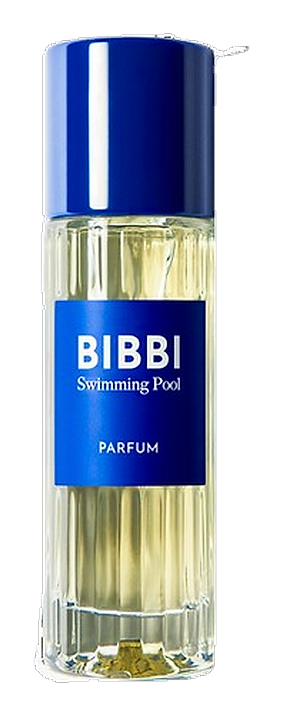
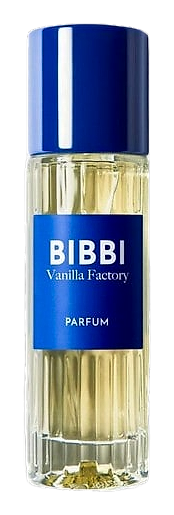
Vanilla Factory arrived in 2024 as a release from Bibbi Paris. While the house doesn't publicly document specific inspiration for each release, the name promises sweetness. The scent delivers something deeper: introspective, unexpected, not for everyone. Stina Seger, the designer behind the brand, is known for a relentless passion for scent that shows in her work. The collection includes fragrances like Swimming Pool, Ghost of Tom, and Soap Club, each standing apart in character.
What makes this composition unusual is the black amber. Not vanilla, black amber. Dark, smoky, resinous, it anchors the entire drydown and dominates the experience far more than the title suggests. Papyrus adds a dry, papery quality that provides textural contrast. Patchouli brings earthiness that prevents the whole thing from tipping into syrup. The vanilla is there, but it's been asked to play a supporting role. Warm spice and earth instead of sweet comfort.
The evolution
The opening spark of bergamot gets swallowed immediately. Heavy amber takes over within minutes. The pepper and nutmeg provide slight freshness, but make no mistake, this is dense. As it develops, peony emerges alongside saffron and black tea. The peony is the surprise, floral and slightly sweet, it resists the amber's heaviness and keeps the mid-stage from becoming overwhelming. Then the base arrives: patchouli, papyrus, black amber, and vanilla. Patchouli's earthiness prevents the vanilla from going sweet. Papyrus adds a dry, papery quality that lingers in the air after the top notes have faded. The overall trajectory moves from bright citrus into warm resin and stays there, with each stage layering depth upon depth.
Cultural impact
Vanilla Factory appeals to those seeking an alternative to conventional vanilla fragrances. Wearers who find typical sweet vanillas predictable may discover something more complex here. The name draws attention, prompting curiosity about whether the scent matches expectations or subverts them. For those drawn to darker, more resinous interpretations of sweet notes, this offers a compelling counterpoint to the title it carries.