
The Story
Why it exists.
The beginning
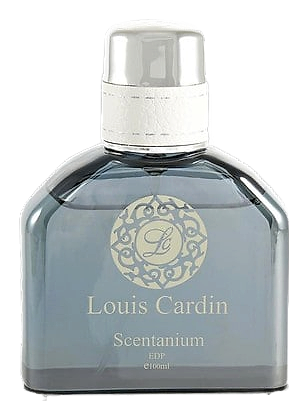
Scentanium arrived in 2014 as part of Louis Cardin's early catalog, a focused lineup that signaled the house's intent to build a serious presence in fragrance. Its name suggests something elemental, stripped back to the kind of raw material you'd find in a well-stocked perfumer's organ. The composition speaks a precise, almost architectural language: bright, measured, engineered for daily rotation rather than occasional spectacle. The opening hits with a clarity that reads almost utilitarian, citrus sharpened by herbal cool, before settling into a woody base that grounds the lift without smothering it.
What makes Scentanium interesting is the way it stacks two citruses against a fully woody base, then threads mint through the drydown to keep the whole thing from settling into predictability. The aromatic-spicy accord in the heart does the heavy lifting, patchouli and rosemary meeting in a herbal crossroad that most fragrances avoid. The patchouli here is dry and almost mineral, more root than earth, and the rosemary sharpens rather than softens, cutting into the citrus brightness with a green, resinous edge that keeps the heart alive long after the top notes have burned off.
The evolution
The first ten minutes belong to lemon and cardamom, sharp enough to read almost instantly, cutting straight through. Rosemary joins within minutes, cooling the edges into something herbal and almost bracing, its green character folding into the citrus like cold water poured over a warm surface. The heart settles slower than expected, apple softening the citrus brightness with a quiet, rounded sweetness that keeps the opening from feeling aggressive. Bergamot arrives late to add a second skin of freshness, layering over the existing citrus rather than replacing it, so the top accord gains depth instead of simply shifting. Patchouli hums underneath from early on, grounding the lift with a dry, rooty warmth that most people won't consciously identify but everyone will feel. As the fragrance moves past its opening phase, the base arrives with patience.
Cultural impact
Scentanium arrived in 2014 as part of Louis Cardin's first wave of fragrances, a focused release that helped establish the house's catalog during a period when regional perfumery was diversifying beyond traditional Arabian profiles. The aromatic citrus structure, with its cardamom-rosemary-led opening and woody base, gave the scent a character that felt accessible to a wide range of buyers while still carrying enough herbal and resinous depth to feel distinctive.