The Story
Why it exists.
The beginning
Casa de Campo began with a question: what does Madrid smell like when it stops performing? The park itself provided the answer, green spaces that were once royal hunting grounds, now a place of escape where city dwellers find respite. Loewe's perfumer worked to translate this environment into scent. The brief was simple: capture the vitality of the place, its shade, its resinous oak, the way green things smell after rain, the coolness of morning air over damp earth. What emerged isn't a love letter to nostalgia. It's an olfactory map of something alive and breathing.
The structure is deceptively simple, violet, sandalwood, musk. But the magic lives in the proportions and the resinous complexity Loewe builds beneath. Violet brings the powdery floral surface, the coolness that reads almost medicinal at first. Sandalwood adds the creamy woodiness, the warmth that keeps it from floating away. And musk acts as the connecting element, adding depth and richness to the composition. A slight green acidity threads through, suggesting an untamed quality.
The evolution
The opening hits cool and powdery, violet dominant, with a green sharpness that surprises. Thirty minutes in, the sandalwood emerges. Creamy now, warmer, but still holding that slightly sour undertone from the top notes that refuses to fully dissolve. This is where most fragrances find their lane. Casa de Campo keeps working. The drydown arrives around the two-hour mark: musk asserting itself, the resinous complexity surfacing, the whole composition settling into something intimate and close. On skin, it varies, some wearers report the full arc, others find it fades earlier. What lingers longest is the violet-muskit base. The next morning, there's a ghost of it at the wrist. Not projection. Presence.
Cultural impact
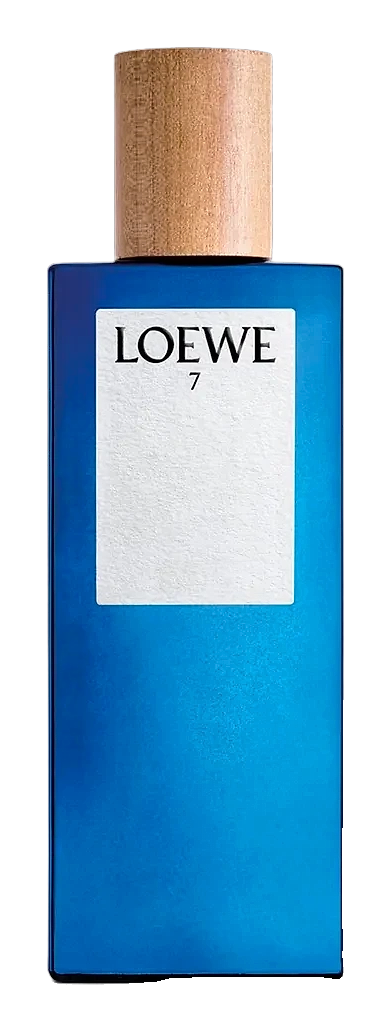
Casa de Campo arrived as part of Loewe's Un Paseo Por Madrid collection, a collection that corresponds to distinct Madrid landmarks. Each fragrance in the collection maps a different aspect of the city, from parks to plazas to private estates, with Casa de Campo representing the green spaces that once served as royal hunting grounds. The violet-forward approach represents a different direction for the house, bringing a cool, powdery floral quality to the composition while maintaining the brand's Spanish character through the resinous complexity beneath.
The House
LoeweLoewe stands apart as a Spanish luxury house with a German soul. Founded in Madrid in 1846 by a collective of leather craftsmen, the brand took its name when German merchant Enrique Loewe Roessberg arrived in 1872 and unified operations under his banner. Today, under creative director Jonathan Anderson since 2013, Loewe channels its obsessive dedication to craftsmanship into a distinctive perfumery program led by in-house perfumer Nuria Cruelles, one of the few female noses heading a major fragrance house. The result is perfumes rooted in Spanish vitality, artisanal tradition, and an uncompromising pursuit of quality.
The Creator
Núria Cruelles BorrullHer style is grounded and naturalistic, with an Iberian warmth that reads as distinctly Loewe. She favors fresh, green, and botanical materials and has shown particular skill with the texture of leaves and stems, most visibly in her celebrated Tomato Leaves soap.