
The Story
Why it exists.
The beginning
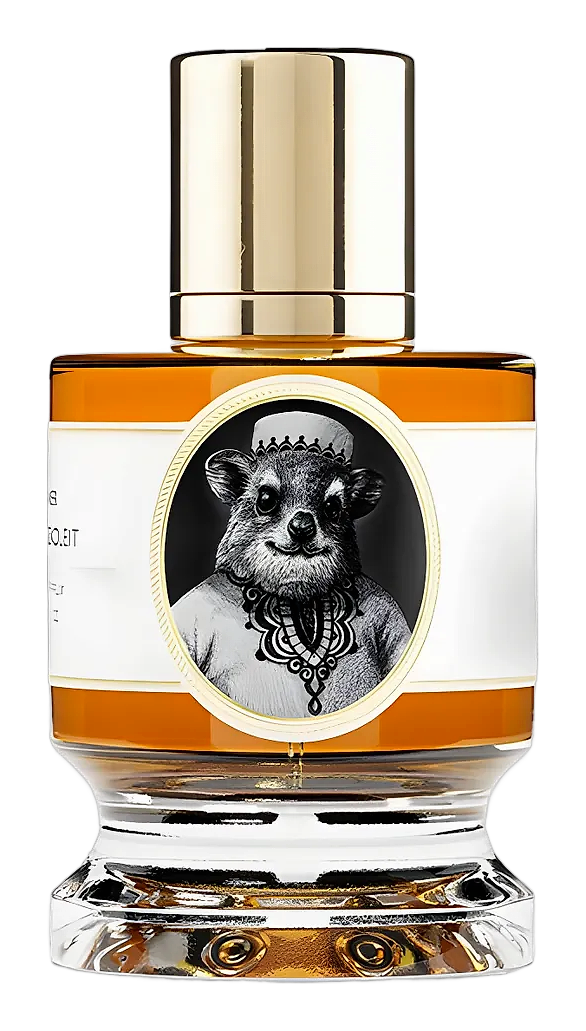
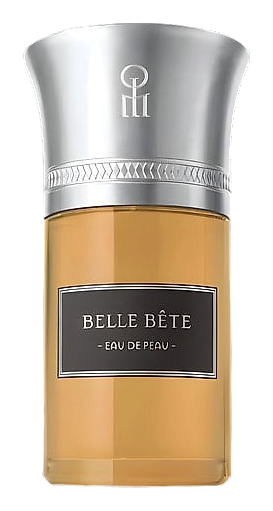
Belle Bête emerged from Les Liquides Imaginaires' Eaux de Peau collection in 2016, a series built around the skin itself as a material, what it absorbs, what it releases, what lingers after close contact. The name means 'beautiful beast' in French, and Carine Certain Boin took that duality seriously. Not a fragrance that smells nice. A fragrance that smells alive.
The key materials here are the animalic triad: civet, castoreum, and costus. These aren't subtle background players. On their own, they're organic, almost feral. What makes Belle Bête work is the framing, suede wraps the animalic notes in something soft, while ambrette (Musk Mallow) adds a clean musk that keeps the whole thing from going dirty. It's the contrast that makes the fragrance distinctive. Powdery iris and hazelnut at the top, then the animalic base arrives and stays.
The evolution
The opening is warm and powdery, hazelnut and clary sage give it softness, then the saffron and red chilli pepper arrive with a quick spike of heat. That opening lasts about 30 minutes before the heart takes over. Coffee and cashmeran smooth everything into something almost sweet, almost creamy. Indonesian patchouli and Haitian vetiver keep it grounded. This heart phase lasts 3-4 hours and is where most people fall in love. Then the base arrives. Suede and ambrette give the illusion of cleanliness, but civet, castoreum, and costus are underneath, doing their thing. This is the drydown that people either love or find too much. The animalic notes can project more on some skin than others. The next morning, if you shower, the suede and musk linger in the fabric of your clothes.
Cultural impact
Belle Bête sits in the niche animalic space, appealing to wearers who want fragrance that challenges rather than comforts. The Eaux de Peau collection investigates skin as a material, and this fragrance does exactly that, it smells like something that was close to someone. The polarizing reviews reflect the fragrance doing exactly what it intended.