
The Story
Why it exists.
The beginning
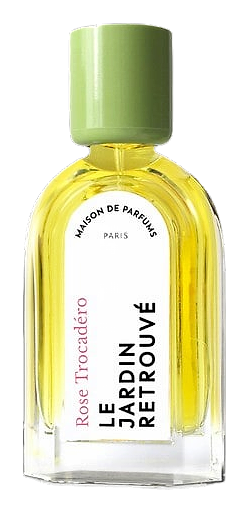
Paris, the late 1970s. The Trocadéro Gardens stretch between the Eiffel Tower and the Seine, fountains, sculpture, the modern palace rising above it all. The garden sits formal and wild at the same time, green against stone, roses along the walkways that led nowhere and everywhere. The atmosphere captures that specific stretch of the city in afternoon light. Not a single perfect rose from a florist's bouquet, but the whole garden, dewy, green-stemmed, alive. The roses grow thick along the pathways, their fragrance mingling with cool air from the fountains. The name came from the place itself.
What makes Rose Trocadéro unusual is the structural tension Gutsatz built into it. Two rose expressions, an absolute for depth and a green rose for freshness, give it a dual nature from the start. Blackcurrant bud amplifies the green, wine-like quality rather than the fruity sweetness you might expect from other cassis materials. The clove and geranium introduce an aromatic complexity that keeps the composition from reading as merely sweet or powdery. Honey and musk form a base that supports without overwhelming. It's a rose designed to argue with itself.
The evolution
The opening hits immediately, rose absolute arriving fresh and generous, blackcurrant bud brightening the green edges. There's no hesitation here, no soft build. The rose announces itself and means it. Within minutes, geranium arrives with its minty-herbaceous character, adding a cool counterpoint that prevents the rose from feeling heavy. Clove weaves through the heart alongside lavender, bringing an aromatic spice that surprises and complicates. This is where the composition earns its reputation, that green-floral-spicy tension holding steady. The base settles into honeyed warmth, musk wrapping close. Projection stays moderate throughout. The whole arc maintains its character from start to finish, intimate and coherent, leaving a quiet rose-and-musk trail that only someone standing nearby would notice.
Cultural impact
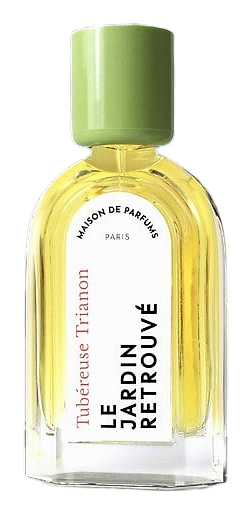
Rose Trocadéro holds a quiet place in Le Jardin Retrouvé's catalog, not the house's most famous work, but among its most characteristic. The release belongs to a period of distinctive perfumery. Those who seek it out tend to be rose lovers looking for something with more complexity than most. The green-blackcurrant-floral structure gives the composition an unusual architecture, creating tension between crisp fruitiness and verdant notes. The overall effect feels like a garden in motion rather than a static floral portrait.