The Story
Why it exists.
The beginning
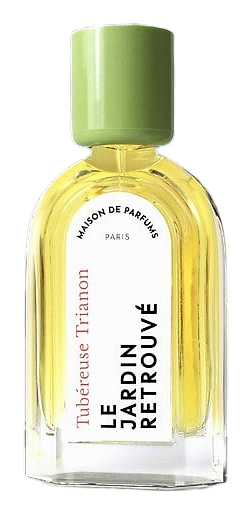
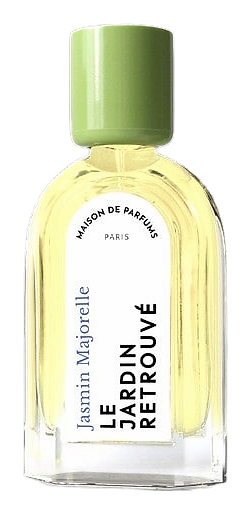
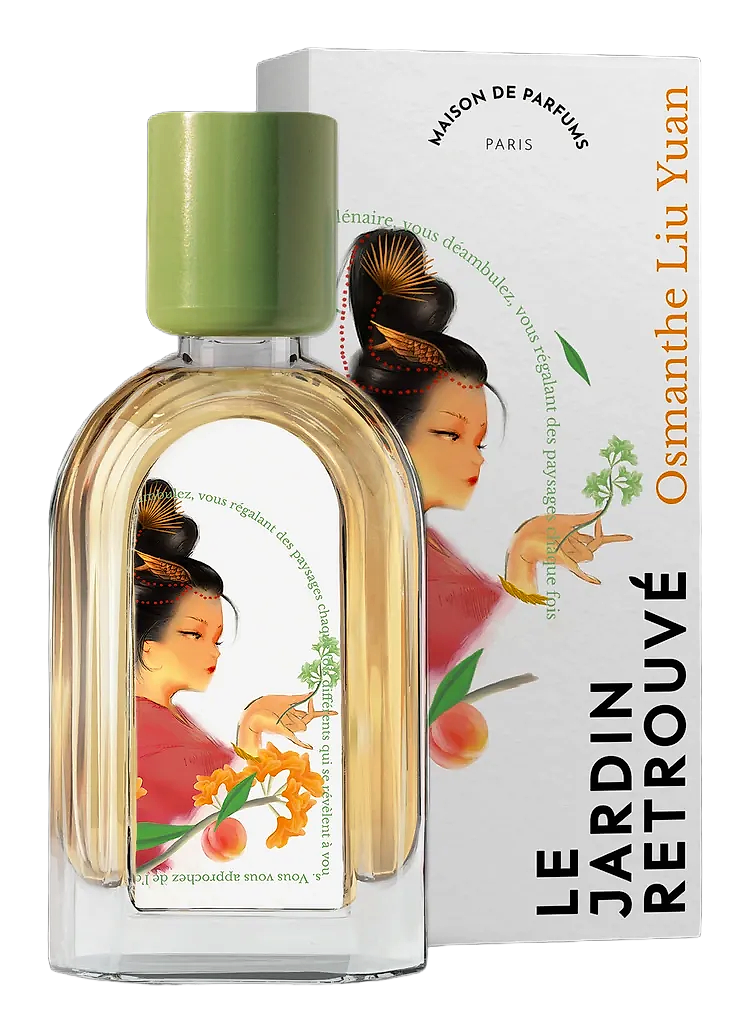
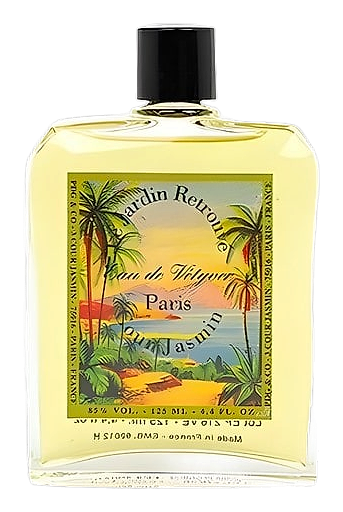
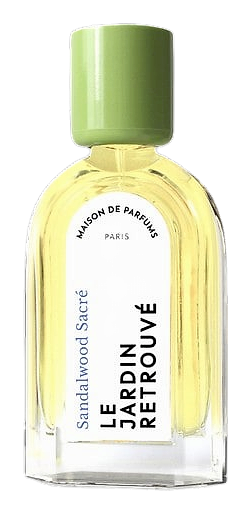
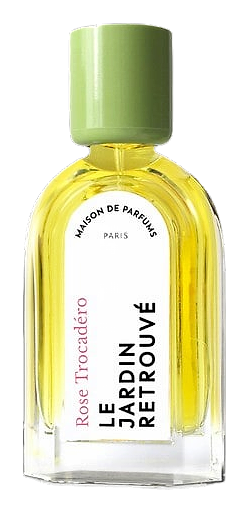
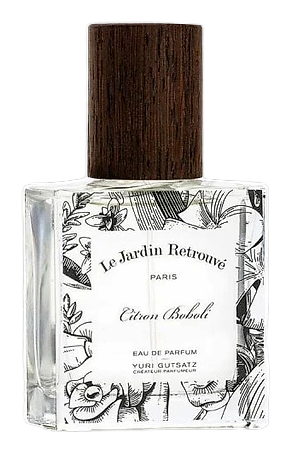
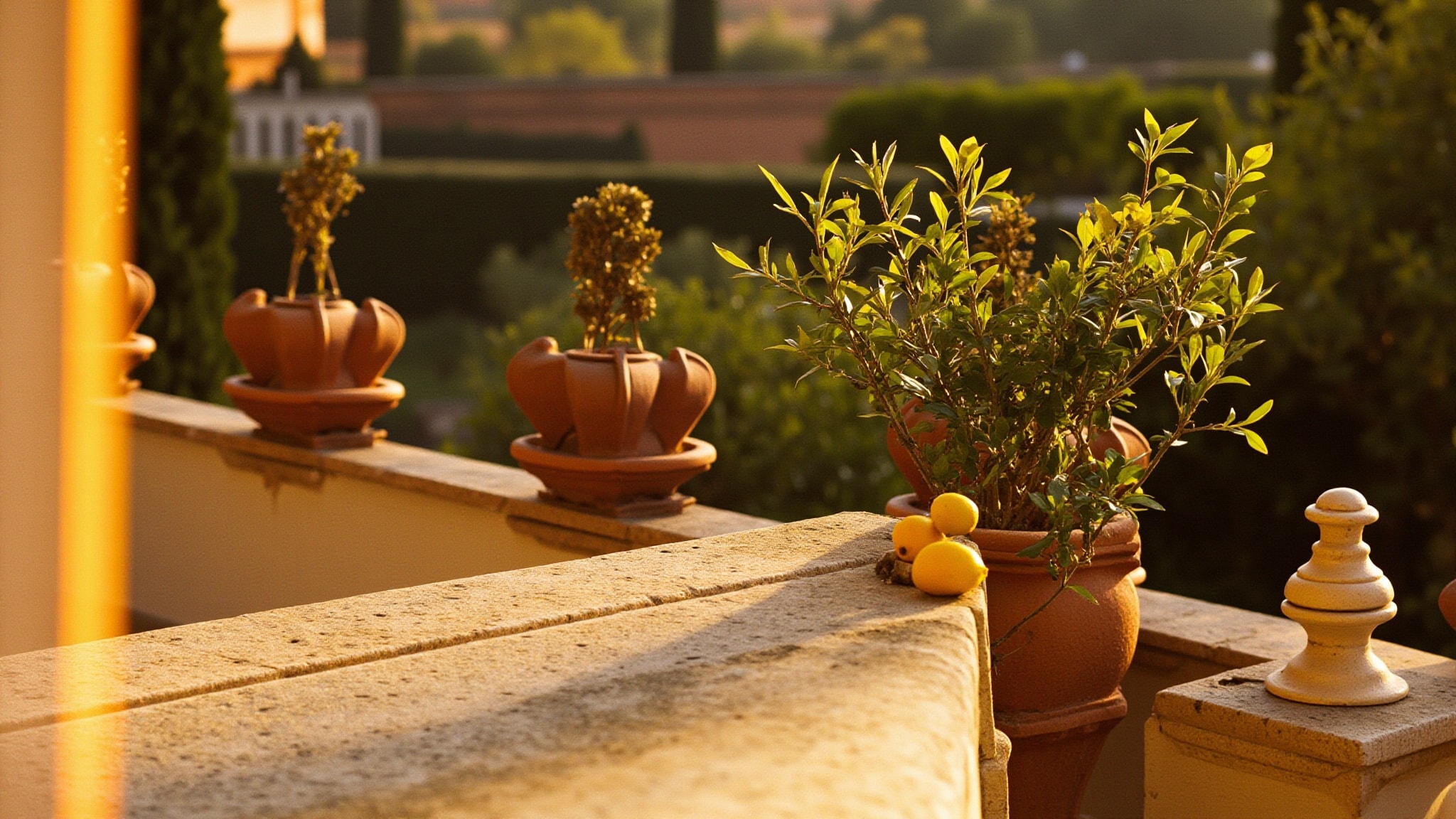
The name draws from the Boboli Gardens in Florence, where lemon trees have been cultivated in terracotta pots for centuries against the Tuscan landscape. Le Jardin Retrouve, founded in 1975, revives classical European fragrance traditions through artisanal sourcing and a devotion to natural materials. Perfumer Maxence Moutte composed Citron Boboli as an homage to the garden that inspired it, translating the interplay of citrus and Mediterranean greenery into a wearable form. The fragrance exists because of a desire to capture a specific place and its light.
The philosophy here centers on respecting the opening while building toward depth. The citrus is not a throwaway top note; it is the identity of the fragrance. The spice in the heart serves as a bridge, connecting the brightness of the start to the warmth of the finish. Vanilla and musk do not overpower; they complete. This approach requires patience from the wearer. The fragrance asks you to experience it as a whole rather than chasing immediate gratification. Pairings work best with clean lines in clothing. The scent itself is the statement.
The evolution
The opening establishes immediate clarity: lemon and lime are joined by petitgrain, orange, and the unexpected galbanum. This last ingredient transforms what could be a standard citrus into something more interesting. The green quality of galbanum cuts through the zest, creating tension. As the citrus recedes, the heart takes over. Clove and black pepper introduce warmth, their spice tempered by geranium and the subtle presence of cinnamon. The drydown completes the arc. Vanilla adds creaminess while musk anchors everything, keeping the fragrance close to the skin rather than projecting aggressively. This evolution is intentional, each phase building on the last rather than replacing it.
Cultural impact
Since its launch in 2016, Citron Boboli has become a reference point for modern garden-inspired perfumery, echoing the historic Boboli Gardens of Florence while translating that heritage into a contemporary French niche context. Its blend of lemon, lime, petitg rain and galbanum resonated with a generation seeking fresh, natural accords, influencing subsequent releases that emphasize green citrus motifs. The scent’s balanced spice and mellow base have been cited in numerous fragrance discussions as a bridge between classic citrus‑spice traditions and today’s minimalist aesthetic, cementing its role in shaping the narrative of garden‑centric fragrance design over the past eight years.