The Story
Why it exists.
The beginning
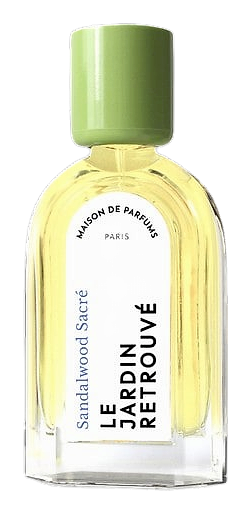
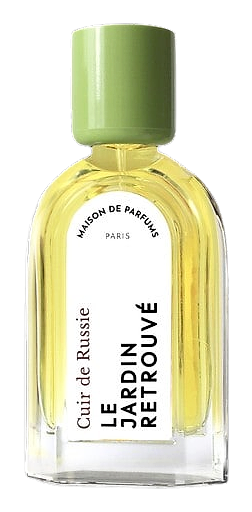
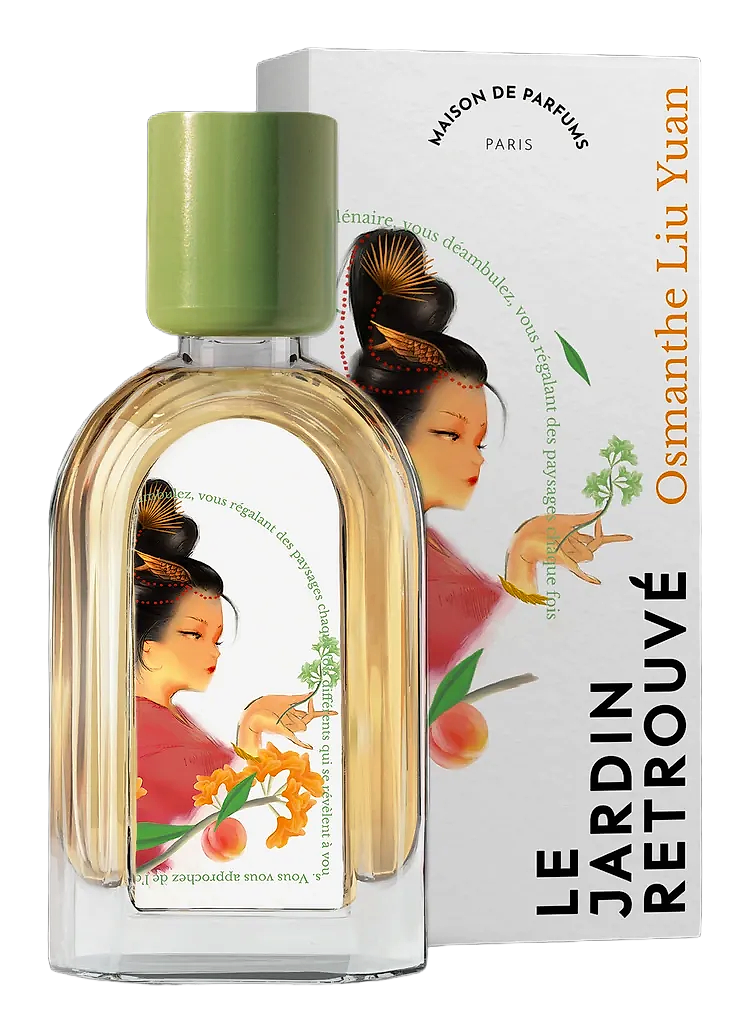
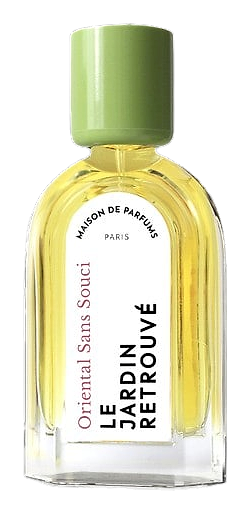
Created in 1963 by Yuri Gutsatz for Le Jardin Retrouvé, this fragrance carries a name that evokes a sense of lightness and ease. The composition reflects the era's approach to fragrance creation, with a structure that prioritizes depth and character over transient appeal. Wearers often note its ability to establish presence without announcement, making it a quiet yet memorable option for those seeking something distinct from mainstream offerings. The overall impression is one of considered craftsmanship, where each element plays its role in a larger composition designed to unfold rather than overwhelm.
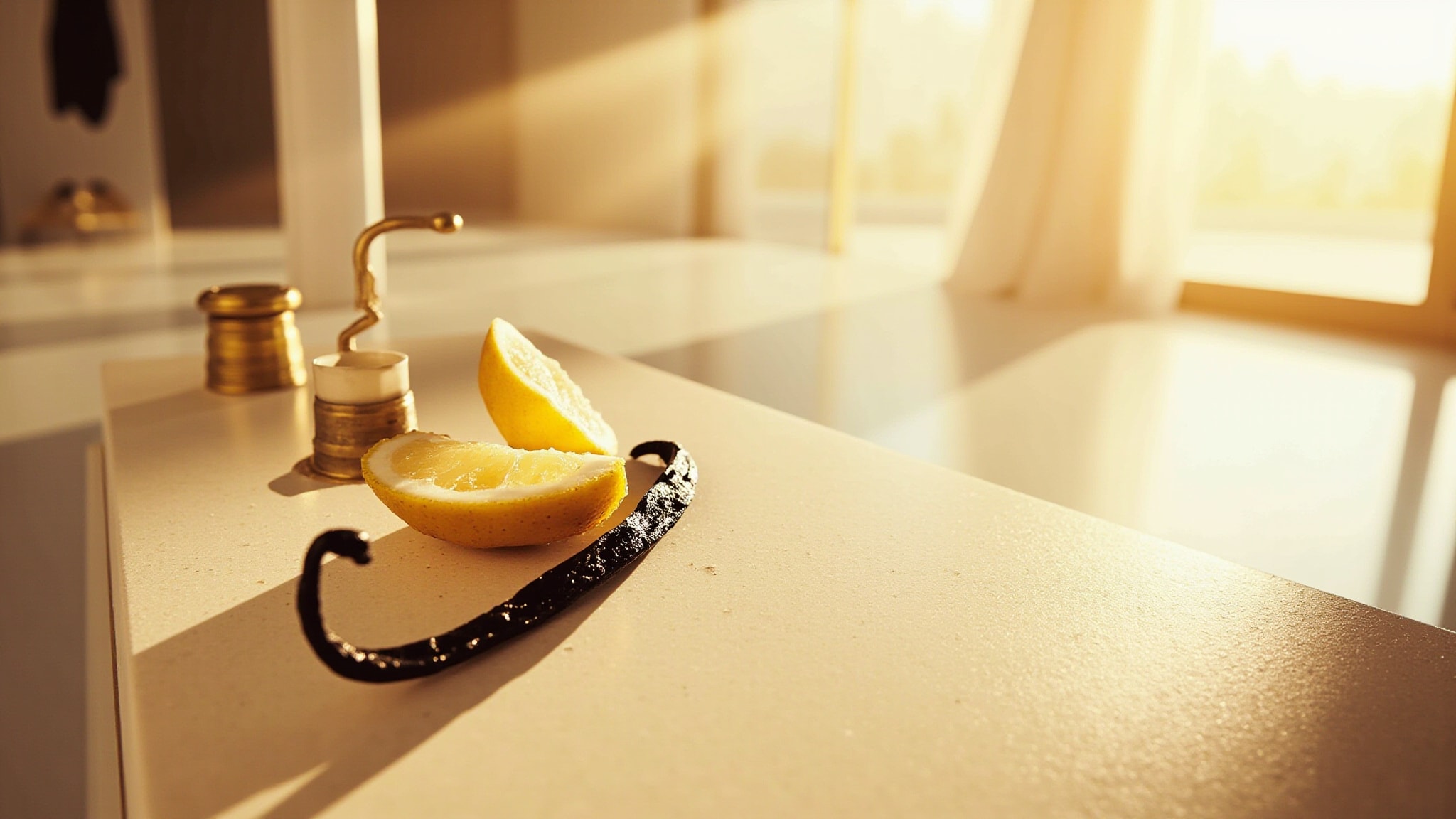
Bergamot and basil open the composition with bright, green clarity. The citrus notes provide an immediate lift while basil adds an aromatic edge that prevents the opening from feeling straightforward. As these top notes recede, jasmine and ylang-ylang emerge to form a floral heart, introducing warmth and softness into the fragrance. The jasmine contributes a classic, slightly indolic richness while the ylang-ylang adds a creamy, exotic quality that deepens the overall character.
The evolution
As the fragrance dries down, the base notes of ambergris and patchouli come forward, creating an earthy, grounding effect that anchors the earlier brightness. The ambergris lends a subtle, animalic warmth while the patchouli provides its characteristic leathery, slightly smoky depth. This combination transforms the initial crispness into something warmer and more intimate as time passes. The scent moves through distinct phases, beginning with its assertive opening and progressing through a rich floral heart before settling into this resinous foundation. Those who appreciate vintage oriental perfumery recognize this layered development as a hallmark of the style, where the fragrance reveals different facets rather than remaining static throughout wear.
Cultural impact
This heritage fragrance appeals to collectors who appreciate timeless elegance and the qualities associated with vintage oriental perfumery. Its 1963 creation places it within a period when perfumers often emphasized complexity, layering, and development over simple, immediate impressions. The fragrance offers a window into how older formulations approached scent composition, with a structure that rewards patience and close attention. For those interested in understanding the foundations of modern fragrance, such pieces demonstrate techniques and aesthetic choices that continue to influence contemporary perfumery.