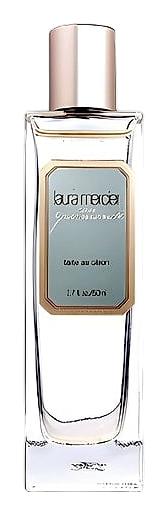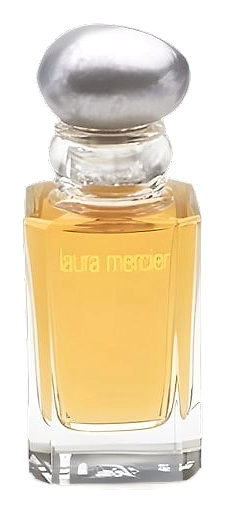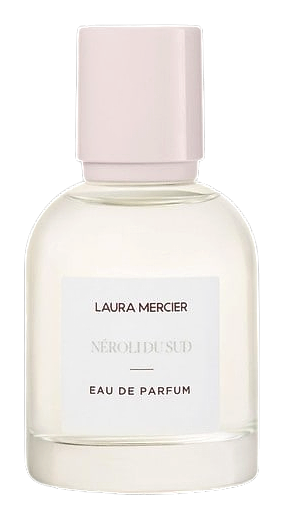

The Story
Why it exists.
The beginning
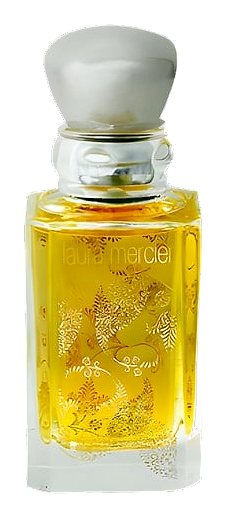
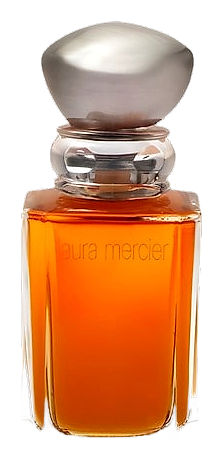
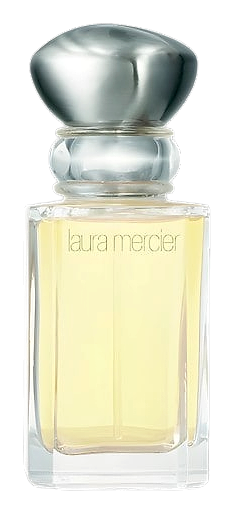
Nuits Enchantees arrived in 2008, a year when Laura Mercier's fragrance line was still finding its footing. Perfumer James Krivda built this one around a specific feeling: the charged warmth of a room that doesn't want the night to end. The name itself translates to Enchanted Nights, and Krivda leaned into that. Not literal magic. Just the chemistry of warmth, spice, and the hour after midnight when everything gets interesting.
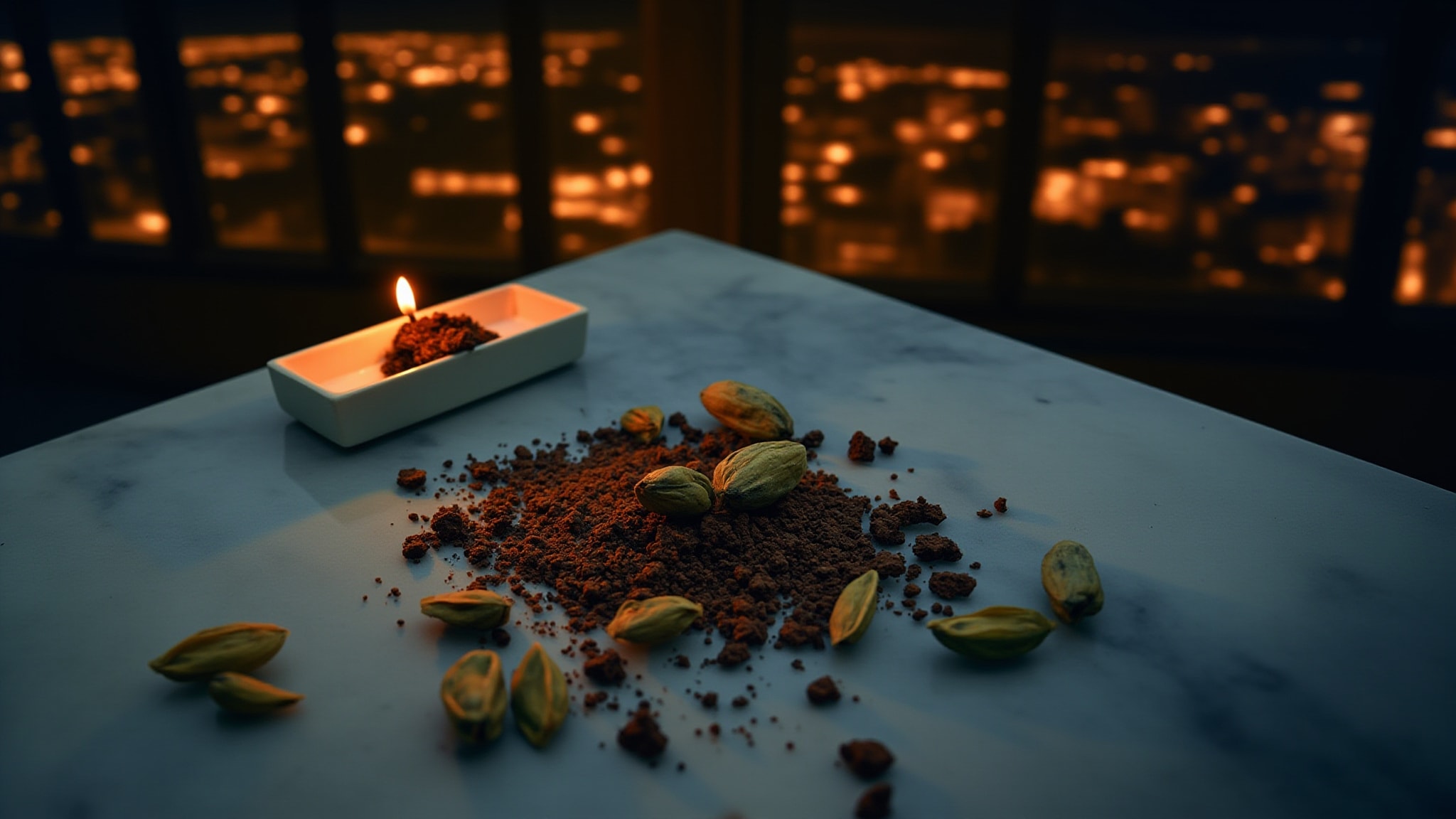
What makes Nuits Enchantees work is how the coffee note threads through everything. Most fragrances treat coffee as a drydown accent, a whisper. Here it arrives early and stays. Paired with bourbon vanilla, it creates a sweet-gourmand core that could easily tip into dessert territory. The guaiac wood and cedar keep pulling it back toward something earthier, more grounded. The spices (cardamom, ginger, allspice) do their work in the heart, adding heat without burning. Tuberose appears, fades, returns. It's not a linear fragrance. It breathes differently depending on where you are in the wear.
The evolution
Cardamom and mandarin open together, the citrus bright enough to feel like the first sip of something warm. Within twenty minutes, the woods arrive. Guaiac wood and cedar create a spiced canopy, with tuberose threading through like a floral whisper. The ginger keeps things moving, preventing anything from sitting too long. By hour two, the coffee emerges. Not roasted-bean aggressive. More like the smell of a café at closing time, when the last cup has gone cold and someone's still talking. Vanilla anchors everything that follows. Patchouli adds earth. The drydown is warm, powdery in places, intimate by hour six. On fabric, it lasts longer. Coffee and vetiver are the final notes to leave.
Cultural impact
Nuits Enchantees was discontinued, which has only deepened its appeal among those who tracked it down. The fragrance occupies an interesting space within Laura Mercier's lineup: warmer and more complex than the brand's typical soft-focus aesthetic. Wearers describe it as a cocoon, a wrap, a scent that feels like being held. The coffee-vanilla-patchouli combination draws comparisons to niche houses that cost significantly more. It wears best in cooler months and performs best after the opening, when the heart and base take over.
The House
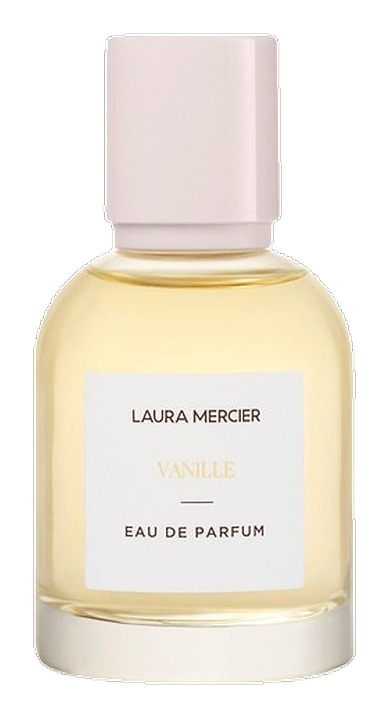
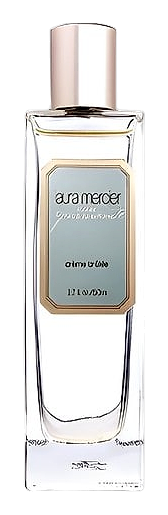
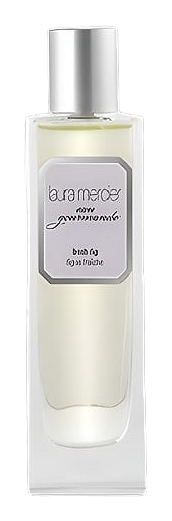
Laura MercierLaura Mercier, the French‑inspired cosmetics house founded in Los Angeles, entered the fragrance market in the mid‑2000s. The line balances the brand’s makeup ethos—soft focus, natural radiance—with scent compositions that range from warm amber to bright citrus. Signature offerings such as Ambre Passion (2005) and the recent Vanille Eau de Parfum (2022) sit alongside limited‑edition releases like Lumière d’Ambre (2013). Each bottle presents a minimalist silhouette, allowing the perfume itself to become the focal point of a personal grooming ritual.
The Creator
James KrivdaHis output is defined by range rather than a single signature. Krivda moves fluidly between mass-market blockbusters such as Britney Spears Fantasy and prestige collaborations, a versatility rooted in classical Firmenich training.