    Brand Profile

    Laura Mercier, the French‑inspired cosmetics house founded in Los Angeles, entered the fragrance market in the mid‑2000s. The line balances…More

    United States·Est. 1996·Site

    4.0

    Rating

    23
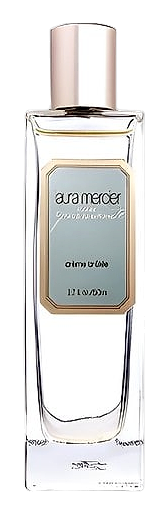
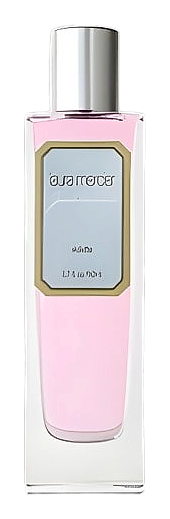
    Eau de Lune by Laura Mercier
    4.0

    Eau de Lune

    Minuit Enchante by Laura Mercier
    Best Seller
    4.5

    Minuit Enchante

    Nuits Enchantees by Laura Mercier
    Best Seller
    4.5

    Nuits Enchantees

    Ambre Passion Elixir by Laura Mercier
    Best Seller
    4.5

    Ambre Passion Elixir

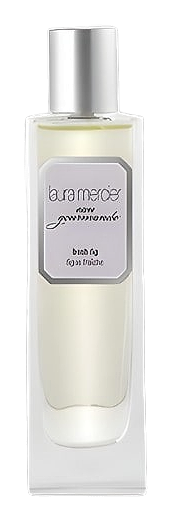
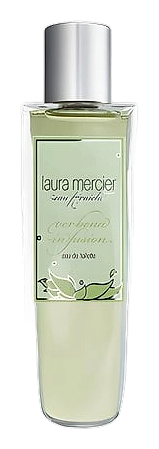
    Verbena Infusion by Laura Mercier
    4.4

    Verbena Infusion

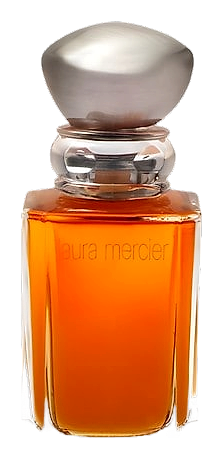
    Ambre Passion by Laura Mercier
    4.4

    Ambre Passion

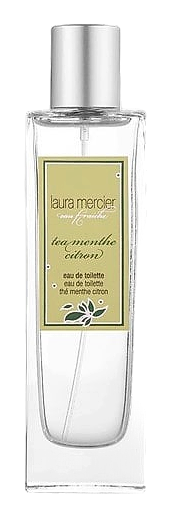
    Tea Menthe Citron by Laura Mercier
    4.4

    Tea Menthe Citron

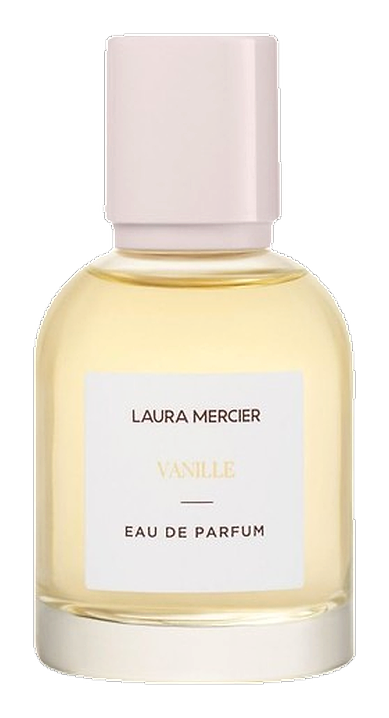
    Vanille Eau de Parfum by Laura Mercier
    4.3

    Vanille Eau de Parfum

    Lumiere D'Ambre by Laura Mercier
    4.2

    Lumiere D'Ambre

    Eau Gourmande Vanille Gourmande by Laura Mercier
    4.2

    Eau Gourmande Vanille Gourmande

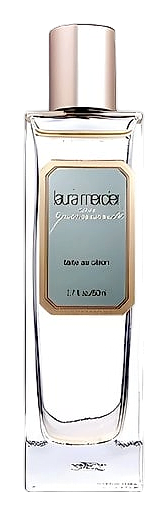
    Eau Gourmande Tarte Au Citron by Laura Mercier
    4.2

    Eau Gourmande Tarte Au Citron

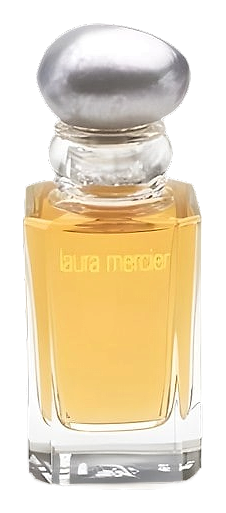
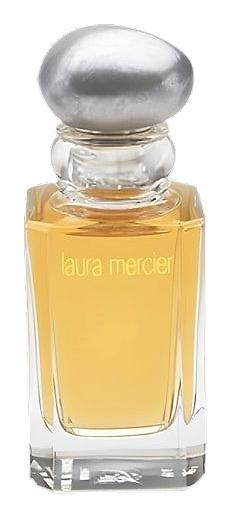
    L'Heure Magique by Laura Mercier
    4.2

    L'Heure Magique

    1 of 2

    The Heritage

    The Story of Laura Mercier

    Laura Mercier, the French‑inspired cosmetics house founded in Los Angeles, entered the fragrance market in the mid‑2000s. The line balances the brand’s makeup ethos—soft focus, natural radiance—with scent compositions that range from warm amber to bright citrus. Signature offerings such as Ambre Passion (2005) and the recent Vanille Eau de Parfum (2022) sit alongside limited‑edition releases like Lumière d’Ambre (2013). Each bottle presents a minimalist silhouette, allowing the perfume itself to become the focal point of a personal grooming ritual.

    Heritage

    Laura Mercier began as a makeup artist in Paris before moving to New York, where she opened a boutique in 1996 that quickly became a destination for celebrities seeking a "flawless‑but‑effortless" look. The cosmetics brand grew through the late‑1990s, earning a reputation for natural‑looking finishes and a philosophy that beauty should enhance rather than mask. In 2005 the company expanded into fragrance with Ambre Passion, a warm, amber‑rich scent that marked the first olfactory expression of the brand’s aesthetic. The launch was supported by a collaboration with a French perfumer, signaling a commitment to traditional perfume craftsmanship. Over the next decade the house introduced a series of niche‑style scents, including Lumière d’Ambre (2013), a luminous amber interpretation, and Verbena Infusion (2014), a bright, herbaceous offering. 2016 saw the release of Tea Menthe Citron, a fresh, tea‑infused citrus blend that broadened the line’s seasonal appeal. The most recent addition, Vanille Eau de Parfum (2022), revisits the brand’s early amber focus with a modern, sustainably sourced vanilla accord. Throughout its evolution, the fragrance portfolio has remained modest in size, allowing the house to maintain tight quality control and a cohesive scent narrative that mirrors its makeup philosophy. The brand continues to operate from its Los Angeles headquarters while production of the perfumes is carried out in Grasse, France, the historic heart of perfumery.

    Craftsmanship

    Production of Laura Mercier fragrances follows a traditional French model anchored in Grasse. Raw materials are sourced from regions known for specific notes: vanilla from Madagascar, bergamot from Calabria, and jasmine from Grasse itself. The house works with perfumers who specialize in natural‑extract blending, allowing the brand to achieve depth without relying heavily on synthetic aromachemicals. Each formula undergoes a multi‑stage testing process that includes stability trials, skin compatibility assessments, and blind panel evaluations to ensure consistent performance across climates. Bottles are crafted from recycled glass, and caps are molded from biodegradable polymers, reflecting a broader commitment to environmental responsibility. Quality control includes a final sensory review by the founder’s creative team, who assess the perfume’s alignment with the brand’s aesthetic goals before release. The limited batch sizes for each launch enable close monitoring of raw‑material batches, reducing the risk of variation and preserving the intended olfactory profile.

    Design Language

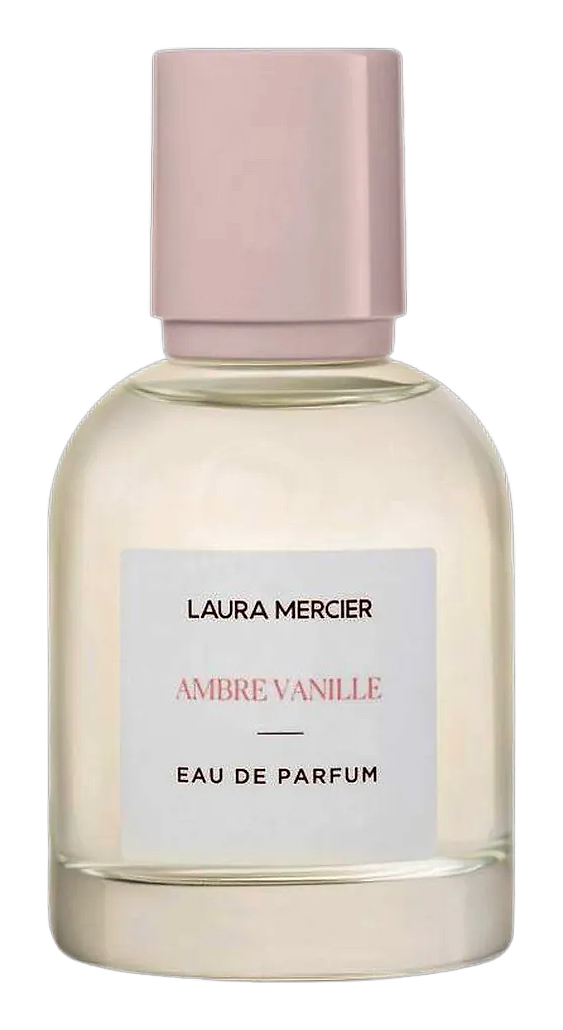
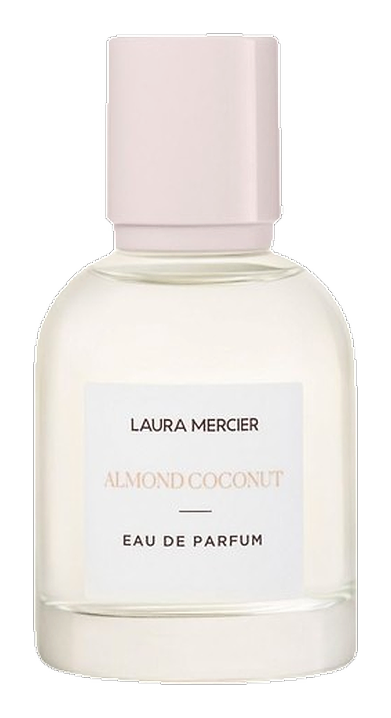
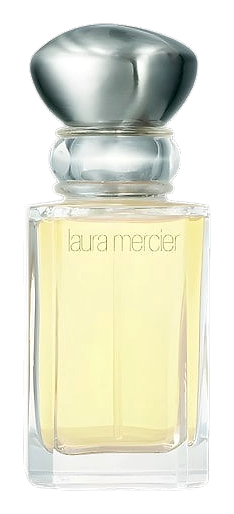
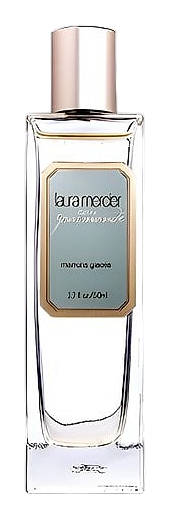
    Visually, Laura Mercier’s fragrance line embraces the brand’s signature soft‑focus aesthetic. Bottles feature clean, rectangular silhouettes with rounded shoulders, echoing the sleek lines of the makeup packaging. A muted pastel palette—often ivory, blush, or muted amber—dominates the exterior, while the label bears the brand’s elegant serif typeface in understated gold foil. Caps are simple, matte‑finished discs that sit flush with the bottle, reinforcing a minimalist vibe. The overall presentation suggests a quiet confidence, inviting the wearer to experience the scent without visual distraction. Marketing imagery typically pairs the perfume with natural light and subtle shadows, reinforcing the idea that the fragrance, like the brand’s makeup, enhances rather than dominates the wearer’s presence.

    Philosophy

    The creative vision behind Laura Mercier’s scents mirrors the founder’s makeup mantra: enhance natural beauty without overwhelming it. The brand treats fragrance as an extension of skin, aiming for compositions that feel like a second layer of light rather than a heavy statement. Sustainability and ethical sourcing are woven into the development process; ingredients such as vanilla beans are procured from farms that adhere to fair‑trade standards, and the company avoids animal testing wherever possible. Transparency is emphasized, with each launch accompanied by detailed ingredient disclosures. The house also values inclusivity, designing scents that appeal across age and cultural lines, reflecting the brand’s global clientele. Innovation is pursued through subtle reinterpretations of classic accords rather than radical departures, ensuring that each perfume feels both familiar and fresh. This balanced approach has cultivated a loyal following among consumers who appreciate understated elegance in both makeup and scent.

    Key Milestones

    1996

    Laura Mercier cosmetics founded in Los Angeles, focusing on natural‑looking makeup.

    2005

    First fragrance, Ambre Passion, launched, marking the brand’s entry into perfumery.

    2013

    Lumière d’Ambre released, expanding the amber‑centric line.

    2014

    Verbena Infusion introduced, adding a fresh, herbaceous dimension.

    2016

    Tea Menthe Citron launched, offering a tea‑infused citrus profile.

    2022

    Vanille Eau de Parfum released, featuring sustainably sourced vanilla beans.

    At a Glance

    Brand profile snapshot

    Origin

    United States

    Founded

    1996

    Heritage

    30

    Years active

    Collection

    1

    Fragrances released

    Avg Rating

    4.0

    Community sentiment

    Release Rhythm

    2022
    4
    2016
    1
    2014
    1
    2013
    2
    2011
    1
    2010
    1
    2008
    3
    2006
    5
    lauramercier.com

    Did You Know?

    Interesting Facts

    Distinctive details and defining moments that shape the house personality.

    01

    Laura Mercier began her career as a makeup artist for runway shows before establishing her own brand.

    02

    Ambre Passion was developed in partnership with a perfumer who previously crafted scents for major French houses.

    03

    All fragrance bottles are made from at least 30% recycled glass, a figure verified by the brand’s sustainability report.

    04

    The vanilla used in the 2022 Vanille Eau de Parfum comes from a cooperative in Madagascar that practices agroforestry to protect local biodiversity.