
The Story
Why it exists.
The beginning
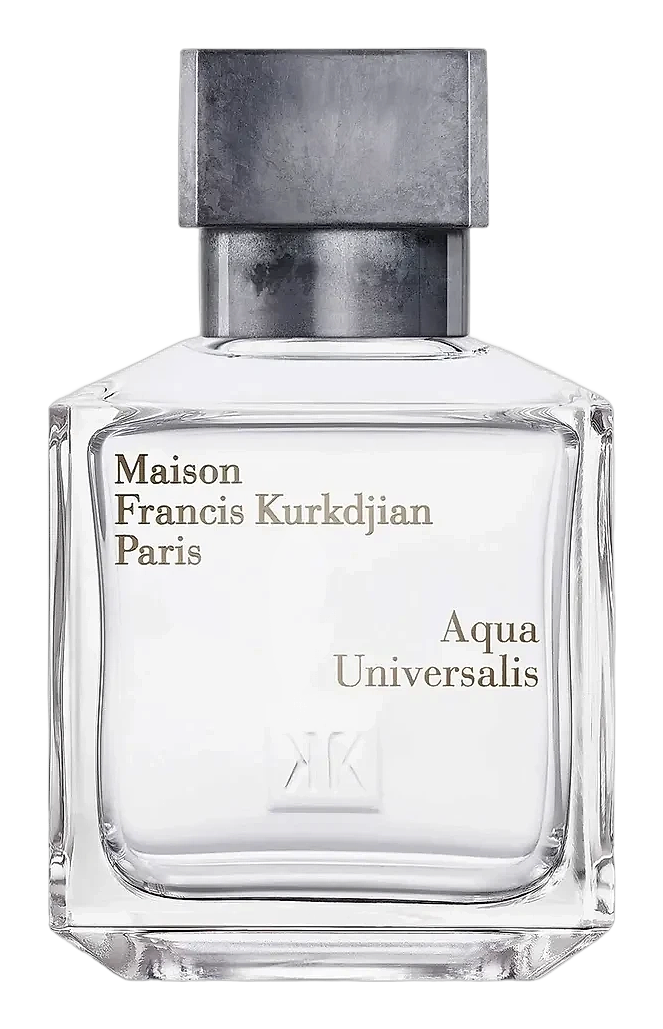
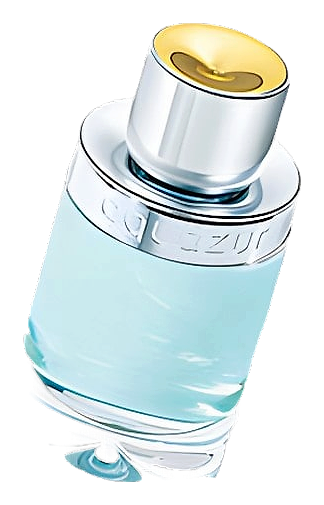
Francis Kurkdjian created Aquazur in 2004 as a tribute to the blue Mediterranean, its coastline, its light, the particular brightness of summer air along the Italian and French Riviera. Kurkdjian, known for his structural precision, wanted to translate the sensation of that coast into something wearable: not a beach fantasy, but the actual feeling of sun-warmed skin and sea air, held together by citrus and flowers. The name itself is a portmanteau, water and azure, pointing to both the sea and the sky above it. Aquazur wasn't designed as a statement fragrance. It was designed as a companion to warm weather, to open windows, to days that ask for something bright and uncomplicated.
What makes Aquazur structurally interesting is how Kurkdjian handles the transition from citrus to floral without the usual drop-off. Most fragrances in this family start bright and fade flat. Here, the sunflower note, an unusual heart ingredient, carries warmth through the middle phase while iris adds a powdery backbone that prepares the skin for the cedar-musky base. The result is a fragrance that reads as cohesive rather than episodic: one long, sunlit afternoon rather than a sequence of distinct moments. Lemon blossom in the heart is another quiet choice, it echoes the top note's citrus without repeating it, threading the composition rather than restarting it.
The evolution
The opening lasts about twenty minutes, bright, tart, immediate. Bergamot and mandarin orange arrive first, then the lemon verbena settles in and stays for the next hour or so, cooler and more herbal than the citrus that opened it. Then the florals take over: jasmine and rose carry the heart, but it's the sunflower and iris that do the real work, giving the middle phase a golden, slightly powdery warmth that shifts the fragrance from sharp daytime citrus into something softer and more ambiguous. The base arrives quietly around hour three. Cedar arrives first, dry and woody, then the musk and amber underneath, which warm everything up and keep the skin feeling sun-touched rather than cold. On fabric, it lingers longer. The musk holds for several hours after the citrus and florals have passed.
Cultural impact
Aquazur arrived in 2004, when the market was saturated with aquatic fragrances claiming to smell like the ocean. Kurkdjian sidestepped that literalism entirely, there is no artificial sea accord here, no synthetic marine gust. Instead, the Mediterranean is implied through warmth, light, and the particular quality of citrus that grows along that coast. The fragrance occupies a quieter corner of the 2000s fragrance landscape: not aquatic in the dominant style, not floral in the powdery tradition, but something between, a summer scent for someone who finds beauty in the everyday rather than the exceptional.