The Story
Why it exists.
The beginning
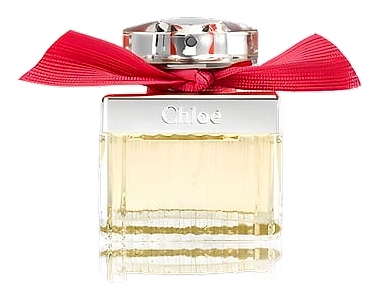
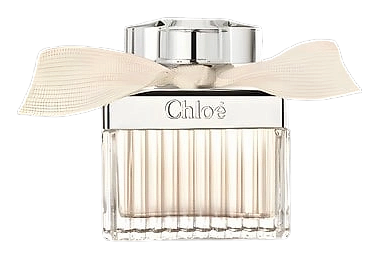
In 2016, Chloé returned to the rose, the note that had defined their signature since 2008. But this wasn't a repetition. Michel Almairac and Mylène Alran wanted something softer, more intimate. The result was a rose that breathed rather than announced, with petals that felt tender against the skin and a quiet confidence that lingered in the air without ever demanding attention.
The perfumers reached for cherry blossom and verbena to lift the composition away from heavy floral territory. The base notes of rice, white musk, and cedar gave it that powdery, skin-close quality, the smell of something clean and warm, like linen left in the sun. What emerged was a veil of softness, intimate and understated.
The evolution
It opens clean. Verbena and bergamot give a brief citrus brightness, something almost translucent in its initial impression. Then the rose steps in, joined by cherry blossom. This is where it lives for the next several hours: soft, feminine, intimate. The white musk keeps the drydown grounded without sweetness. What lingers is a skin-warmth that feels less like fragrance and more like a state of being. The projection stays soft and close to the skin throughout wear.
Cultural impact
Chloé Fleur de Parfum arrived as a gentler alternative to the 2008 original, offering the rose in a softer register. The powdery rose category it occupies has grown crowded, but this one maintains a presence through restraint rather than force. It offers a close-to-skin experience that invites rather than announces.