The Story
Why it exists.
The beginning
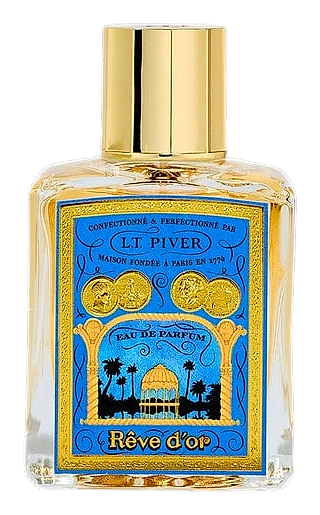
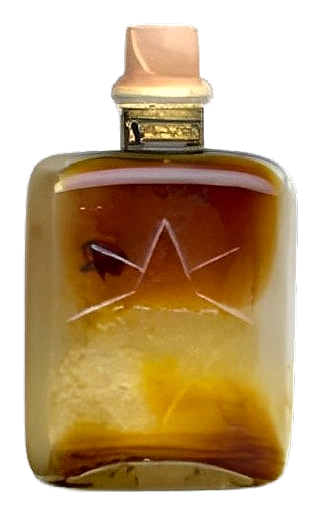
Spido arrived in 1920 from L.T. Piver. The perfume house traces its line back to 1774, making it one of the longer-running perfume lineages in France. Spido exists as a document of that continuity: a composition released at a moment when the perfumery of the Belle Époque was stepping aside for something airier. The name itself catches the ear as something compact and nearly pointed, a single syllable that lands without ceremony. Whatever else the bottle contains, it carries that sense of a house that has been at the work long enough to know which choices need explaining and which ones simply do not.
What makes Spido interesting is the mood it commits to. Rather than overwhelming the room, the composition leans into the kind of soft, cosmetic impression that feels more intimate than declarative. The structure reads less as a list of recognizable florals and more as a single texture, a blended accord that holds together the way a well-made powder compact holds together, unified rather than scattered. It is essentially the work of a perfume house that has had long practice in the grammar of florals, applying that accumulated fluency to a composition meant to feel current for 1920.
The evolution
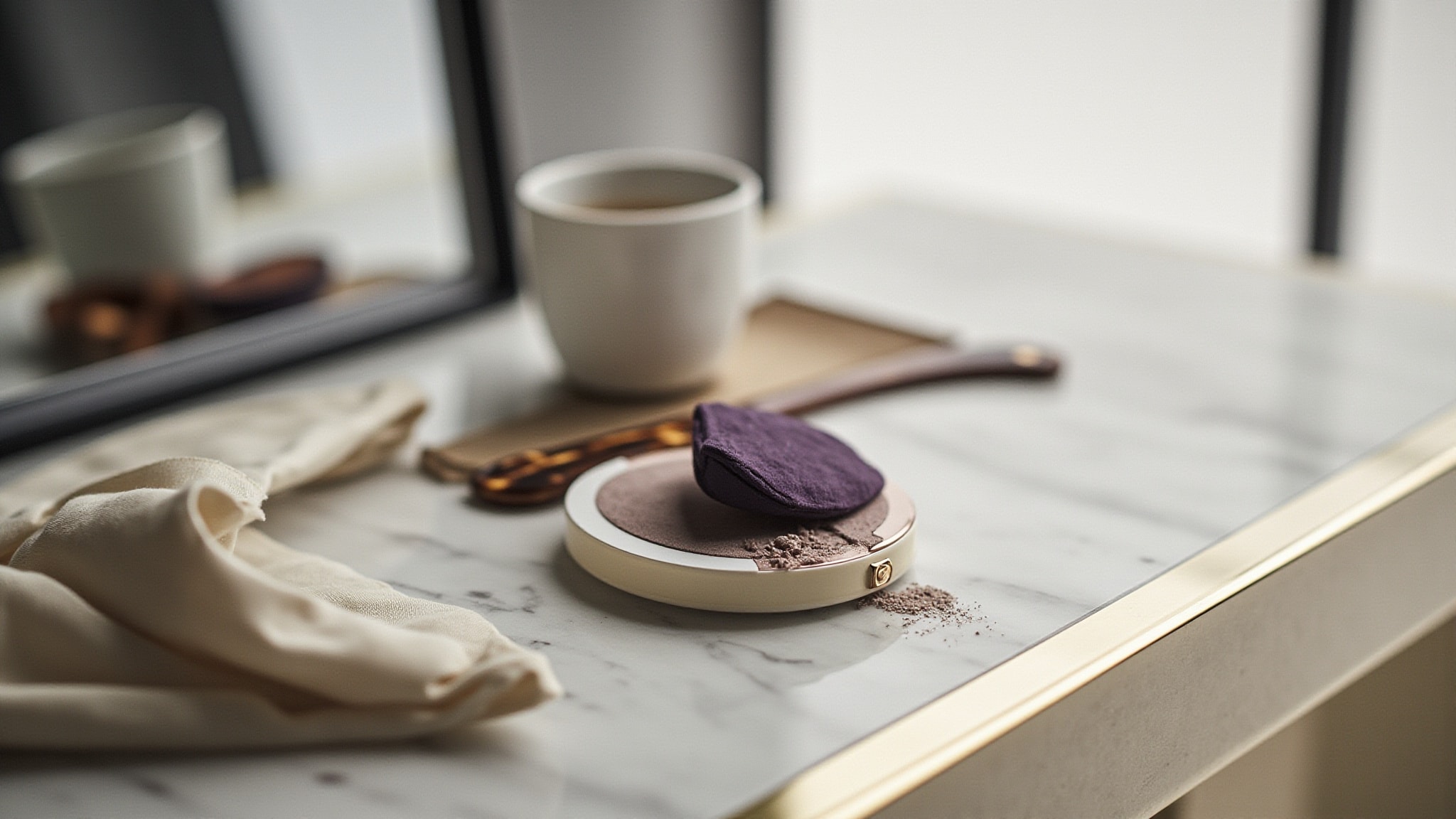
Spido opens with a hushed top, a soft accord that registers as a breath rather than a statement. The first thirty minutes feel cool and faintly soapy, the way expensive face powder smells when you press your wrist to it. By the hour mark, the florals come forward together, not competing but folding into each other the way pastel pigments blend on paper. There's a cosmetic sweetness here that never tips into candy. It stays in the register of a vanity table, not a pastry case. The middle hours belong to a soft floral heart, but everything stays muted, blended, cooperative, the kind of accord that reads as one continuous texture rather than a sequence of identifiable pieces. Into the late afternoon, the base settles into a powdery warmth with faint traces of something smooth beneath. Nothing announces itself.
Cultural impact
Spido sits in a particular category of collector interest as a women's fragrance from the early 1920s. The house's accumulated longevity makes Spido less a mainstream launch and more an archival reference, the sort of composition that gets passed among people who already know what they're looking for. There is a particular pleasure in wearing something no department store carries anymore, in owning a bottle that came out over a century ago and still holds its shape. Spido rewards that kind of patient attention. It doesn't ask to be discovered by everyone, and it doesn't need to be.