The Story
Why it exists.
The beginning
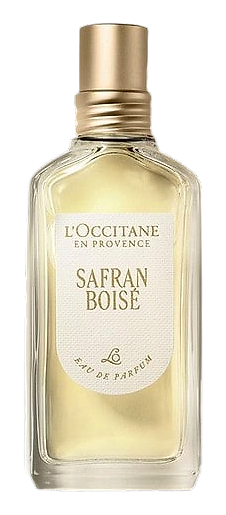
Safran Boisé arrived in 2026 as a new chapter in L'Occitane's ongoing conversation with the Provençal landscape. This one reaches higher into the hills. The inspiration is Haute-Provence, where the air runs drier, the light cuts harder, and the botanicals lean resinous rather than floral. The composition goes to a rougher, sun-baked corner of the region, where the altitude shifts everything: the herbs grow sparser, the aromatics sharpen, and the wood notes carry more weight. Built around saffron, an ingredient that carries warmth and edge in equal measure, the fragrance is paired with the woody character the brand's name suggests. The "boisé" in the title points directly at the backbone: wood, structure, the kind of scent that holds its shape as the day cools.
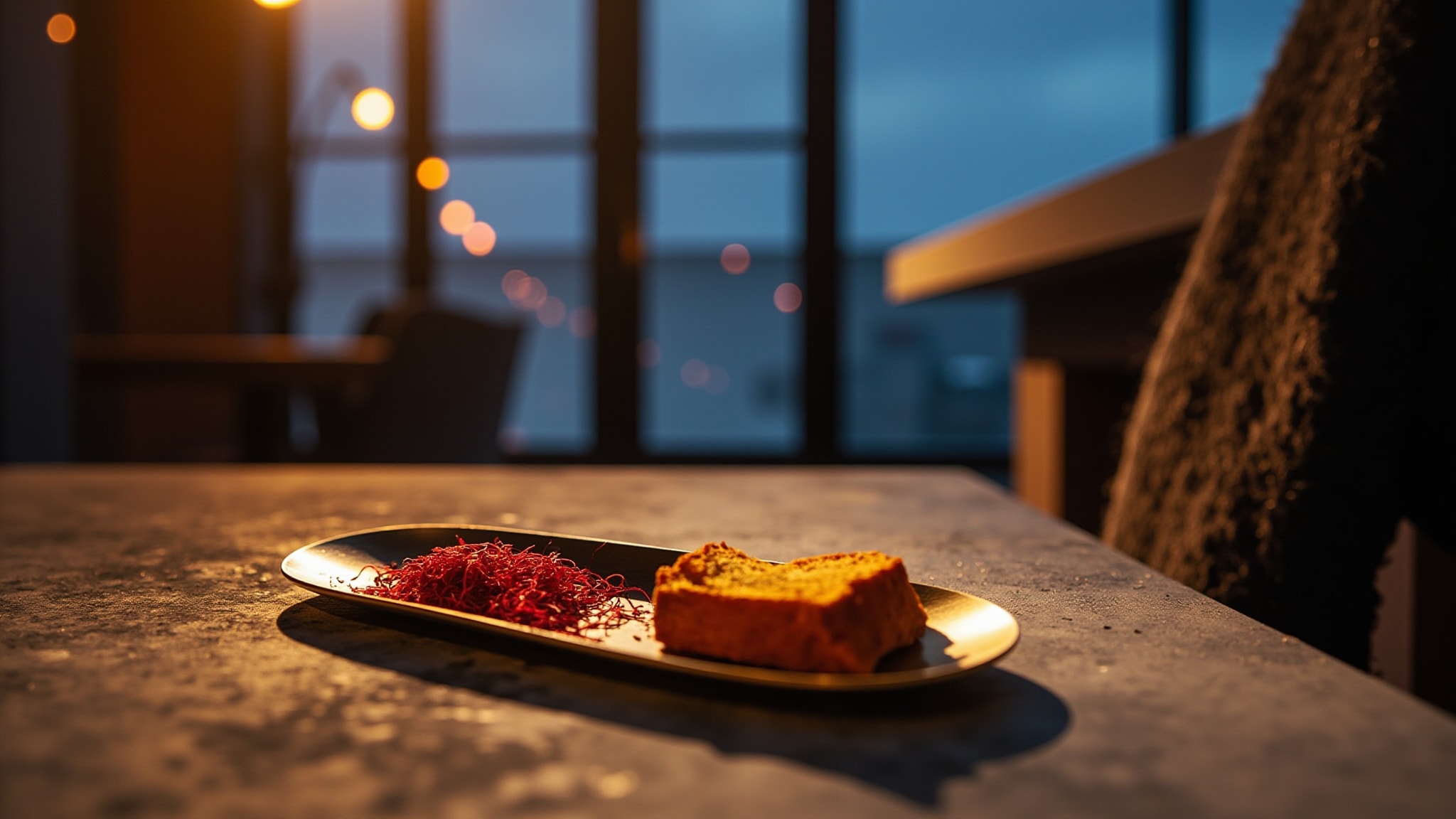
Saffron and cardamom do something unusual in the opening. Instead of sweetness or overt spice, the combination produces a metallic, almost leathery heat. That tension is what makes the composition interesting. The saffron sets up a dry, mineral character that the heart then softens. Violet adds a powdery, slightly sweet counterweight, cashmere wood brings a tactile warmth, and balsam fir threads through with a cool, resinous green that keeps the whole thing from sinking into pure amber.
The evolution
The first ten minutes are the most assertive. Saffron and cardamom announce themselves with a dry, almost smoky heat. There's a metallic edge here, like sun on heated stone, and it feels closer to a spice market than a perfume counter. The opening doesn't linger politely; it walks in and takes up space. Around the 30-minute mark, the composition shifts. The spice doesn't vanish, it recedes, and violet moves forward with a soft, powdery presence. Cashmere wood wraps around the middle, adding a tactile, almost fabric-like warmth. Balsam fir appears as a green thread, cool and resinous, keeping the whole thing from tipping into sweetness. The transition into the heart phase is one of the more rewarding movements in the wear, because the violet doesn't simply replace the spice.
Cultural impact
It wears like something for someone who chooses their scents deliberately, the kind of person who reaches for a wool sweater before checking the temperature. The dry, almost mineral character of the opening gives it a distinct gravity that sets a certain tone from the first wear. It's a fragrance for cold air, quiet rooms, and the particular confidence of not needing to be the loudest thing in the space. The composition doesn't ask for attention so much as it earns it, sitting close enough to the skin to feel personal while still projecting enough warmth to register across a room.