The Story
Why it exists.
The beginning
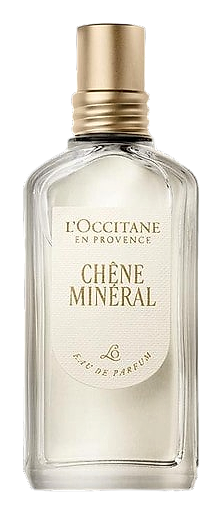
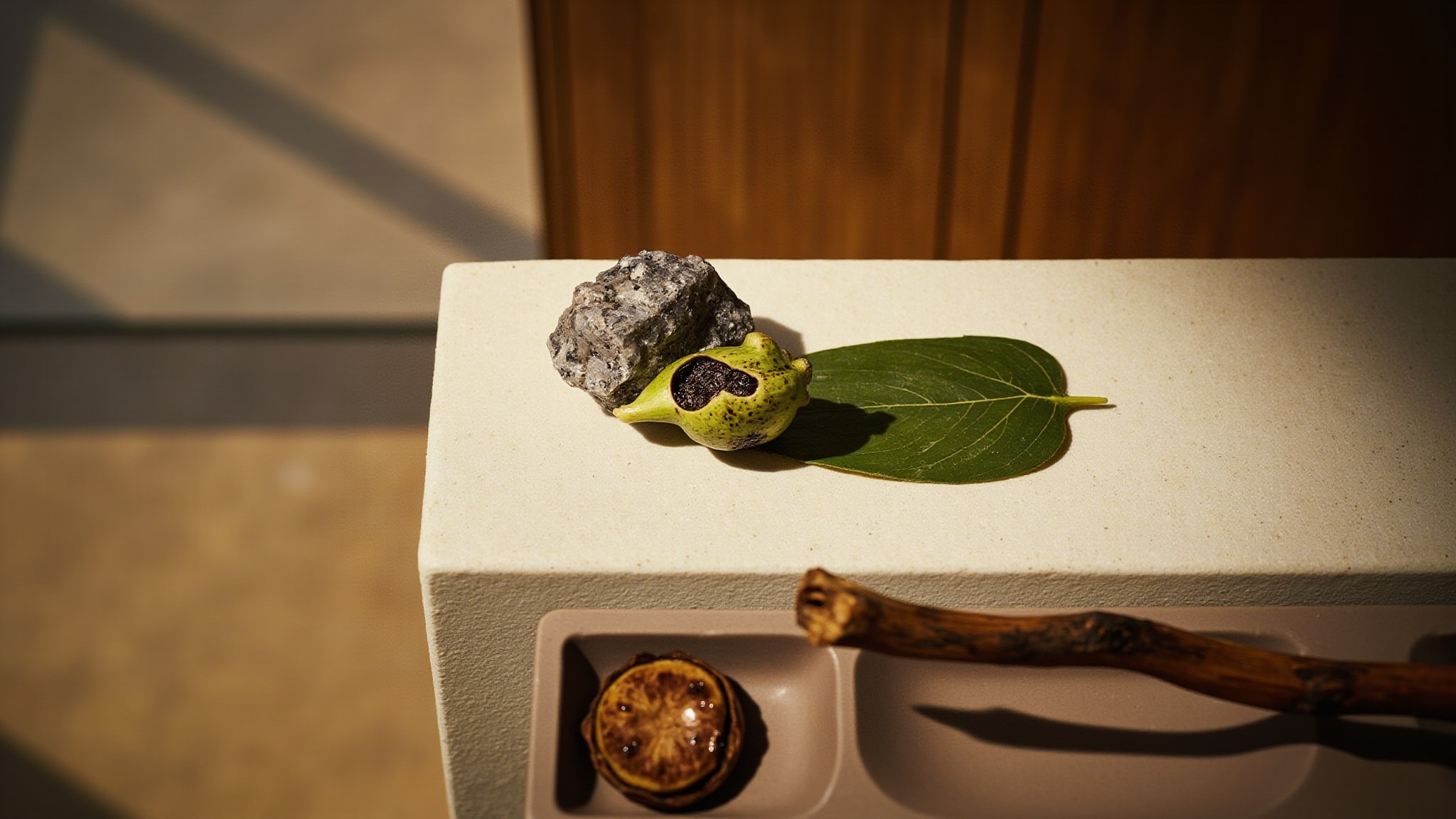
Chêne Minéral is L'Occitane en Provence's answer to a landscape most people picture but few have actually stood in: the wild interior of Haute-Provence, where limestone plateaus meet oak forests and the wind carries the mineral tang of distant sea spray over dry, herb-scrubbed hills. Launched in 2026, the composition came together through a collaboration between three perfumers: Fabrice Pellegrin, Coralie Spicher, and Florian Gallo. The team built around an unusual combination of sea salt, fig, and oak, a trio that pulls the fragrance away from the warmer, sunnier associations usually attached to Provençal perfumery. The salt gives the opening a cool, almost coastal edge. The fig arrives as something green and sappy, closer to bark and leaf than to ripe fruit.
What makes the composition structurally interesting is how the notes interact with each other. The fig brings green sweetness that softens the more austere elements. The sea salt introduces a cold, briny quality that prevents the fig from tipping into jam territory. Oak wood provides the structural backbone, a dry, slightly bitter counterpoint to the fresher notes. Clary sage adds an herbal sharpness, almost hay-like, that keeps the salt from reading oceanic, pulling it instead toward something drier and more mineral.
The evolution
The opening belongs to the salt and cardamom, and they are not subtle. A cool, briny snap sits right at the front of the nose, undercut by the warm spiciness of green cardamom pods. The fig appears almost immediately, not as ripe fruit but as the leafy, sap-scented version, closer to fig tree bark than fig jam. As the composition develops on skin, clary sage and frankincense push the salt backward and the fragrance begins to deepen. This is where the oak arrives, and it does so with quiet authority. The wood is not sawdust or furniture polish. It reads as the inside of a tree, resinous, slightly bitter, and unmistakably alive. The transition into the base happens gradually, with cypriol and cedarwood taking over as the salt fades to a memory rather than a note. What remains is warm, dry, and grounded, with ambrette lending a soft, almost winy hum close to the skin.
Cultural impact
Chêne Minéral offers a colder, more mineral reading of Provençal identity, one closer to the garrigue scrub and limestone cliffs of the interior than to the lavender fields most often associated with the region. By pairing sea salt and fig with a dry oak-cedar backbone, the composition draws on ingredients and textures that evoke the wild, less-visited parts of Haute-Provence. The fragrance treats stone, salt, and bark as central materials, as worthy of attention as the more familiar florals that have defined the category.