The Story
Why it exists.
The beginning
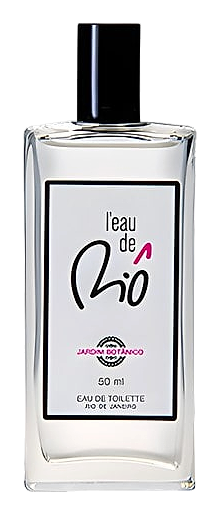
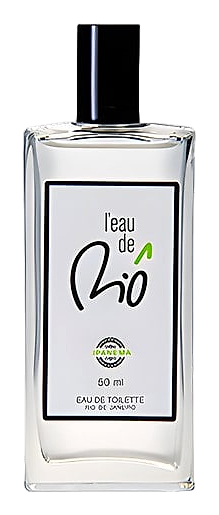
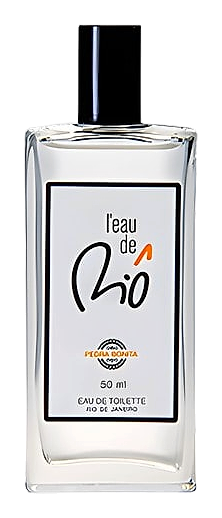
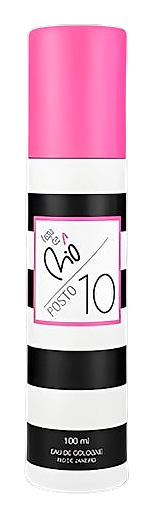
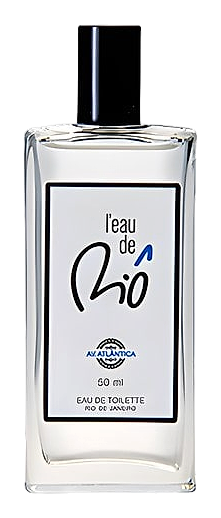
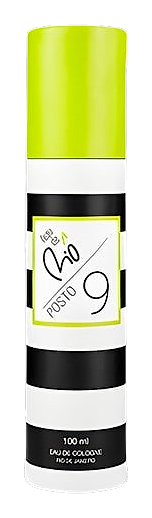
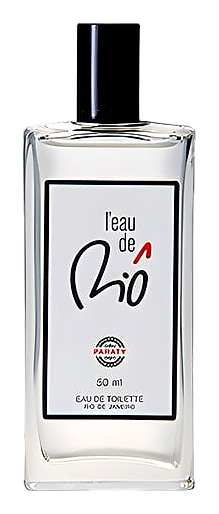
L'Eau de Riô Paraty arrived in 2013 as part of a collection built around Brazilian destinations. Its name points to Paraty, the coastal town that joined Paraty to the Brazilian landscape alongside Ipanema, Pedra Bonita, Jardim Botânico, and Avenida Atlântica. No individual perfumer is identified for the original release, so the clearest record is the composition itself: litchi at the top, a white floral heart of rose, magnolia, jasmine, and lily, then cedar, amber, powdery notes, and musk at the base. The structure translates a warm coastal setting into fragrance without relying on literal marine notes.
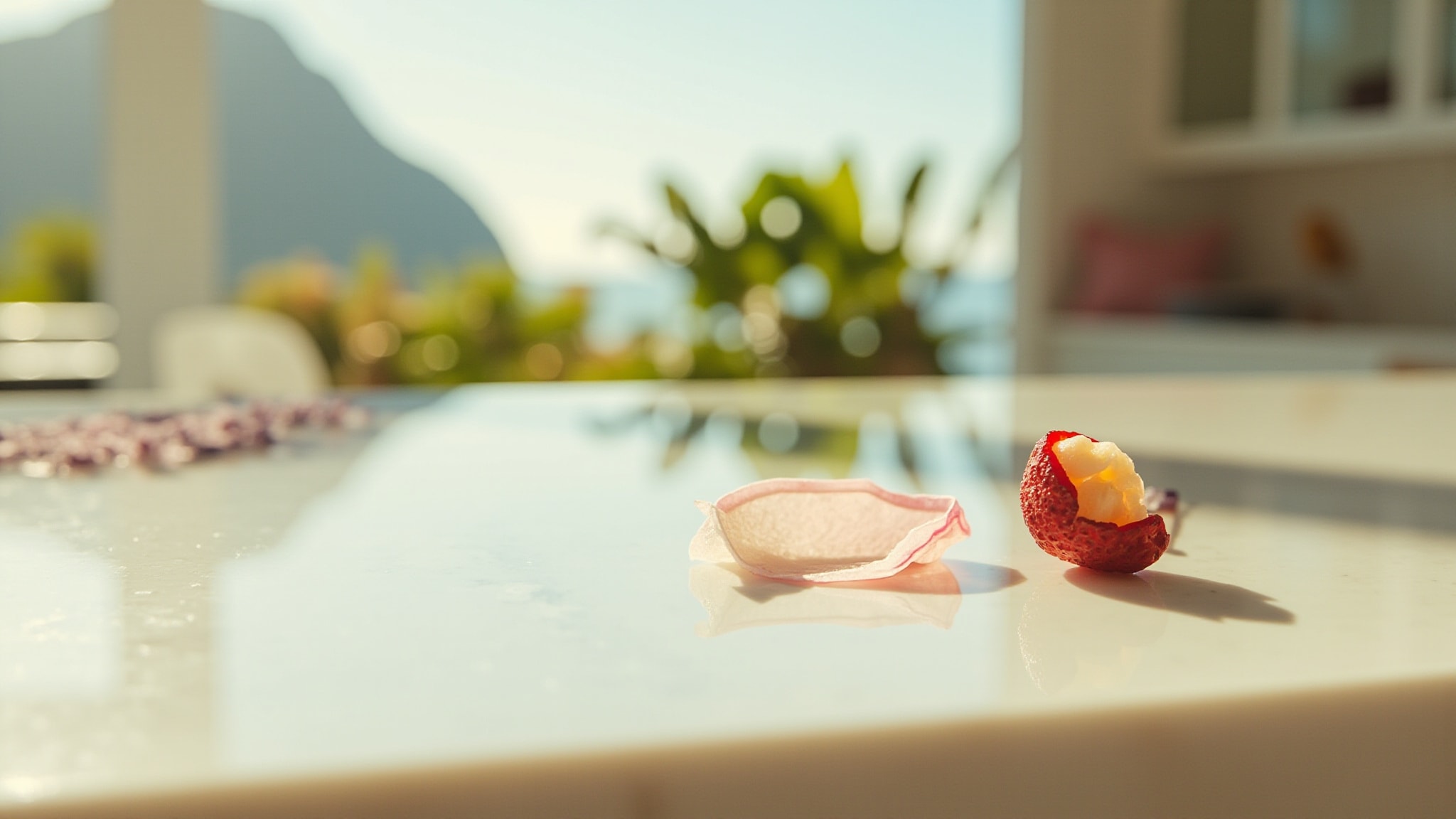
The interesting part is the contrast between litchi and a broad floral heart. Litchi brings a juicy, slightly exotic brightness, while rose, magnolia, jasmine, and lily give the center a polished white-floral character. Cedar and amber then bring a firmer, warmer base, while powder and musk soften the finish. Nothing here needs to shout. The composition works through movement between fruit, petals, powder, and woods, all of which sit inside its floral, fruity, tropical, woody, amber, and musky profile.
The evolution
It begins on litchi, quick and sweet-tropical, with a bright fruitiness that makes the opening feel immediate. As that first impression recedes, rose, magnolia, jasmine, and lily take over. The heart is fuller and more polished than the opening, almost like a floral shirt buttoned to the last button. Then the composition settles into cedar, amber, powdery notes, and musk. That base gives the scent a drier, softer finish, with the fruit and flowers becoming more like a memory than a display. Its moderate sillage maintains a close floral presence that is respected by enthusiasts, fading into a powdery floral trace rather than filling the room.
Cultural impact
Paraty sits within a distinctly Brazilian approach to fragrance, where place names carry as much meaning as the compositions themselves. Its destination-led presentation links local identity with French perfumery vocabulary, making the bottle feel like a piece of a personal map. For wearers drawn to polished floral scents, it offers a tropical opening without losing the white-floral heart. The broader L'Eau de Riô collection has also appeared alongside naturals-oriented names such as Natura, while users looking for a floral profile may also compare it with rose-led releases from The Body Shop and Roger & Gallet.