

Heritage
A house, in its own words
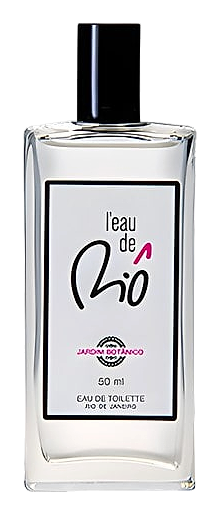
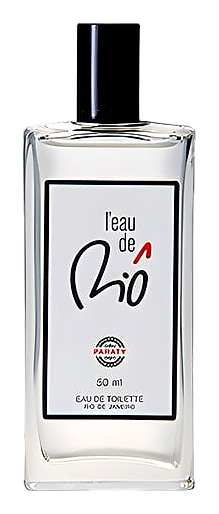
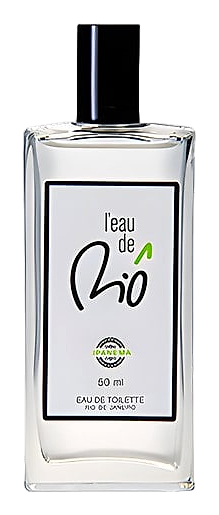
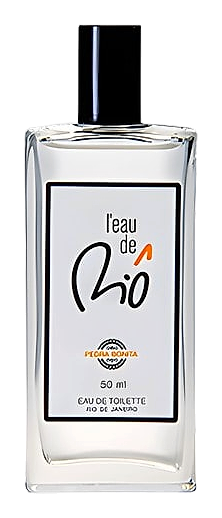
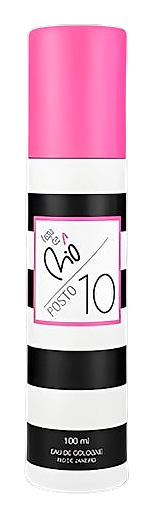
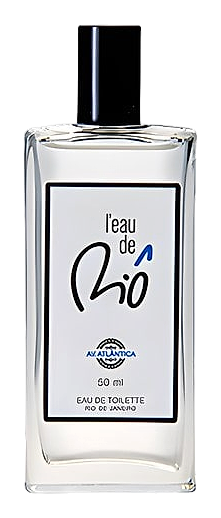
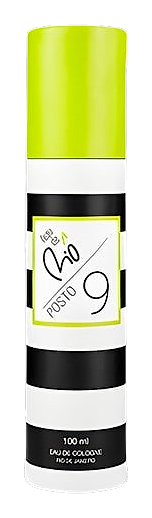
L'Eau de Riô began in 2013, when the brand introduced a collection of fragrances tied to Rio de Janeiro and its surrounding landscape. The place names function as an informal map of the city. Paraty and Pedra Bonita recall coastal and mountain settings, while Ipanema, Jardim Botânico, and Avenida Atlântica point to beaches, a botanical destination, and one of the city's best-known urban avenues. In 2015, the house extended this geographic idea with Posto 6, Posto 9, Posto 10, and Posto 12, names associated with numbered coastal stops rather than conventional fashion-house references. Fragsi records 2013 as the house's founding year and describes it as a Brazilian naturals perfume label. The available history is young compared with the long-established perfume houses of Europe, but that is precisely what gives L'Eau de Riô its identity. Rather than building on an inherited dynasty or a nineteenth-century archive, the brand anchors itself in a contemporary reading of Brazil, using Rio's topography and coastal culture as its creative frame. The house's creative vision begins with place. L'Eau de Riô treats Rio not as a single, postcard-like idea, but as a collection of distinct environments experienced at different speeds and scales. A beach, a mountain, a garden, and a major avenue each receive their own fragrance within the 2013 collection. The Posto releases continue that method by translating numbered coastal locations into olfactory compositions. This approach fits the Brazilian naturals perfumery context identified in independent fragrance references, in which the country's flora and environment serve as points of departure. The naming is direct and legible, allowing each scent to retain a connection to a known setting. The brand also uses the visual codes of color and vivid presentation to make that connection immediate. In practical terms, L'Eau de Riô's philosophy rests on three linked choices: Brazilian identity, environmental reference, and concise place-based naming. The result is a catalogue that reads almost like a personal itinerary through Rio and the coast, with each fragrance acting as a marker of location rather than an abstract decorative object.