The Story
Why it exists.
The beginning
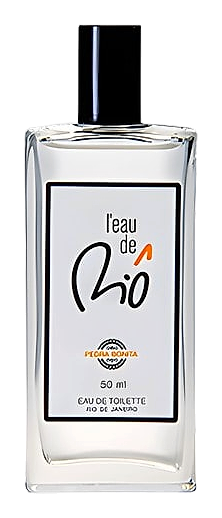
Pedra Bonita belongs to L'Eau de Riô, a fragrance house that works from place names rather than abstract concept. The name carries the weight of a destination, and the composition follows that logic with a green, mineral-leaning structure. Green tea, lemon, and bergamot open with sharp clarity, bright and lightly bitter at the edges. Lotus and jasmine then introduce a softer register, floral and watery, that sits beneath the citrus rather than competing with it. Oakmoss and musk anchor everything, giving the scent a dry, close-to-the-skin finish. No perfumer is credited in the available records, so the intention reads through the notes rather than a signature.
What makes this composition worth a closer look is the balance it strikes between brightness and shadow. Citrus notes and green tea supply lift, lotus adds a soft watery floral, and oakmoss introduces an earthy counterweight that keeps the whole thing from floating away. Jasmine brings a white floral warmth through the middle. It's a familiar family of materials, arranged with enough contrast to feel like a specific place rather than a generic green scent.
The evolution
The opening arrives brisk and legible. Lemon and bergamot push forward with green tea, sharp and lightly bitter, the three moving together in a clean, tannic arc that stays transparent on skin. Lotus unfolds in the middle with a watery, almost floating quality, and jasmine lays a white floral warmth over the citrus so the scent stops reading as one thing and starts reading as several. Green tea keeps a faint leafy bitterness threaded through the florals, holding the structure together as the composition opens up. Then oakmoss and musk settle in underneath, pulling the whole thing downward. By the time the brighter notes fade, what remains is a soft, earthy base with a green undertone, restrained and close. On fabric the same shift happens, just slower.
Cultural impact
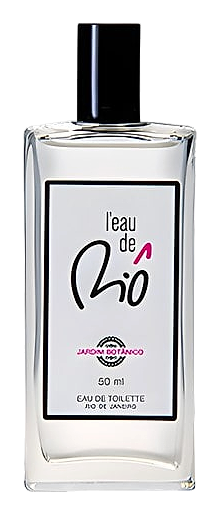
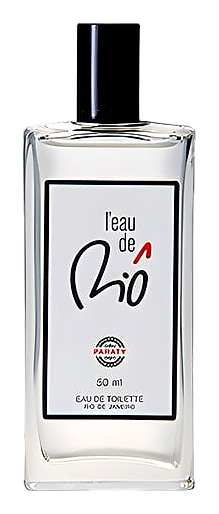
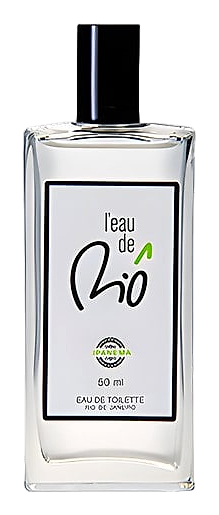
Pedra Bonita treats a place name as a starting point for scent rather than a decorative label, and that distinction matters to the way it wears. Alongside names like Ipanema, Jardim Botânico, and Avenida Atlântica, it approaches the city as a set of distinct locations to be smelled rather than a single postcard. The result is a fragrance that reads as an address rather than a mood, built from green tea, lemon, and bergamot up top, lotus and jasmine through the middle, and oakmoss and musk underneath.