
The Story
Why it exists.
The beginning
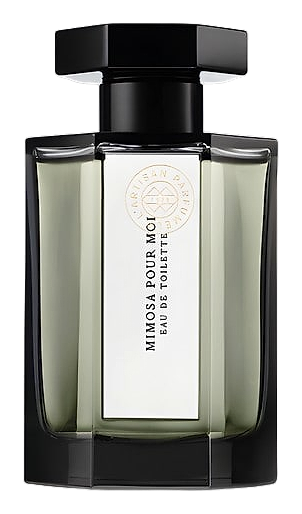
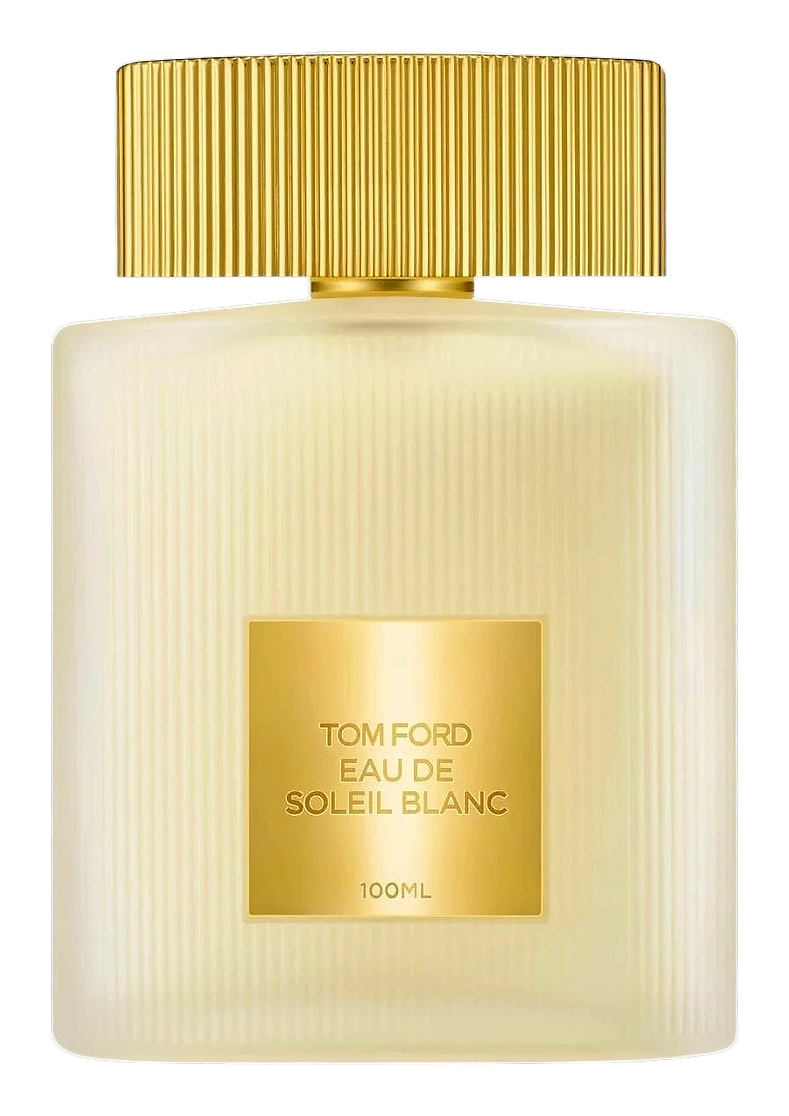
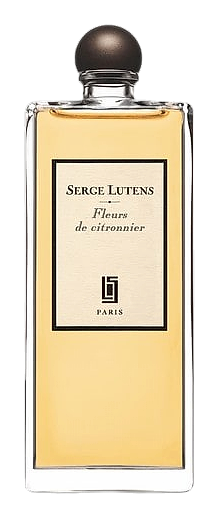
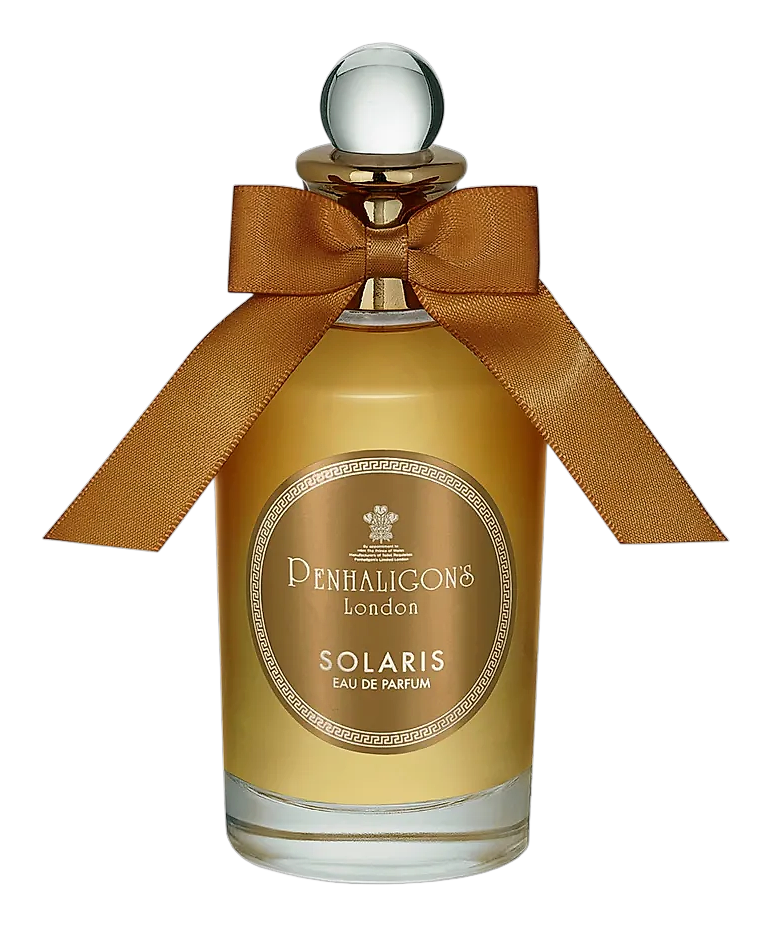
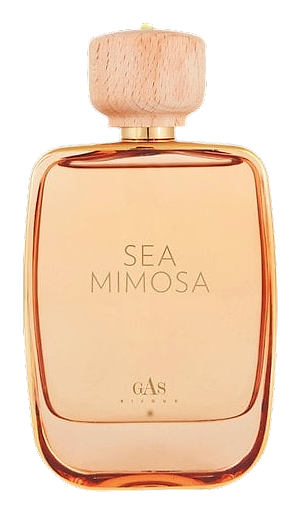
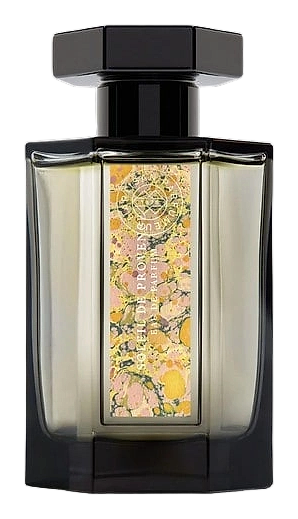
Daphné Bugey designed Soleil de Provence as an homage to the mimosa flower, specifically the Route du Mimosa that winds from Bormes les Mimosas to Grasse, where the hillsides erupt in fluffy yellow blooms every winter. Part of the Les Paysages collection, which translates as 'landscapes,' this fragrance is literally named for a place. The mimosa guides the road, and it guides the scent. Bugey wanted to capture that specific quality of winter sun in the south of France, warm but not heavy, bright but not sharp, yellow in a way that feels like a color rather than a concept.
What makes this work is the restraint. Mimosa can skew theatrical, powdery, almost soapy, the kind of yellow floral that announces itself from across a room. Here, Bugey anchors it with ylang-ylang's creamy warmth and lets the benzoin and vanilla do the work of keeping everything grounded. The result is a fragrance that smells like sunlight actually smells: warm air, golden petals, the faint sweetness of something blooming without trying. It's not a complex fragrance. It's a specific one.
The evolution
The opening hits bright and citrusy, lemon and bergamot doing what citrus does, creating that immediate sparkle that signals 'fresh.' Within minutes, the mimosa arrives and shifts everything. The sparkle doesn't disappear, but it deepens, becoming less of a first impression and more of a quality. The ylang-ylang layers beneath, adding a tropical creaminess that keeps the yellow floral from going sharp or soapy. By the second hour, the drydown begins its quiet work. Benzoin and vanilla don't storm in, they settle, slowly, like warmth radiating from sun-warmed stone. The final hours are intimate, close, the kind of scent someone notices only when they're already beside you. As the hours pass, the citrus sparkle softens into something more rounded, more settled into the skin. The mimosa remains present but loses its initial brightness, becoming a gentle backdrop rather than a statement.
Cultural impact
It's sunny without being simple, warm without being heavy, a reminder that not every niche fragrance needs to announce itself as a statement. Wearers gravitate to it for the same reason they gravitate to the south of France itself: because sometimes you want warmth, and light, and the specific pleasure of a place captured in a bottle. There's something refreshing about a fragrance that doesn't try to overwhelm or dominate. It offers a different kind of pleasure, one that's gentle and inviting rather than assertive.