
The Story
Why it exists.
The beginning
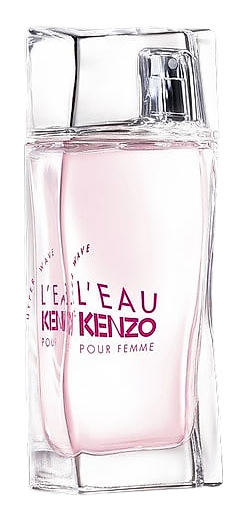
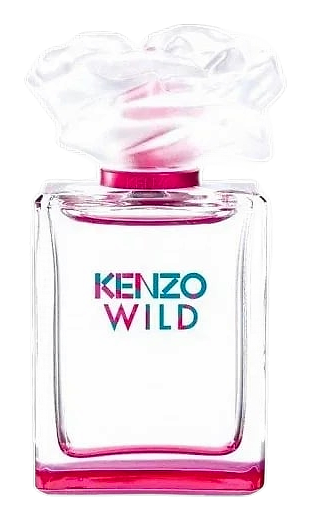
Wild arrived in 2015 as a limited-edition experiment, exclusive to duty-free shops, never sold through standard retail. The name said everything: this was Kenzo throwing caution to the wind, releasing something that skipped the usual channels and the usual formulas. Pink grapefruit, pomegranate, pink pepper, a top that reads like a burst of morning light. Then the heart softens into peony and orange blossom, with green almond adding an unexpected creaminess that no typical floral would dare. Wild was positioned as exotic, energetic, and sensuous, a fragrance for someone in transit, someone between places, someone who finds the beauty in departure lounges and duty-free shelves. It sold for one year. Then it stopped. The world kept turning. The fragrance didn't come back.
The green almond and white tea combination is where Wild gets interesting. Green almond, not to be confused with sweet almond, carries a faint bitterness, a nutty creaminess that sits between edible and green. White tea, meanwhile, is mineral-clean, almost astringent, with a quietness that most fragrance houses reserve for soaps or skin. Together they create a base that is simultaneously warm and restrained. The tension between creamy and crisp, sweet and austere, is what makes Wild worth talking about. This isn't a safe fragrance. It's one that took a risk on an unusual pairing and let the results speak for themselves.
The evolution
The opening doesn't ease in. Pink grapefruit and pomegranate arrive together, bright, tart, a little too eager. The pink pepper adds a whisper of spice that keeps the citrus from feeling like breakfast. The green almond emerges, that's the tell. It blends with the peony and orange blossom to soften everything, pulling the brightness down into something rounder, more textured. The energy doesn't disappear, it redistributes. White tea and cedar take over, the musk grounds it. What was once loud becomes quiet, close, intimate. The drydown is subtle, the kind that someone standing beside you might catch only if they lean in. It's a fragrance that knows when to leave the room. The projection shifts as the hours pass, starting bold and gradually pulling back, becoming something you sense more than announce.
Cultural impact
Wild was a duty-free exclusive, never sold through standard retail, never marketed to the masses. It arrived in 2015, sold for one year, and stopped. The unusual green almond and white tea combination set it apart from typical airport fragrances, which tend toward safe and crowd-pleasing. Those who wore it remember it. Those who missed it wish they hadn't. The fragrance found its audience in transit, between places, a scent that existed in the liminal space of travel, where choices are made quickly and lasting impressions linger. Its limited availability meant it never became ubiquitous, never lost its sense of discovery.