
The Story
Why it exists.
The beginning
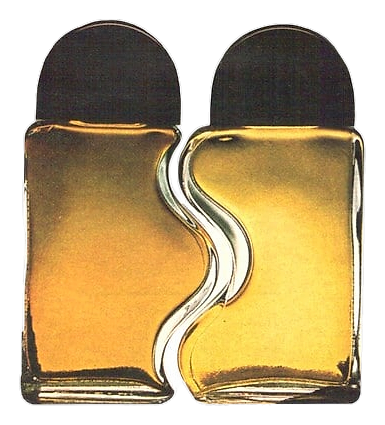
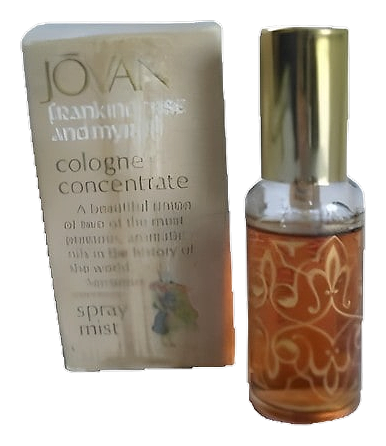
Frankincense and Myrrh arrived in 1974, when the counterculture had turned contemplative. The name invoked two resins with deep historical resonance, rendered into a cologne concentrate. Not a statement piece, but a quiet one. The aldehydes announced the fragrance with waxy, champagne-bright clarity, a characteristic aldehydic punch that opened the composition without overwhelming it. Against this backdrop, the resins waited their turn, patient and contemplative, arriving only once the initial brightness had settled. The composition built toward its resinous heart, allowing frankincense and myrrh to unfold gradually rather than announcing themselves immediately. This was a fragrance that trusted its wearer to wait, to discover, to appreciate what emerged slowly over the first hour of wear.
What makes the structure interesting is the tension between the aldehydic opening and the balsamic base. Aldehydes, waxy, champagne-bright, slightly soapy, typically belong to the chypre tradition or the aldehydic florals of Chanel No. 5. Here they crash in with bergamot and raspberry, a tart-sweet jolt that seems at odds with frankincense and myrrh. Yet that clash is the point. The resins don't appear immediately; they arrive once the aldehydes begin to soften.
The evolution
The opening is immediate: aldehydes barrel in with a sharpness that recalls Tabu or Youth Dew, that characteristic waxy punch that doesn't apologize for itself. Bergamot and raspberry land alongside, adding brightness that prevents it from becoming too heavy too soon. The aldehydic phase establishes itself firmly before the florals begin to emerge. Carnation appears first, that spiced warmth that earns its place in both aldehydic and oriental structures. Lily of the Valley adds a cool green note, a brief respite before the honey appears. The honey doesn't sweeten so much as thicken, it adds body to the heart without tipping into edible territory. When the base arrives, it arrives quietly. Incense smoke curls without overwhelming. Myrrh follows, its balsamic depth anchoring everything that came before. Moss keeps the drydown close to skin rather than projecting outward.
Cultural impact
Frankincense and Myrrh arrived during a specific cultural window: 1970s spiritual seeking and the renewed interest in incense and natural resins. The fragrance's aldehydic opening links it to the powdery chypres of the previous decade, while the resinous base positions it squarely in the oriental tradition. The aldehydes provide an unexpected entry point, a bright, almost soapy clarity that contrasts with the smoky, balsamic depths that follow. The frankincense and myrrh deliver on their promise without demanding the wearer perform.