The Story
Why it exists.
The beginning
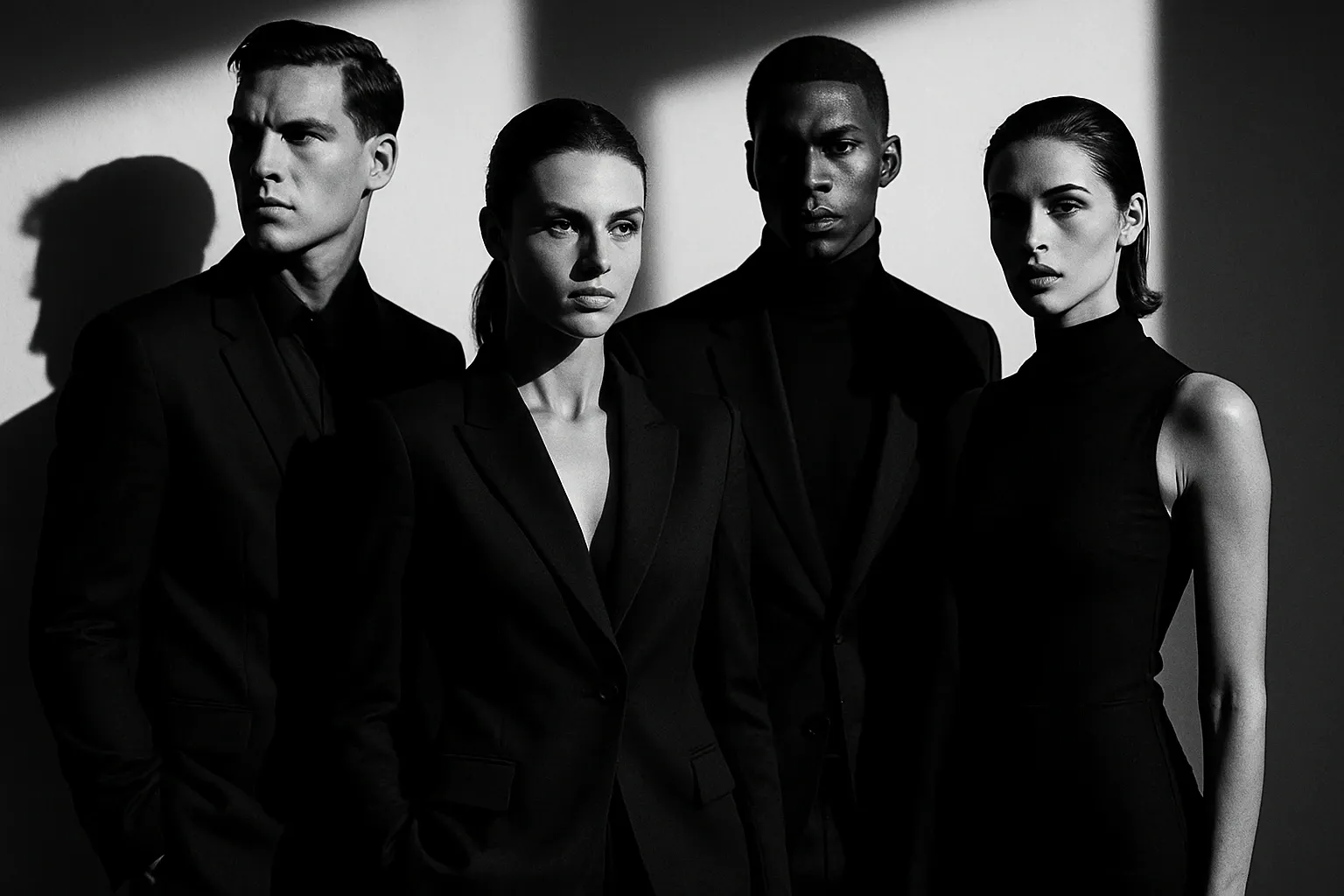
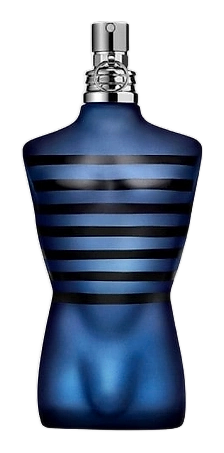
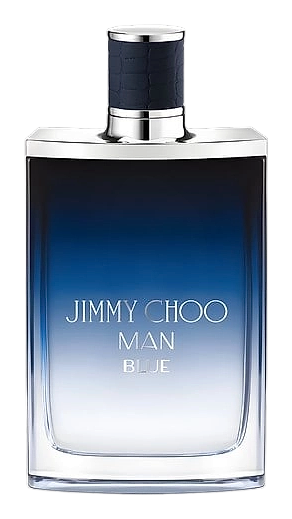
Jimmy Choo Man Blue arrived in 2018 as the house's answer to a changed man. The brand saw it: someone for whom work wear and street wear had become the same thing, someone who could pair a dark blue suit with a t-shirt and call it done. Nathalie Lorson built the fragrance around that tension, not casual versus formal, but the confidence that makes the distinction irrelevant. The brief wasn't to create a scent for the office or the club. It was for the man who moves between both without shifting gear.
What makes Man Blue interesting is its refusal to commit. The top notes, lavender, black pepper, clary sage, bergamot, give it that aromatic freshness that reads clean and professional. But the heart adds leather, ambergris, apple, and pineapple, which push it somewhere warmer, more personal. The base of vanilla, sandalwood, vetiver, and patchouli is where it finally lives: sweet, woody, animalic. It's a fragrance that covers ground rather than making a statement, which is either its genius or its limitation depending on who you ask.
The evolution
The opening hits like a splash of cold water. Lavender and bergamot arrive together, bright and almost medicinal, with black pepper providing a faint tingle at the edges. It smells clean in the way that good bar soap smells clean, present but not demanding. Around the thirty-minute mark, the leather surfaces. Not the saddle-leather of a vintage jacket, but something smoother, almost sweet. Apple and pineapple keep it fruit-forward, which softens the ambergris that follows. By the second hour, the drydown takes over. Vanilla and sandalwood warm everything up, vetiver adds an earthy undercurrent, and patchouli lingers longest, close to the skin, intimate rather than announced. On most skin types, it holds for four to six hours before fading to a quiet vanilla-vetiver whisper that stays close well into the next day.
Cultural impact
Jimmy Choo Man Blue arrived in 2018 during a period when masculine fragrance culture was undergoing a significant shift. The late 2010s saw men becoming more experimental with scent, moving away from rigid aromatic traditions toward compositions that could function across multiple contexts. Man Blue captured this fluid sensibility by offering something that wasn't aggressively fresh nor traditionally woody. The fragrance market at this time was saturated with either hyper-masculine fougeres or minimalist 'clean' scents, leaving a gap for something that felt both approachable and distinctive. Man Blue's positioning as an 'everyday-every-occasion' scent reflected a broader cultural movement toward authenticity over performance in personal presentation.