The Story
Why it exists.
The beginning
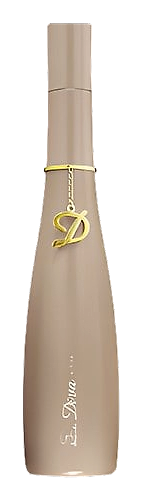
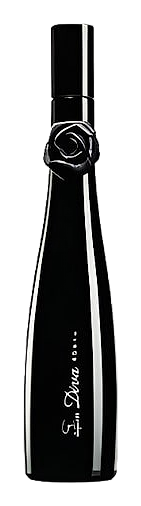
Diva Ébano joined Jequiti's Diva collection in 2012, part of a catalogue that explores more expressive feminine compositions. The Diva line was where the range got a little bolder, and Diva Ébano was the darker, woodier entry in that series. The composition leans Oriental Sensual in its official classification, built on a bergamot and Sicilian lemon opening that resolves into sandalwood and amber. The result is a fragrance designed for a woman who wanted something warm and grounded, something that moved away from straightforward brightness and into denser, more textured territory.
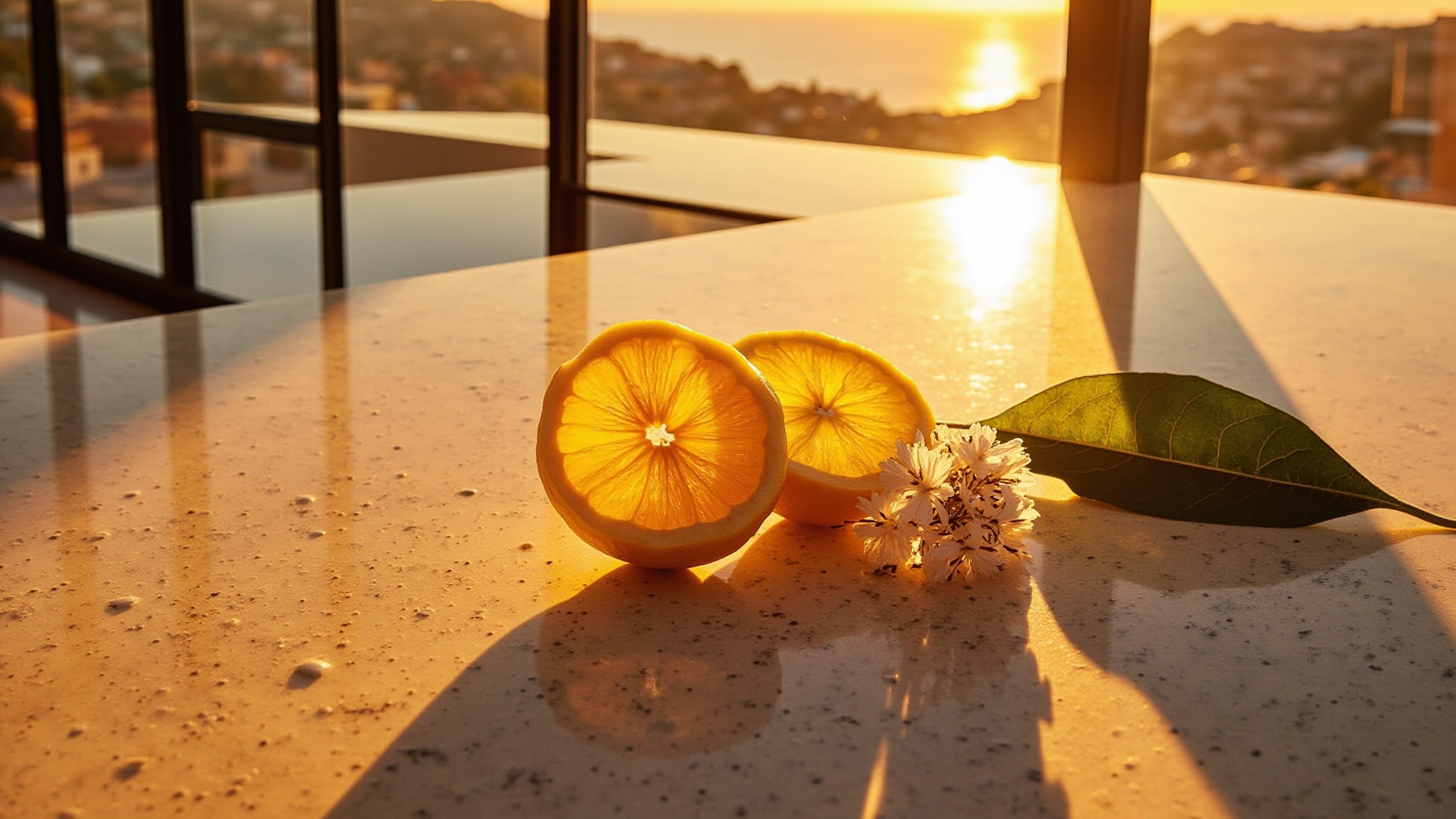
What's interesting here is the tension between the opening and the base. Neroli, bergamot, and Italian lemon give the first spray a high, almost Mediterranean brightness, the kind of clean citrus accord that registers as crisp rather than sweet. Then the composition pivots hard. Mimosa and lily of the valley build a soft, powdery floral middle, and the base lands on benzoin, sandalwood, amber, and cedar. That jump from sunlit citrus to warm, resinous wood is the whole personality.
The evolution
The first thirty minutes belong to neroli and bergamot, with the Italian lemon adding a sharper edge underneath. It's bright, almost sparkling, and reads as clean rather than sweet. Around the forty-minute mark, mimosa and lily of the valley rise through the citrus, softening everything into a powdery, slightly honeyed floral. Rose threads in quietly. By the two-hour mark, the citrus has mostly stepped back and the benzoin-sandalwood-amber-cedar base takes over. That's where Diva Ébano lives for the remaining hours, a warm, slightly resinous wood with a soft amber glow. The sillage sits moderate, the kind that stays close enough to feel intimate without disappearing. The cedar and sandalwood hold their character well into the later stages, while the benzoin weaves a subtle thread of sweetness through the drydown that keeps the woods from feeling austere.
Cultural impact
Diva Ébano sits in Jequiti's Diva collection, and the oriental-woody register places it firmly in more textured, resinous territory. The combination of bergamot and Sicilian lemon over a base of sandalwood, amber, benzoin, and cedar gives the fragrance a layered architecture, one that shifts noticeably between the bright citrus opening and the warmer, woodier drydown. That structural contrast between phases is a defining feature, setting the composition apart from simpler single-register fragrances.