The Story
Why it exists.
The beginning
Shanghai Night takes its name from something specific, the electric hum of a city after dark. Jeanne Arthes tasked Jean-Pierre Béthouart with translating that feeling into scent, and he went to work in 2010 with a carefully considered palette. What Béthouart built is a chypre with citrus at the front and smoke at the back. Bergamot and tangerine lead. Juniper adds a slight gin-and-tonic sharpness that keeps the opening from being merely pleasant. Then rosemary and black pepper arrive to remind you this isn't a cocktail, it's a night out. The citrus sparkles against a backdrop that gradually deepens, growing warmer and more resinous as the top notes fade. There's an unexpected energy here, something that feels both crisp and intimate at the same time.
The structure here is what makes it interesting. The fragrance lets the smoke and oakmoss take up real estate in the drydown. Incense doesn't just appear as a supporting note, it lingers, it asserts, it stays close to the skin in a way that reads almost like a second layer of clothing. The contrast between the bright citrus opening and the smoky, mossy base is the real architecture. It's not a linear fragrance that opens and closes. It's a fragrance that opens and then evolves into something different, something that feels resolved only when the final traces fade.
The evolution
The top notes arrive fast and clean. Bergamot opens sharp, grapefruit adds a slightly bitter edge, tangerine gives a brief sweetness, and juniper threads through like a gin note, cool, slightly medicinal. You've got maybe ten minutes of this before the hand-off begins. Then the rosemary and black pepper arrive, and the fragrance changes register entirely. It stops smelling like a cocktail and starts smelling like something older, herbal, warm, with a dry spice that sits just below the surface. The citrus doesn't disappear, but it recedes into the background, becoming atmosphere rather than subject. The drydown is where this fragrance earns its name. Oakmoss arrives quietly, bringing that chypre earthiness that smells like damp stone or a forest edge at night. Incense layers over it, not church incense exactly, but something smoky and resinous that stays close to the skin and lingers.
Cultural impact
Shanghai Night arrived as a masculine fragrance with an edge, offering something that felt distinct from mainstream releases. The incense-and-oakmoss drydown reflects a revival of classical chypre structures, updating smoky masculine traditions for a contemporary audience. Jeanne Arthes crafted a scent that sits outside the conventional masculine fragrance landscape, with enough depth and character to appeal to those seeking something non-mainstream. Its discontinuation has given it cult status among collectors who prize masculine chypres that deviate from the expected.
The House
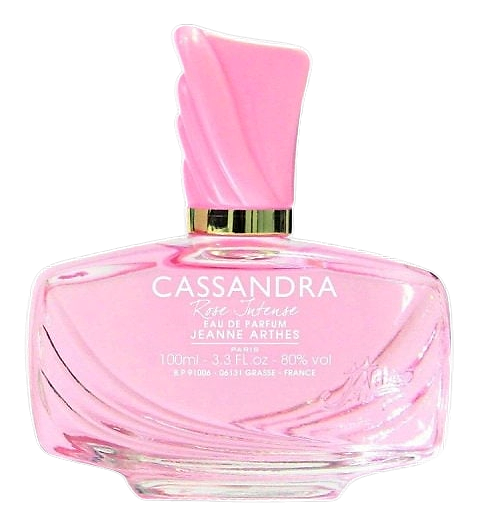
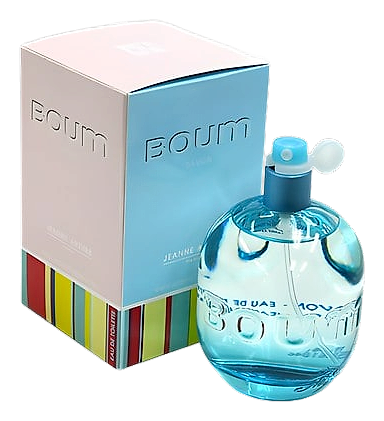
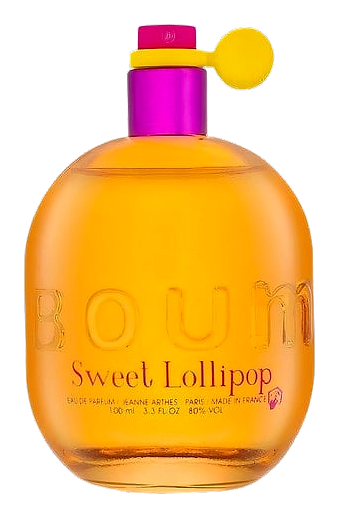
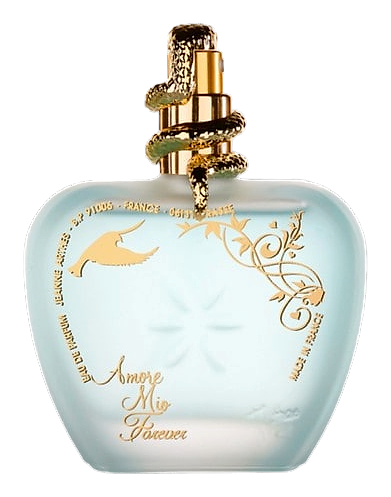
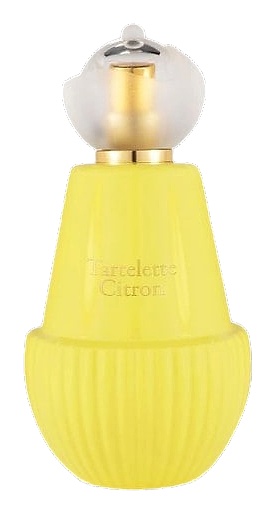
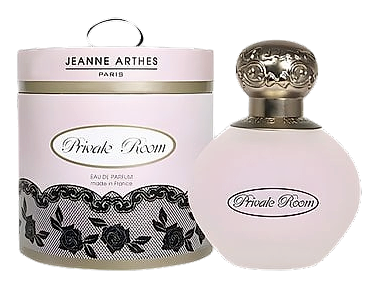
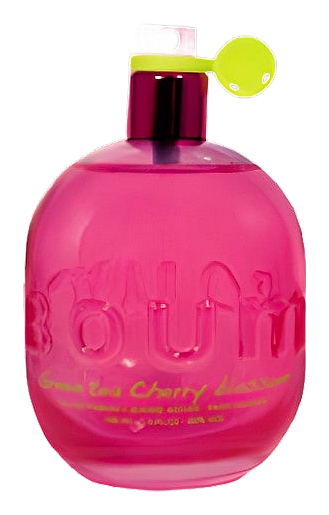
Jeanne ArthesJeanne Arthes is a French perfume house that operates out of Grasse, the historic heart of the fragrance industry. Since its launch in 1978 the brand has built a catalogue that mixes playful modern scents with classic French techniques. The line includes youthful releases such as Strawberry Fizz (2024) and Boum Pinkchella (2025) alongside more mature compositions like Cassandra Rose Vanille (2020). Jeanne Arthes positions itself as a bridge between the artisanal heritage of Grasse and the everyday consumer who wants a scent that feels both refined and approachable.
The Creator
Jean-Pierre BéthouartBéthouart's work tends toward warm, enveloping textures that linger close to the skin. He is particularly adept with contrasts between crisp top notes and creamy, almost powdery bases, a tension that gives his creations their characteristic push and pull.