

The Story
Why it exists.
The beginning
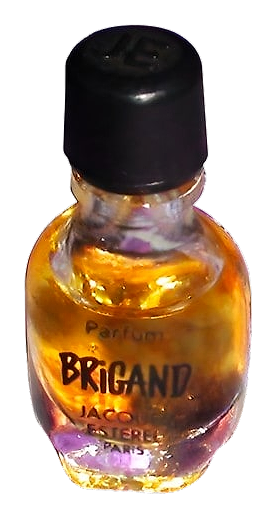
Brigand appeared in 1962 as Jacques Esterel's most distinctive fragrance, a name that suggests someone bold and mischievous, a fitting brief for a composition that refuses polite restraint. The documented profile pairs ripe plum with pepper and rosemary, then brings leather, carnation, patchouli, green notes, and musk into the conversation. This isn't a fragrance built around a single, easily identified motif. Its character comes from contrasts: fruit against spice, floral softness against leather, and aromatic freshness against a darker, smoky trail. The plum opens rounded and almost fleshy, while pepper gives the first impression an edge and rosemary lifts it with a cool herbal brightness.
What makes Brigand interesting is the friction inside its note set. Plum gives the composition a ripe, almost sensual accent, while black pepper cuts across it with immediate bite. Rosemary introduces a green, herbal edge that keeps the warmth from becoming syrupy. Carnation adds a textured floral register, leather supplies structure, and patchouli brings an earthy dark. Musk settles everything into a soft trail, making the whole composition feel less like a neat little bouquet and more like a well-dressed alter ego.
The evolution
The opening brings black pepper and rosemary forward, with a bright green snap beside the rounded fruit of plum. It feels crisp, aromatic, and slightly dangerous, the sort of scent that arrives before you do. As it develops, carnation lends a velvety floral warmth while leather and patchouli deepen the center. The fruit becomes less literal, settling into a darker, spiced accord rather than remaining overtly sweet. In the drydown, patchouli, leather, and musk carry the composition, leaving a warm, smoky trail with a soft skin-like finish. What begins as a bright, almost sparkling opening gradually narrows into something warmer and more textured, with the green notes receding and the spice taking on a rounder, dustier quality. The plum lingers as an impression rather than a literal fruit, more of a dark, vinous warmth than anything fresh or candied.
Cultural impact
Brigand carries a sense of occasion and theatrical mischief, and its name casts the wearer as bold or unruly. Its spicy character gives it an expressive, dramatic presence, and the contrast between juicy plum, sharp pepper, and supple leather makes it a memorable addition to any fragrance shelf. For collectors, it stands apart as a scent with a distinct point of view, one that rewards close attention to how its notes shift and interact over the course of a wear. Its layered construction, moving from bright fruit and green aromatics toward a smoky, musky drydown, gives it the kind of depth that encourages repeated rediscovery.
The House
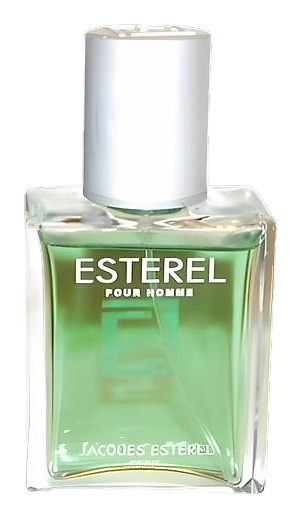
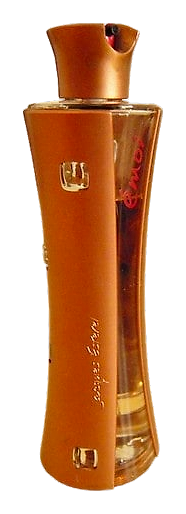
Jacques EsterelJacques Esterel is a Parisian couture name with a secondary fragrance legacy. Charles Martin, known professionally as Jacques Esterel, founded his fashion house in 1953 and developed a reputation for playful novelty dressing before turning to perfume. The house is best remembered among fragrance collectors for Brigand, a spicy chypre launched in 1962 around plum, pepper, rosemary, patchouli and musk. Other releases include Esterel, Esterel pour Homme and Emoi, extending the brand's character into both traditionally feminine and masculine compositions.
The Creator
Jacques EsterelThere is no reliable record of Esterel’s formulas, signature materials or preferred perfumery techniques. Any list of specific notes attributed to him would therefore be invention.